
How to apply for Plan Auto+ 2026 step by step: documents, deadlines, and mistakes to avoid
The Auto+ 2026 plan differs significantly from the incentives many buyers had in mind under the previous MOVES III. The application process is handled online, and although a dealer can handle the paperwork if acting as an agent, the recipient of the subsidy is the vehicle owner. Additionally, the money is not deducted from the state’s invoice but is paid later via bank transfer.
The application period for Line 1 opened on August 4, 2026, at 10:00, and applications can be submitted until December 31, 2026, at 14:00. The program has a maximum budget of 350 million euros for this line, and applications are processed in accordance with the procedures established by the Ministry of Industry and Tourism.
And here’s an important detail that should be clear from the start: buying before another user does not give any priority. The purchase date does not automatically put anyone ahead. What matters is submitting the request correctly by the deadline and meeting all requirements set forth in the program.
That’s why it’s worth preparing the documents before accessing the application. An error in a document, an invoice that doesn’t allow payment identification, or submitting provisional documents instead of the final ones can complicate the process and require corrections.
What You Need Before Starting
The process is conducted online, and the application must be submitted using advanced electronic signing. It can be filed directly by the buyer or an authorized representative, including the dealership itself, provided there is proper authorization to act on their behalf.
It’s advisable to have all documents in electronic format ready before starting. The ministry’s application system receives the file, and once the request is registered, it generates a corresponding confirmation.
You will also need a certificate proving ownership of the bank account where you want to receive the assistance. That account must be in the beneficiary’s name, and the details must match those specified in the application.
The invoice is another essential document. It must be in the beneficiary’s name, and for a new vehicle within the program’s categories, it must show the minimum discount of 1,000 euros required from the dealer when purchased during the applicable period.
There is an important exception for those who purchased before the call for applications opened. For the 2026 call, certain vehicles bought from January 1, 2026, are accepted, and in those transactions made before the call opened, the invoice may not include the 1,000 euro discount. This is a specific feature of the call that prevents those who bought before the deadline from being automatically excluded.
The process, step by step
The procedure can be summarized quite simply: buy the car, prepare the documents, complete the application, sign it and register it, wait for a decision, and receive the money via transfer.
The first step is to make the purchase in accordance with the program’s requirements. For new cars and vans included in the call for applications, the invoice must show the minimum discount required from the dealer where applicable.
Next, you need to gather all the necessary documents. These include the technical specifications sheet, vehicle registration certificate, invoice, bank ownership certificate, and proof of payments made for the vehicle.
After that, you access the Ministry’s telematic management system, fill in the buyer’s, vehicle’s, and bank account details, and attach the relevant documents. The regulations state that the application must be submitted using advanced electronic signing, either directly by the applicant or through an authorized representative.
Once the form is completed and the documentation is submitted, the request is registered. At that point, the system temporarily deducts the requested amount from the available budget and sends a confirmation to the email address provided during the process.
From there, the review of the application begins. The ministry checks whether the submitted documentation and information meet the program’s requirements, and if everything is correct, the process continues until a decision on approval is made.
The final step is payment. The assistance is disbursed via bank transfer to the account specified in the request, provided that the right to receive it is ultimately recognized.
Documents you need to prepare
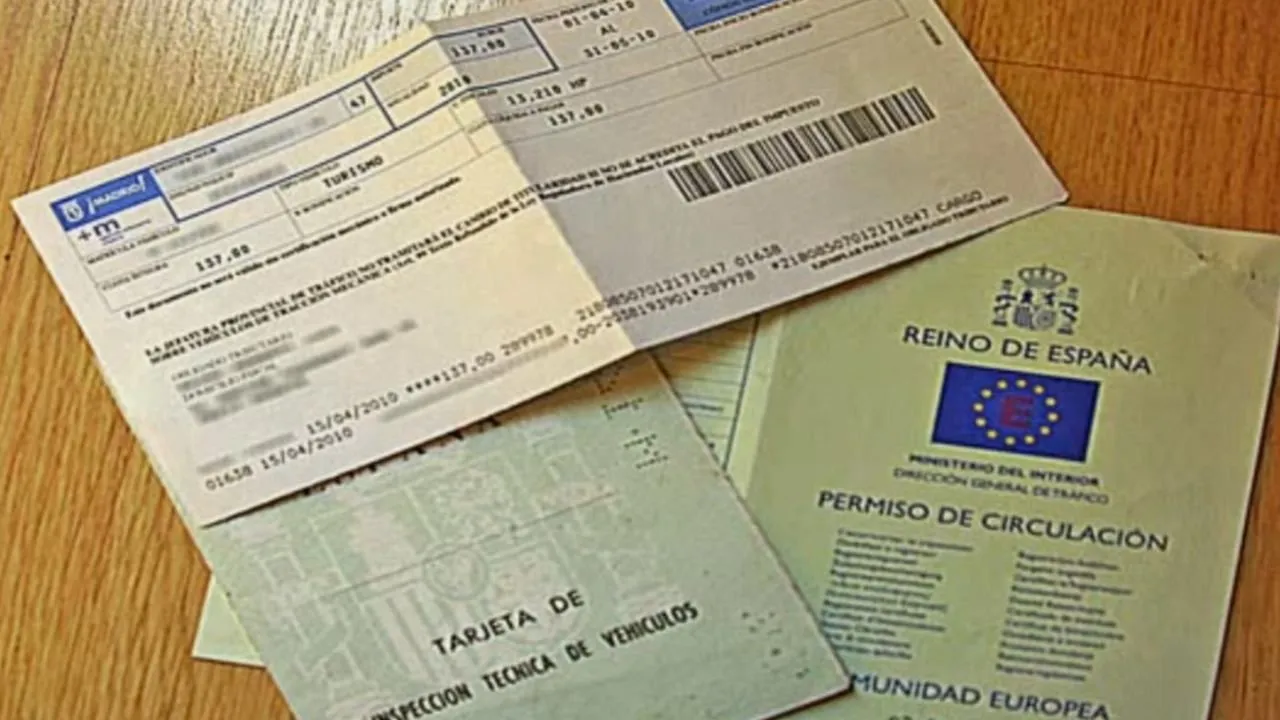
For an individual requesting assistance via Line 1, the basic documentation includes the vehicle’s final technical sheet, the final registration certificate, the bank account ownership certificate, the purchase invoice, and bank receipts for any payments made.
A power of attorney is also required when another person handles the process on behalf of the buyer. This is especially important if all arrangements are left to the dealership: just because the seller handles the application does not mean they become the beneficiary.
If the vehicle was financed in whole or in part, the documentation must also include the signed financing contract along with documents identifying the transaction, the vehicle, the amount financed, and the corresponding date.
Payment receipts require special attention. It is not sufficient to simply submit the most recent bank transaction if a reservation, advance payment, or any other partial payment was made earlier. Regulations require that payments can be properly identified and linked to the buyer, seller, date, vehicle, and amount.
Errors that could exclude you

Therefore, if you purchased the car from a dealership, it is highly recommended to keep all receipts for transfers, card payments, or other bank transactions used to cover the vehicle cost.
Another common issue may arise when only proof of the most recent payment is provided. If there was a reservation or deposit, those amounts must also be verifiable. The administration needs to be able to confirm how the payment for the entire transaction was made.
Swapping in a used vehicle also does not count as a bank payment. If you give away your car as part of the transaction, its value reduces the purchase price, but it does not replace the bank receipts required by the program to verify the payments made.
There are errors that can be corrected and others that directly affect eligibility. If a document is missing or there is some fixable defect, the Ministry may request that the applicant correct it. However, if the vehicle does not meet the requirements, the transaction falls outside the permitted period, or the essential conditions for the beneficiary are not met, submitting another document later will not resolve the issue.
The regulations set a 10-day deadline to respond to a request for correction. If the applicant does not fix the defect within that time, they may be deemed to have withdrawn their application.
In addition, there is another 10-working-day deadline to submit objections when a provisional resolution proposal is notified that the applicant disagrees with.
That is why it is especially important to review everything before clicking the registration button. In a program with a limited budget, having to correct a file later is not the ideal situation, especially when it could have been submitted correctly from the start.
What happens after receiving the assistance
Receiving the transfer does not mean that all obligations disappear. The beneficiary must retain ownership and registration of the vehicle in Spain for the period specified by the program, which in this case is two years from the grant.
If the vehicle is sold or the recipient exits before that period expires, the subsidy may be reclaimed along with any applicable interest. The regulations provide certain exceptions for specific situations, so not all cases are treated exactly the same way.
In addition, the authorities may conduct follow-up checks. The program itself includes controls to verify that the transaction actually took place and that the conditions that qualified the applicant for the subsidy are still met.
Therefore, it is recommended to keep the invoice, bank statements, vehicle documentation, approval decision, and all other documents related to the subsidy throughout this period.
If you bought the car before the deadline
This is probably one of the situations that can cause the most confusion during 2026. The fact that you bought the car before August 4th does not automatically mean you are excluded.
The transitional provision of Royal Decree 609/2026 allows certain new vehicles registered for the first time in the beneficiary’s name starting from January 1, 2026, to be eligible for subsidies for the 2026 call, provided they meet all other conditions.
In addition, purchases made before the call for applications opens have an important feature: they may be exempt from requiring a minimum discount of 1,000 euros on the invoice, which is mandatory for transactions made during the corresponding period.
That said, the other requirements remain important. It is necessary to prove the purchase, ownership, final vehicle documentation, and all payments made.
And here another key point arises: buying the car in January does not mean having priority over someone who bought it in July. What determines the order of submission is the registration date of the application, not when the vehicle was purchased.
Before clicking “register”
Before submitting the application, it’s advisable to do a final check. Have ready the final technical sheet, the final vehicle registration permit, the bank account ownership certificate, the invoice, and proof of all payments made. If financing is involved, include the contract and related documentation; if someone else is handling the process, ensure the power of attorney is properly filled out.
It’s also important to verify that the documents actually match the information entered in the form. Regulations require that the uploaded documentation correspond to the contents of the application fields, and while certain errors can be corrected, not all data can be amended later in the same way.
Finally, before starting the entire process, it’s advisable to check that the model chosen appears among the eligible vehicles for the Auto+ Program. Just because it’s an electric or hybrid car doesn’t mean every version or model is eligible for the subsidy.
In short, the idea is simple: prepare the documents first, then verify that all details match, and finally submit the application. The Auto+ Plan isn’t particularly complicated if you approach it with all the necessary paperwork ready, but some seemingly small errors can require correcting the application or even disqualify a purchase that initially met the requirements.
