
How electric vehicles can save Europe 10 billion
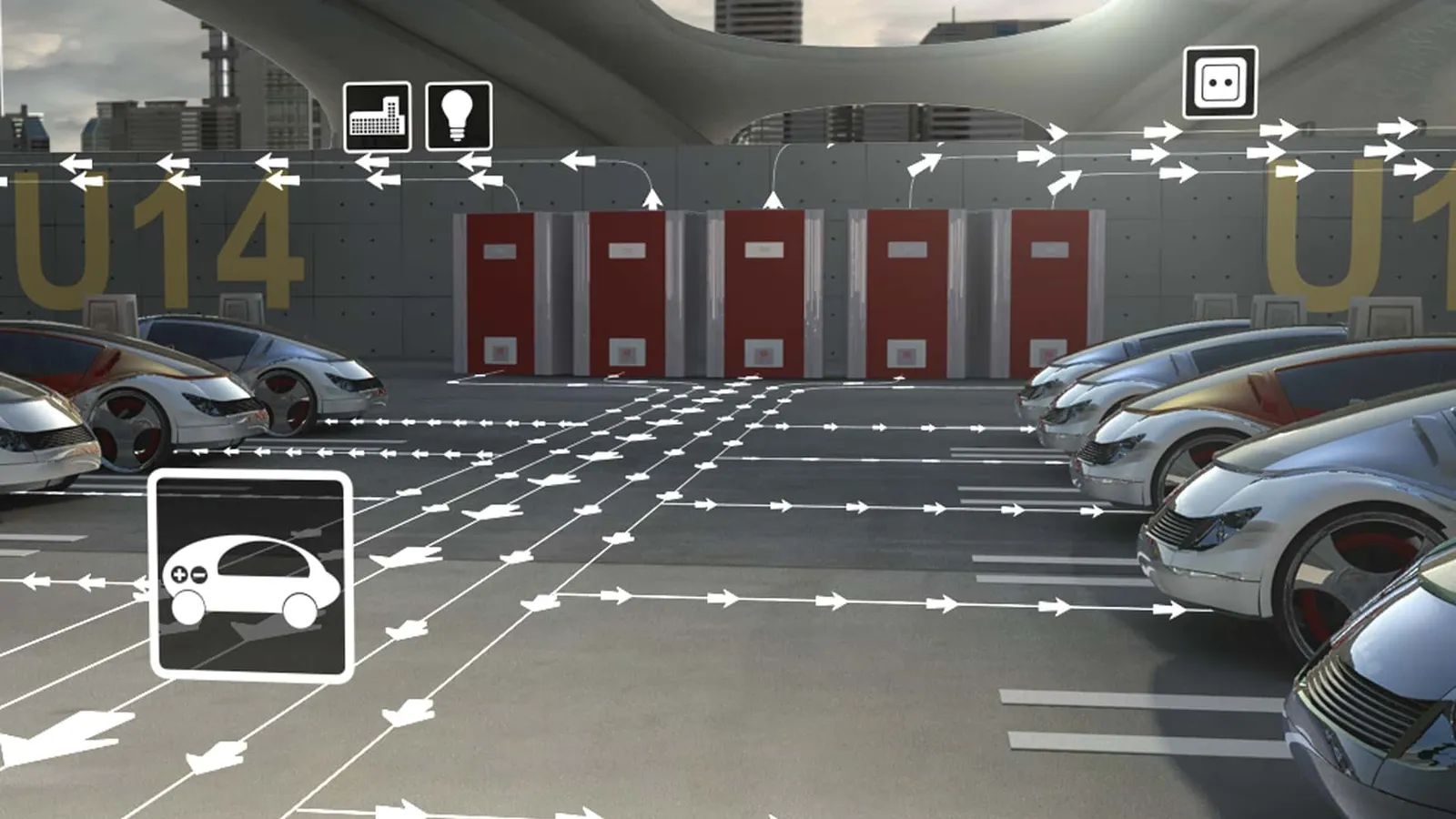
The spread of electric vehicles is set to put increasing pressure on energy distribution networks, but it could also help make upgrading them less costly. According to a study conducted by Siemens on behalf of ACEA, the European association of automobile manufacturers, EIT Urban Mobility, and ChargeUp Europe — recently cited by Reuters — the key to reversing this trend lies in smart charging.
The study reveals that in Europe, proper application of this technology could save 10.6 billion euros by 2030, significantly reducing investments needed to support the growth of electric mobility. Here’s how.
From 24.7 to 14.1 billion euros
The study, titled "Electricity Grids in Europe," examines 64 urban centers in 30 European countries selected based on the projected growth of electric cars and light commercial vehicles, charging habits, and the capacity of distribution networks. According to projections, by 2030 the number of battery electric vehicles in the analyzed cities will be on average 3.8 times higher than current levels, necessitating improvements to electrical infrastructure.
Without interventions in demand management, the necessary investments would amount to about 24.7 billion euros. By introducing intelligent charging control systems, however, this figure could drop to 14.1 billion, representing a reduction of around 43%. This does not mean that networks can do without new investments; in fact, all the cities considered will need upgrades. But more efficient energy management would allow the scale of these investments to be limited.
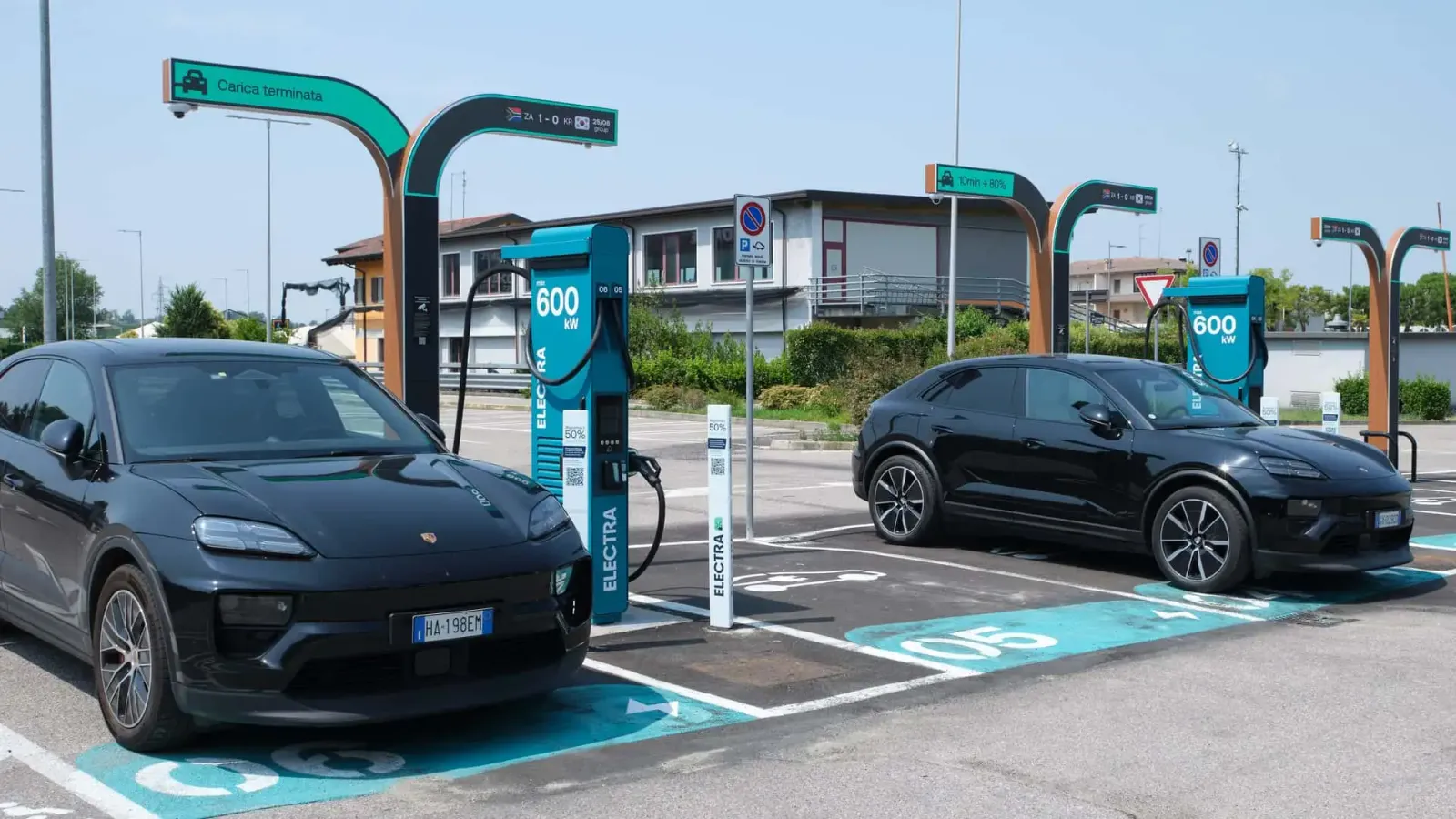
The Electra charging network
Photo by: Electra
The secret? Choosing the right time to charge
The principle behind smart charging is relatively simple: preventing too many cars from drawing power at the same time, especially during periods when electricity demand is already high. This can be achieved through smart meters, communication systems, and management software, allowing charging power to be adjusted based on grid availability and prioritizing less congested times of day.
A car connected to a home wallbox, for example, doesn’t necessarily need to start charging at full power as soon as the owner returns from work. If the vehicle only needs to be ready the next morning, the system can spread out the charging over nighttime hours, when electricity demand is generally lower.
This is the principle of EV Load Management, which allows for better utilization of the existing capacity in infrastructure without necessarily increasing grid capacity to handle all possible consumption peaks. The study highlights especially the role of low-voltage grids, those used for local electricity distribution: it is at this level that 77.7% of the investments planned for physical upgrades are expected to be concentrated.
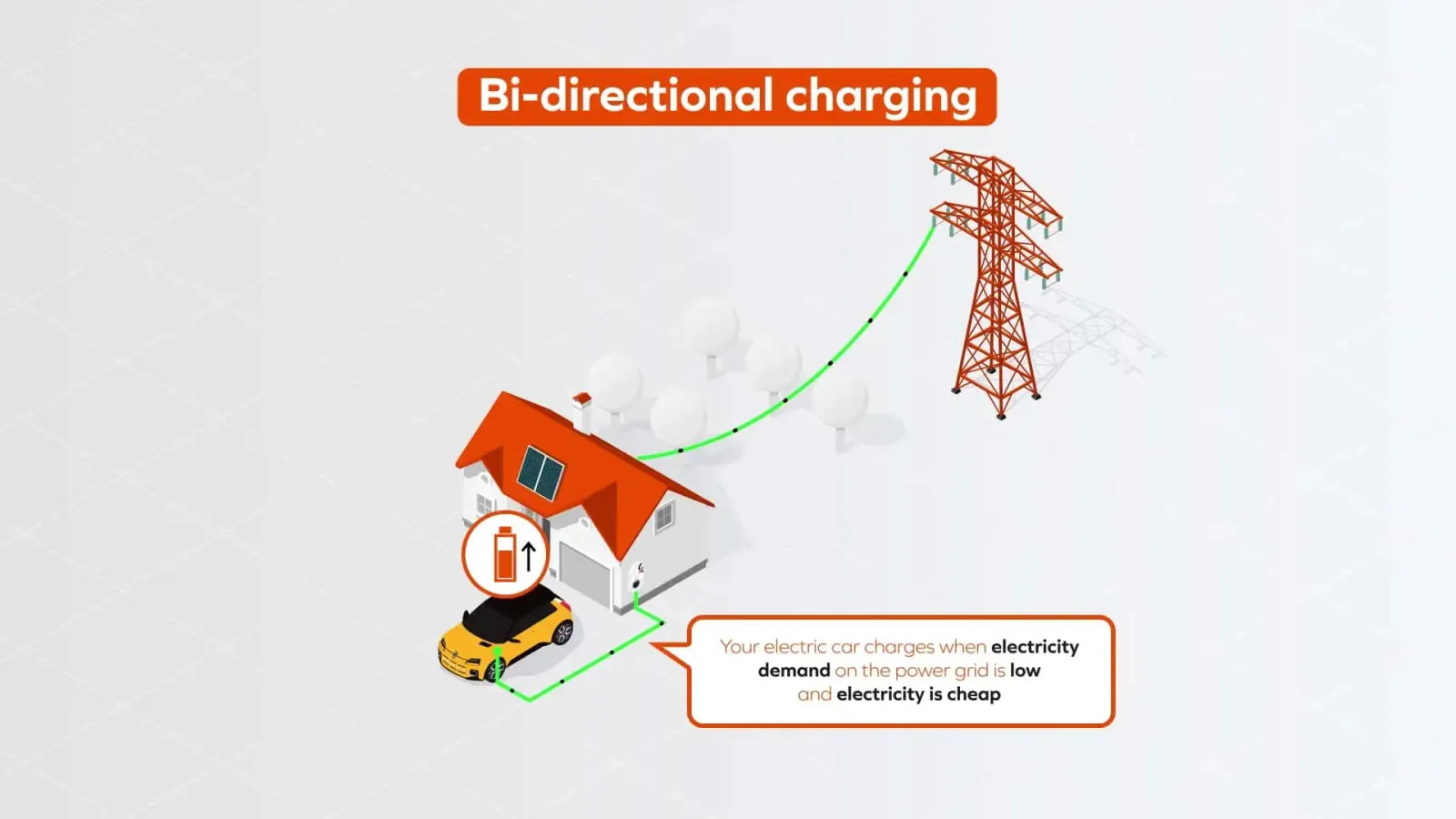
The Mobilize V2G service for the Renault 5
What about in Italy?
Siemens' forecasts seem to confirm that significant differences already existing among various European markets will persist for some time. By 2030, battery electric vehicles could account for 27.3% of the vehicle fleet in Sweden and 15.7% in Germany, while Italy's estimated share remains below 5%, at 4.6% precisely. This still does not eliminate the need to prepare the infrastructure. Even in our country, the growth of electric vehicles will require upgrades to local grids, especially in residential areas and workplaces.
According to the model used in the study, in the representative cities considered, between 55% and 62% of electric vehicle owners could have a home charging station by 2030. This is an estimate based on housing characteristics and the expected spread of electric vehicles, not a percentage valid across all of Europe. The ability to schedule and adjust home charging thus becomes one of the most important tools for reducing pressure on distribution networks.
Benefits for drivers
The savings estimated by Siemens relate to infrastructure investments and do not automatically translate into lower utility bills or charging rates. However, a more flexible management of demand could also benefit drivers, especially if it is accompanied by electricity prices that encourage consumption during less congested hours. In fact, this is one of the directions suggested by the European Commission, which aims to promote more predictable and affordable prices during periods of lower demand.
Charging infrastructure, developments, and challenges