
How do batteries age? Aviloo presents a comprehensive study on 500,000 used vehicles and…

The batteries in used electric cars degrade over time, but there is no single standard value that applies to all of them. An analysis conducted by Aviloo on over 500,000 tests revealed significant differences not only between different models but also among identical vehicles with similar mileage. This fact makes independent battery testing an increasingly important factor before purchasing a used electric car.
500,000 batteries and 20 models analyzed
This information comes from Aviloo, an Austrian company specializing in assessing the condition of EV batteries using its Flash Test. The company works with dealers, used car sellers, and leasing companies, and has utilized the data collected to develop the new Aviloo Certified EV Battery Report, which is scheduled to be updated twice a year.
The analysis considers over 500,000 tests conducted globally and examines 20 particularly common electric vehicle models. For each model, the median State of Health (SoH) values at 50,000, 100,000, and 150,000 kilometers are compared.
SoH indicates how much of the battery’s capacity remains relative to its capacity when the battery was new. It is a particularly important parameter for used electric vehicles because the remaining capacity directly affects range and, consequently, the vehicle’s value.
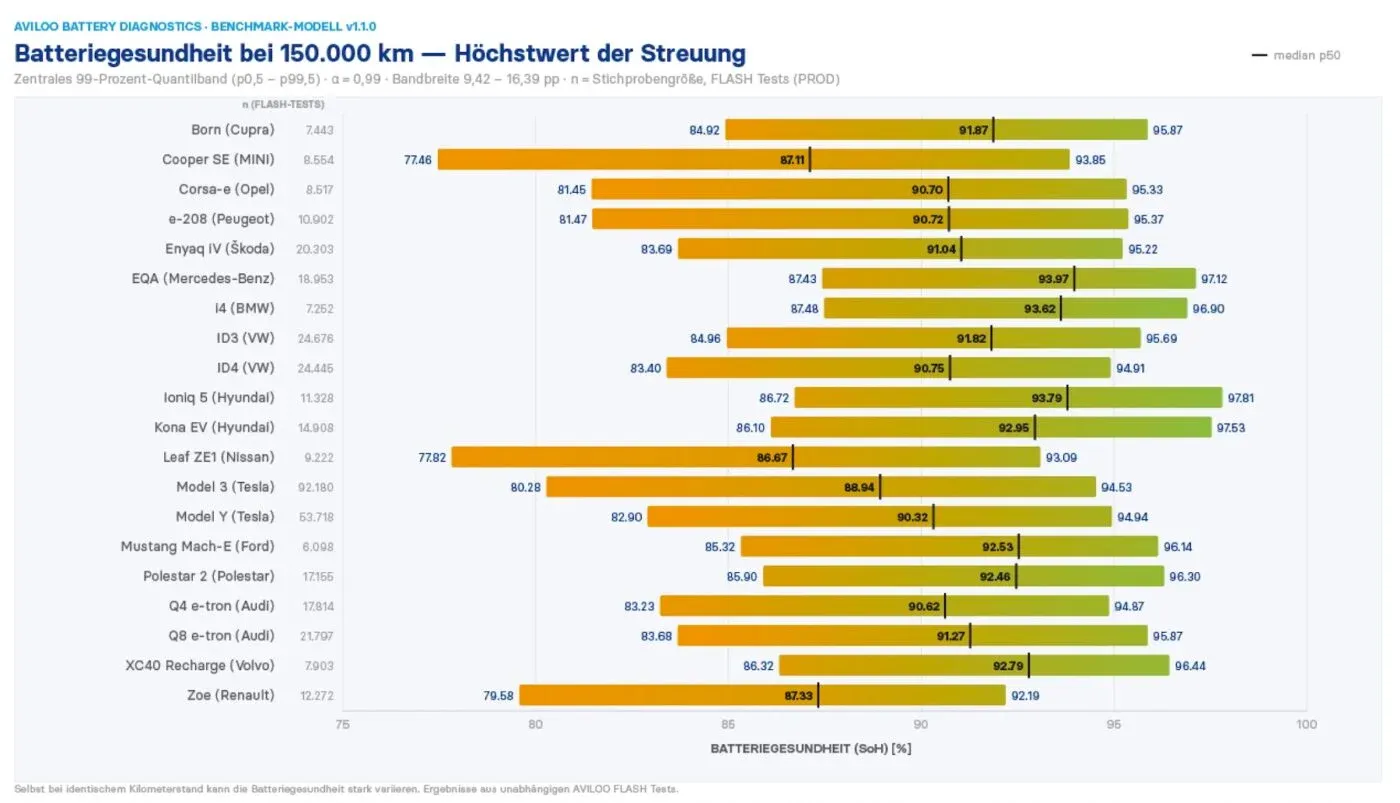
Battery health: still very high at 150,000 kilometers
The results challenge the notion that electric vehicle batteries degrade rapidly. According to Aviloo’s data, 16 out of the 20 models analyzed maintain an average SoH of at least 90% after 150,000 km. The other four models fall between 85% and 90%.
In all cases, therefore, the average value remains significantly above the 70% threshold commonly used by manufacturers as a reference for battery warranties, which are often tied to eight years or 160,000 km.
However, this does not mean that purchasing any electric vehicle with 150,000 km on it automatically guarantees a certain range.
What should never be missing in an electric car? Here is the checklist.
Differences between individual vehicles
This is where the analysis becomes more interesting for the used car market. Averages can hide significant differences between vehicles of the same model.
An example is the Hyundai Ioniq 5 with a 72.6 kWh battery. At 150,000 km, the average SoH value detected by Aviloo is 92.8%, corresponding to approximately 319 km of range. However, among the individual vehicles analyzed, the difference in battery health exceeds 12%.
In more concrete terms, vehicles with the same model and similar mileage can have a range difference of over 40 km. For those buying a used car, it’s not enough to know just the mileage or model number—the actual condition of the battery also matters.
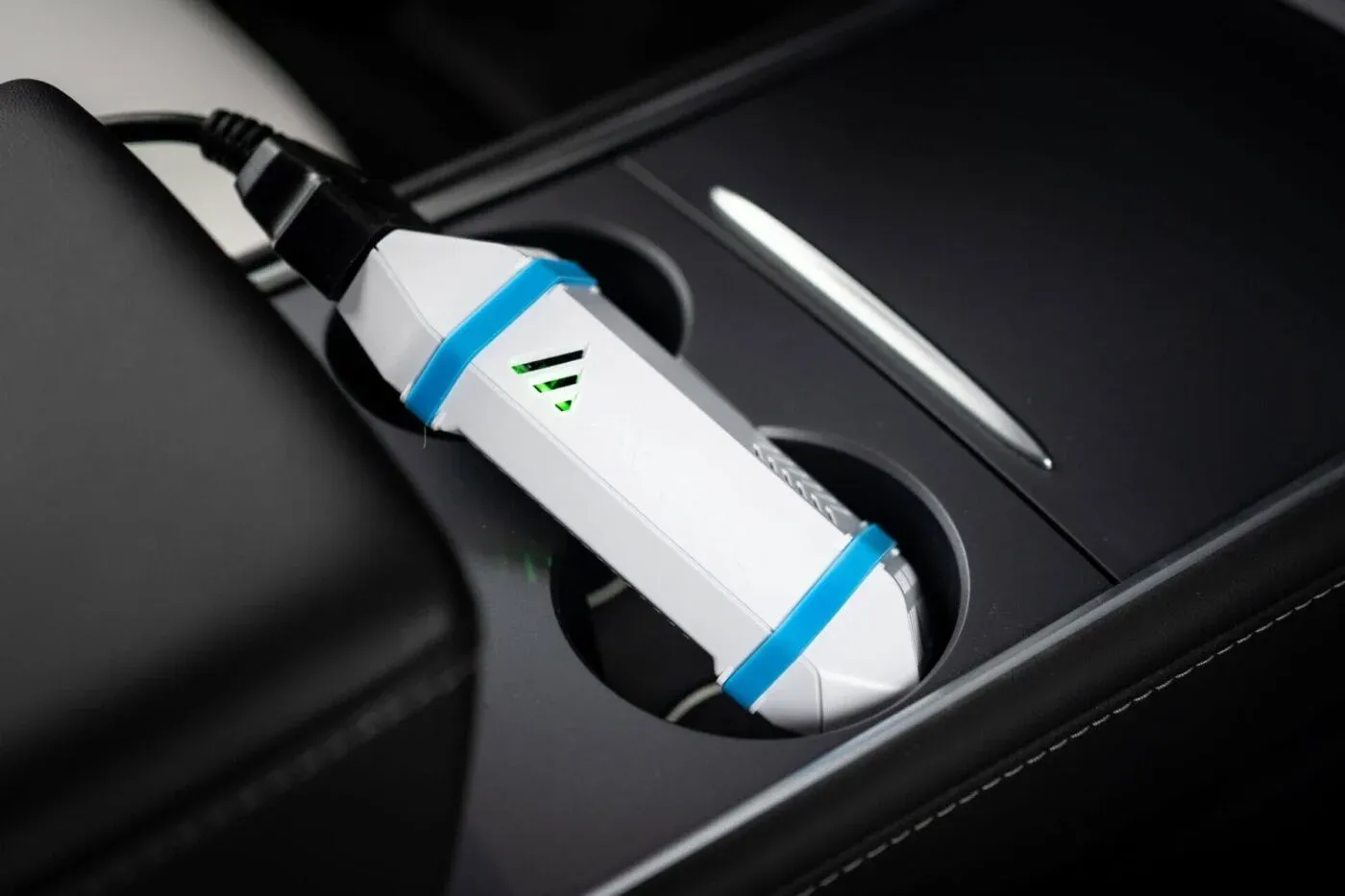
Miles and model don’t tell the whole story
The analysis identifies three trends. As expected, the average SoH decreases as mileage increases, but at the same time, the variation among individual vehicles tends to grow.
There are also fairly noticeable differences between various models across the three mileage levels considered. This suggests that degradation depends not solely on the distance traveled, but on how each battery and vehicle has experienced its usage cycle.
For those buying a used electric vehicle, checking the battery can be as important as examining the engine, transmission, and maintenance history when purchasing a conventional car.
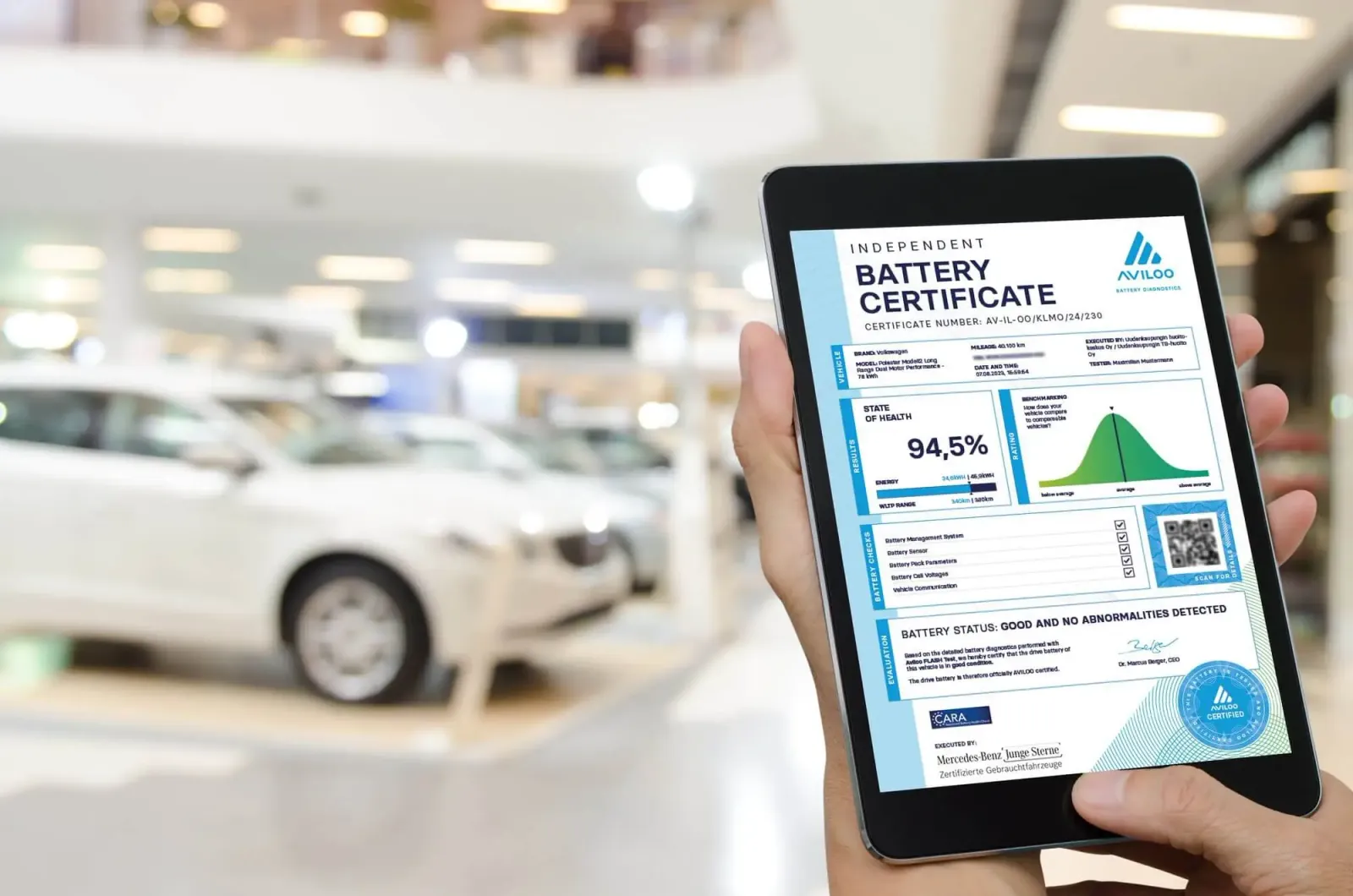
An independent test can reduce uncertainty
Aviloo also highlights another point: the battery status indicator shown by the vehicle is not necessarily sufficient to accurately assess its remaining capacity. This is why the company recommends conducting an independent test before purchasing.
Naturally, the fact that Aviloo sells exactly this type of service is a factor to consider when interpreting the results: the company has a direct commercial interest in the battery testing market. Therefore, the numbers are particularly interesting due to the size of the sample and the variability they show, but they should not be interpreted as a universal certification of every battery’s quality.
The practical conclusion for those looking for a used electric vehicle is quite simple: mileage, age, and model are not enough to assess the battery. An independent SoH check can provide valuable additional information before deciding whether to buy the car and, most importantly, how much to pay for it.
READ ALSO: What damages a battery? Too many “wrong” charges and watch the VIDEO
Previous Article
The ID.Buzz camper version shown in person
Next Article
What electric car should I buy for 45,000 euros?