
Imports of European electric cars to China collapse: down 99% since 2023
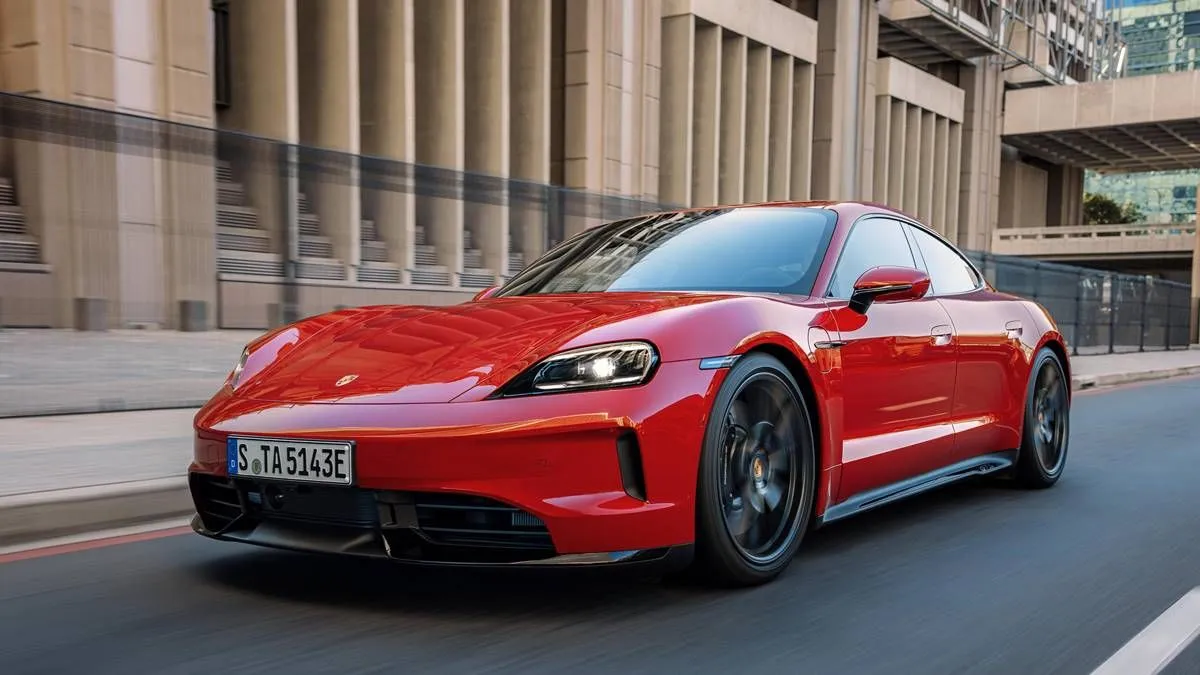
The Chinese electric vehicle market is undergoing a transformation that presents a stark reality for European manufacturers. Last July, China imported just 125 electric vehicles, a figure equivalent to slightly over four units per day and representing the lowest level ever recorded.
The decline is even more striking when compared to what was happening just a few years ago. Electric vehicle imports peaked in 2023 at 30,124 units, but have since continued to fall. In 2024, the figure was 16,768 units, and according to data from the China Passenger Car Association (CPCA), only 3,475 electric vehicles were imported in the first seven months of 2026.
In relative terms, the decline is even more severe. The 125 units imported in July represent a 99% drop from the peak reached in 2023. Most importantly, it doesn’t seem to be a one-time phenomenon or a result of new trade restrictions, but rather a structural change within the Chinese market itself.
European manufacturers are producing more and more in China, but they’re not having it easy there either.
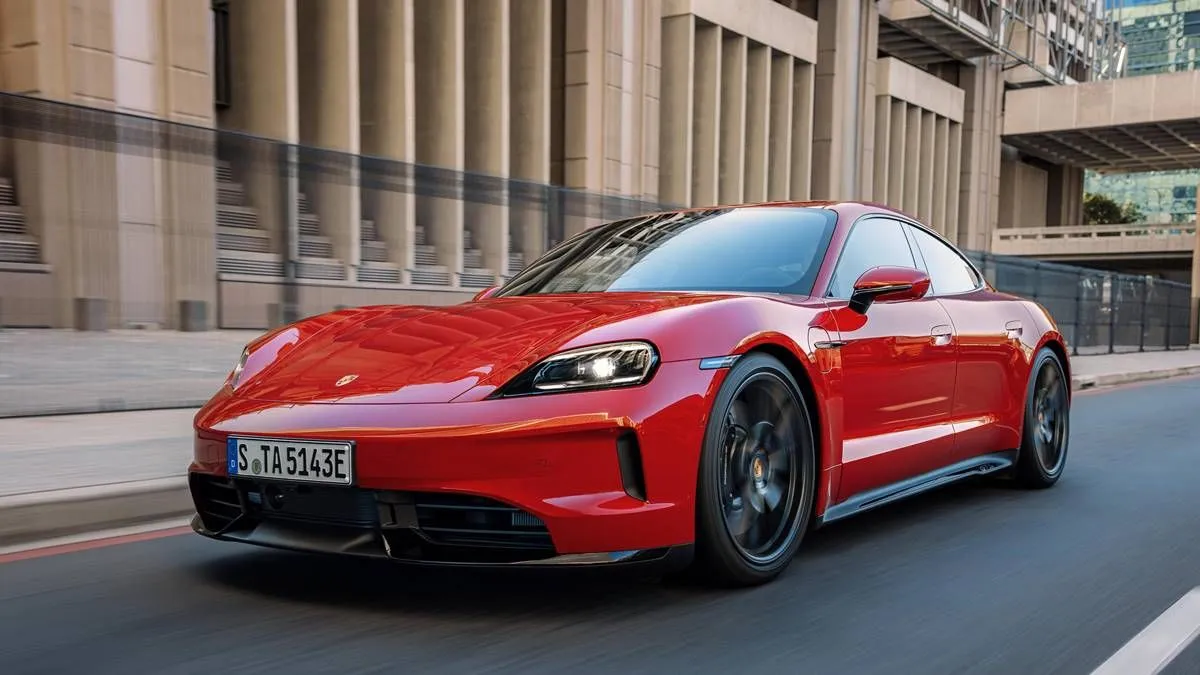
For years, European luxury brands found China to be one of their most important markets, and in some cases relied on imports to sell their most exclusive models there. Among the electric cars that still come from Europe are models such as the Porsche Taycan and the Mercedes-Benz EQS, both manufactured in Germany.
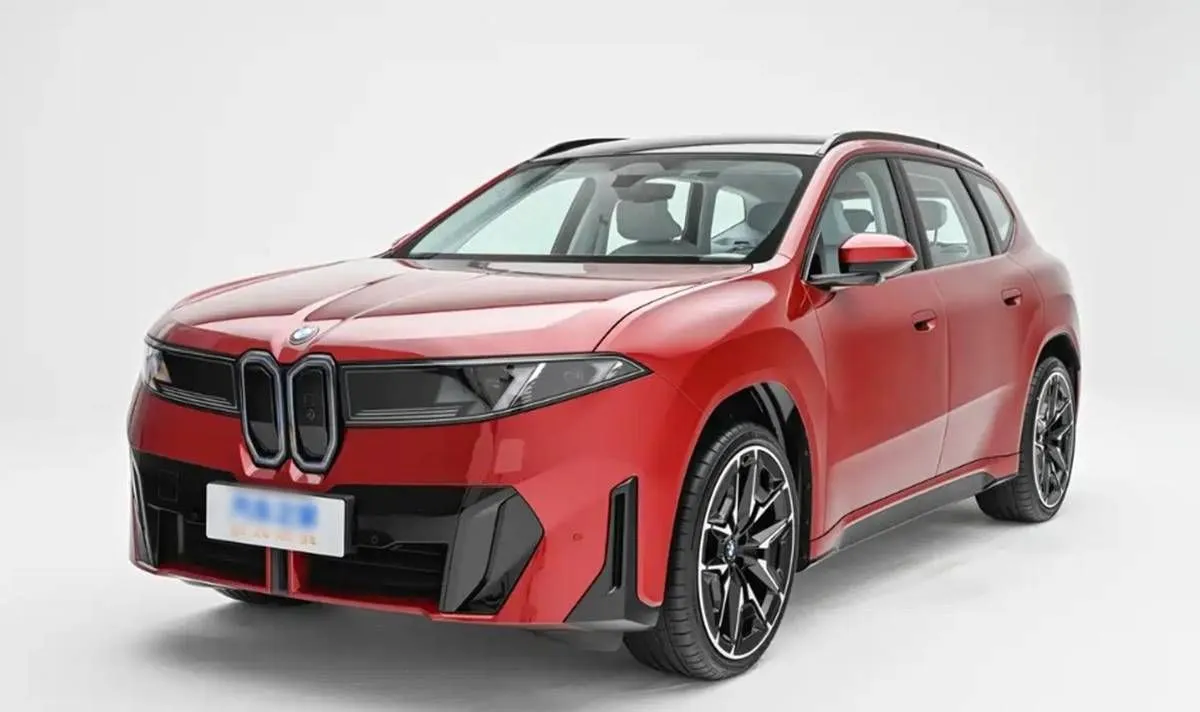
However, that situation has changed rapidly. International manufacturers have gradually shifted production destined for the Chinese market to their own local factories. BMW’s case is particularly significant: it now produces all its electric cars for that market in China, virtually eliminating the need for imports.
But even local production does not guarantee that German brands are in a comfortable position now. European manufacturers’ production in China is also reaching minimum levels due to a complex mix of factors: weaker demand and, above all, increasingly fierce competition from Chinese manufacturers.
This phenomenon is not limited to electric cars alone. Plug-in hybrids have also experienced a similar decline. Imports of these models reached 24,613 units in 2022, while only 1,272 units were imported from abroad in the first seven months of 2026.
When combining electric cars and plug-in hybrids, China imported 2,977 new energy vehicles in the first seven months of the year. This figure represents just 1.2% of the 241,532 passenger cars imported by the country during that period.
To put this figure in context, one need only look at domestic sales. In July alone, Chinese consumers purchased 15.61 million new energy vehicles. In other words, all imports over the first seven months of the year combined account for approximately 0.2% of the new energy vehicle sales recorded in just one month.
This situation also explains why imported European models are gaining less market share in China. Chinese buyers now have an enormous selection of locally produced electric cars, with models covering almost every segment and increasingly equipped with advanced technology.
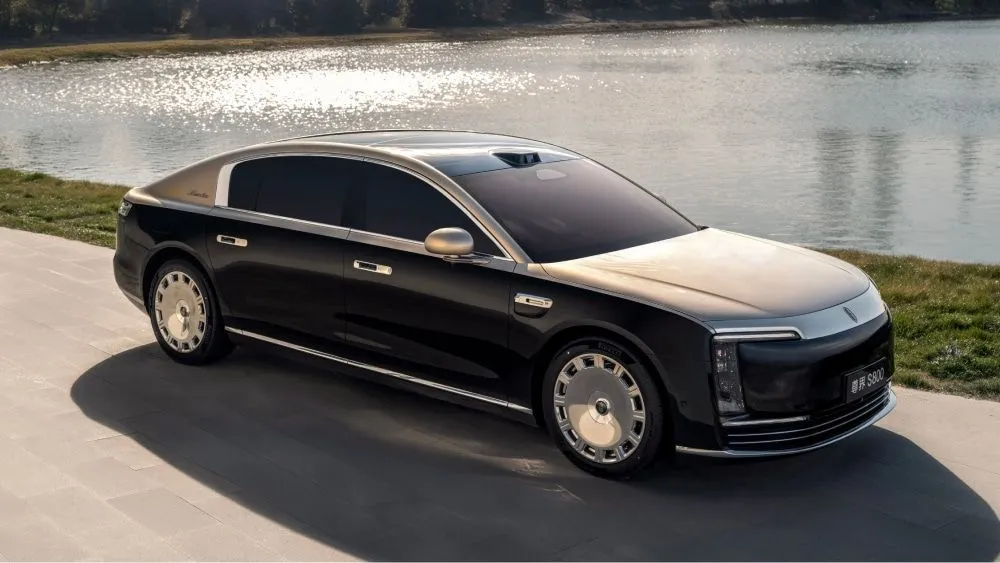
In the luxury market, where European brands historically held a much stronger position, the situation is not what it was a few years ago. Manufacturers like BYD have created dedicated brands to compete in the highest end of the market, while new models such as the Maextro S800 aim to directly challenge European sedans and luxury vehicles.
The example of the Porsche Taycan is revealing. CPCA data does not break down sales by imported model, but the Chinese media outlet Gasgoo reports that Porsche delivered 372 Taycans in China during the first quarter. This translates to roughly four units per day, a figure that is almost on par with the total imports of electric cars in July.
And this is likely the key to the entire process. China no longer needs to import European electric cars because it can manufacture them within its own borders, through both local manufacturers and the facilities of international brands themselves.
For European manufacturers, this change represents a much bigger problem than just a decline in exports. For years, China has been one of the major drivers of growth for Western luxury brands and a market where imported models could command high prices. Now, however, Chinese manufacturers are rapidly rising in status and competing in segments that once seemed reserved for Mercedes-Benz, BMW, Audi, or Porsche.
All indications suggest that imports will continue to lose ground. Electric cars imported from abroad now account for less than 0.2% of China’s monthly electric car sales, and pressure will keep rising as local brands expand their offerings into increasingly expensive segments.
Opinion:
The worst part is that, little by little, this dominance is spreading to Europe, where local conglomerates have rolled out the red carpet for Chinese brands due to their short-sightedness in meeting market demands, as well as because of product lines designed half-heartedly by old-school executives who dislike electric cars. Additionally, resources are being wasted on overturning Europe’s emission standards instead of focusing those efforts on improving their own cars.
One botched move after another, culminating in tariffs that forced China to take the decisive step earlier than expected by opening factories on our soil. This will give them a significant advantage through savings in logistics and tariff costs, as well as allowing them to add the “made in Europe” label to their cars.