
Every third new car in Europe is now electric. A 70 percent increase and a record-breaking September for BEVs
In short:
Electromobility in Europe is doing well
Registrations of electric cars rose by over 70 percent year-on-year in September
The market share of electric vehicles in the ninth month of the year exceeded 32 percent
France and Germany want to relax some EU emission requirements
Electromobility is accelerating in Europe
The electric vehicle market is performing better and better. According to data published by organizations E-Mobility Europe, New Automotive, and Fier Automotive, 300,202 battery-powered cars were registered in 17 key markets on the Old Continent in September 2026, which is 70.3 percent more than the previous year. This means that electric cars accounted for 32.6 percent of all new registrations in the passenger car segment.
Data cited by Reuters also shows that since the beginning of this year, 1.98 million new electric cars have been registered in Europe, representing a 38.1 percent increase compared to the same period last year. According to the agency, high fuel prices, financial support programs, and an increasingly wider range of more affordable electric models are driving the rising demand.
Transformation, but what kind?
The September figures came just a few days after France and Germany announced a joint position on the future of Europe’s automotive industry. Paris and Berlin advocated for greater flexibility in achieving EU climate goals, arguing that the transition must also consider industry competitiveness and job protection.
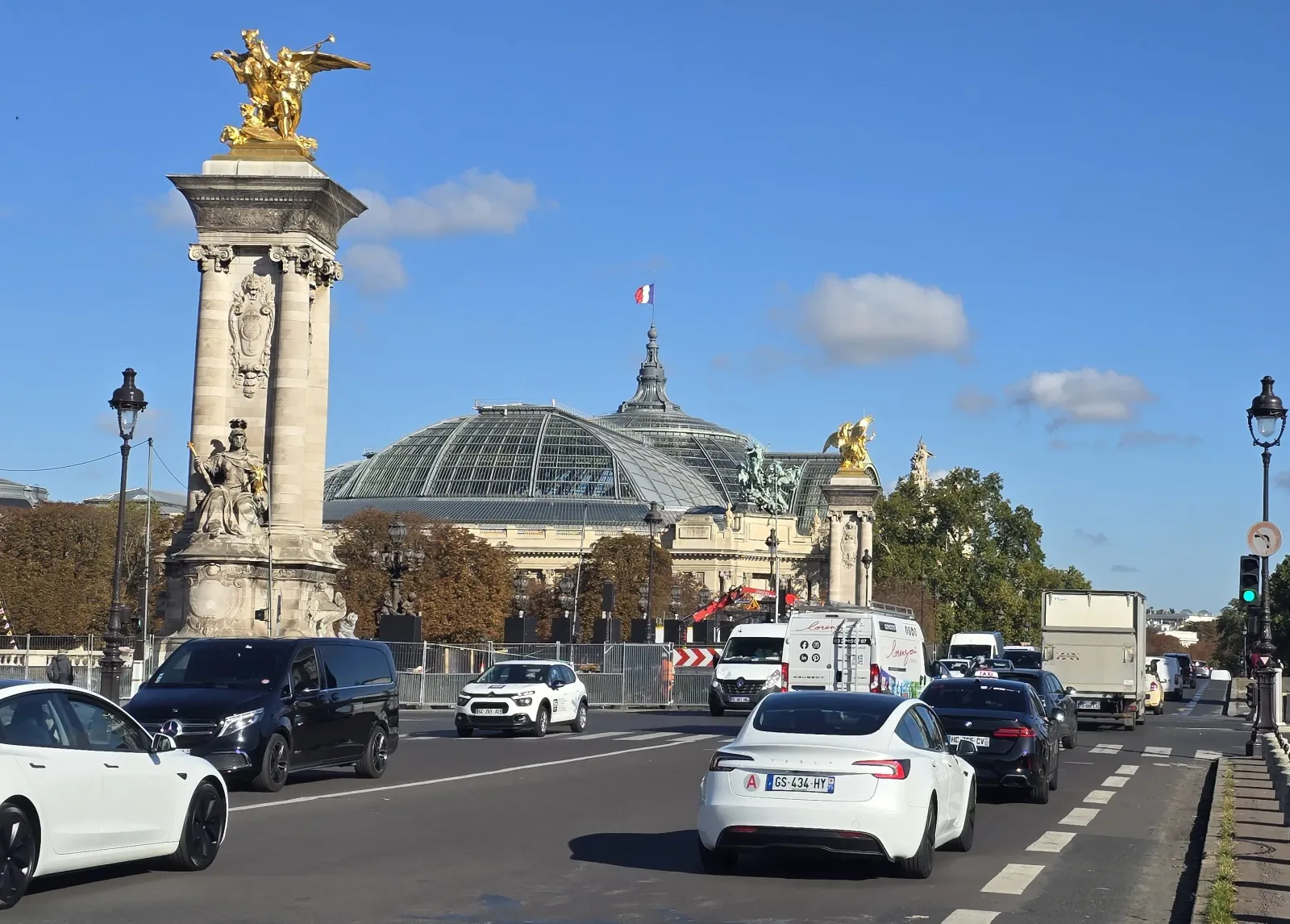
Germany remains Europe’s largest market for electric vehicles. In September, 88,724 battery-powered cars were registered there, accounting for 34.6% of the new car market. In France, the share of BEVs was even higher at 41.7%, with 65,243 registrations.
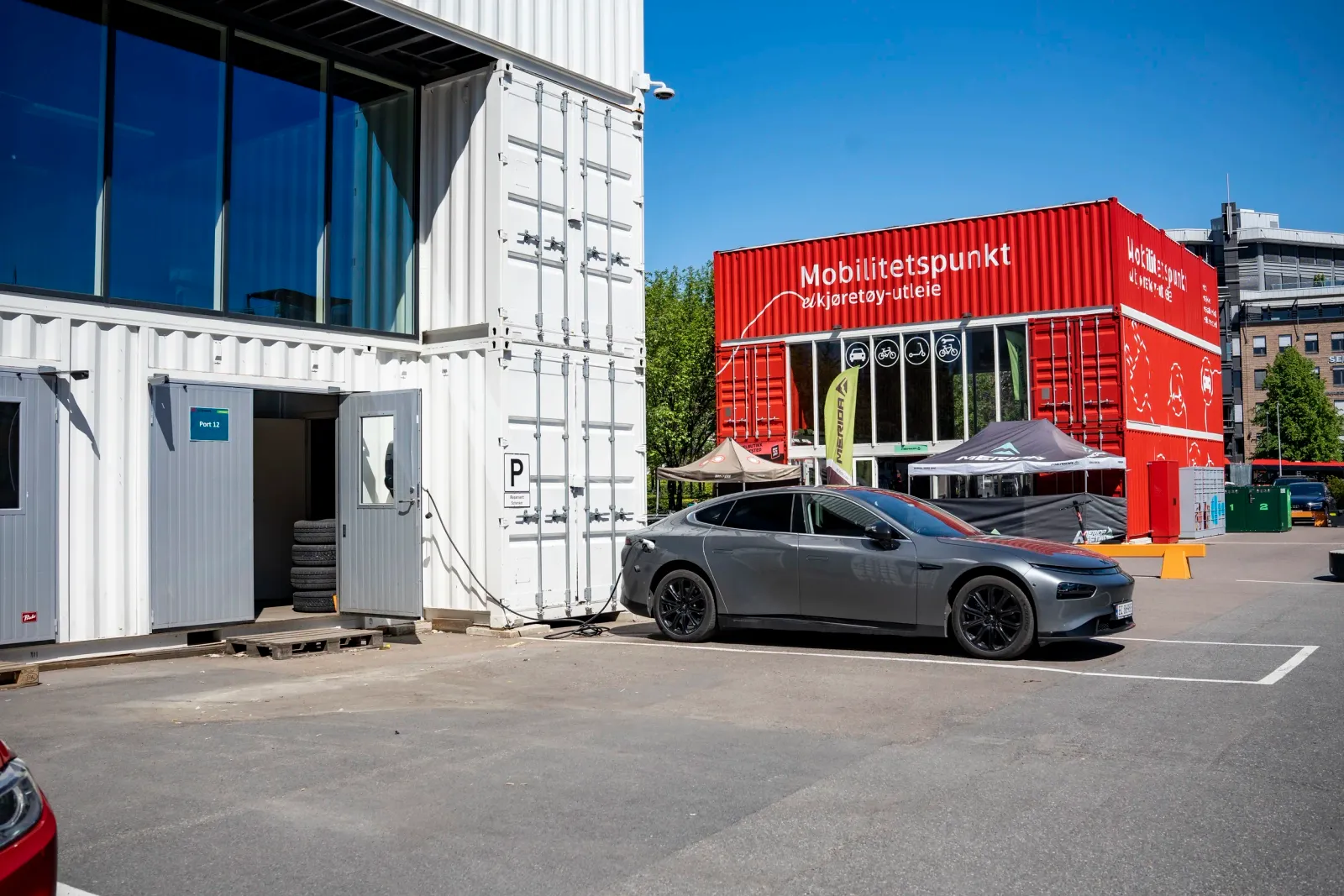
The results for Nordic countries are even more impressive. Norway has consistently remained Europe’s most electrified market, with electric cars accounting for 98.8% of all new registrations. In Denmark, this figure was 88.8%, in Finland it was 62.7%, and in Sweden it was 49%. New electric cars also accounted for about half of the market in Belgium, the Netherlands, Ireland, and Portugal.
Significant disparities in Europe
The map of electric mobility in Europe remains highly uneven. As EU Today notes, the differences between various countries illustrate how difficult it is to establish a single pace of transformation for the entire continent. Among the least electrified markets are the Czech Republic, with BEV share at 11.2 percent, Italy at 7.6 percent, and Poland, where electric cars accounted for only 6.2 percent of new registrations.
The authors of the EU Today analysis emphasize that factors influencing the pace of electrification include differences in household incomes, availability of financial incentives, vehicle prices, and development of charging infrastructure. The availability of cheaper electric models is particularly important in markets where consumers are more price-sensitive.

The rising sales of BEVs coincide with discussions about the future of European emission regulations. In a joint statement released on October 16, the governments of France and Germany argued that “emission reductions must be linked to industry competitiveness, investment, and European manufacturing capabilities.” According to EU Today, the proposed changes are intended to give manufacturers greater flexibility during the transition period while strengthening the position of vehicles produced in Europe.
Changes to the schedule will slow progress
The dispute, however, is not solely about the emission limits themselves. Underlying these issues are concerns regarding battery production, access to raw materials, manufacturing costs, and increasing competition from Chinese manufacturers. Supporters of maintaining the current transition timeline argue that relaxing requirements could undermine investment in electromobility at a time when demand is accelerating significantly.
What are the conclusions? Basically two. The first is that statistics show electric vehicles gaining market share in Europe faster than anticipated. The second is that the data also confirm that Europe is still developing at two different speeds, with Nordic countries already being virtually fully electric markets, while Poland and some Central European countries are just beginning their journey toward greater transportation electrification.
Oskar Włostowski