
One in six new Mercedes cars was electric. Orders in Europe are already expected by 2027.
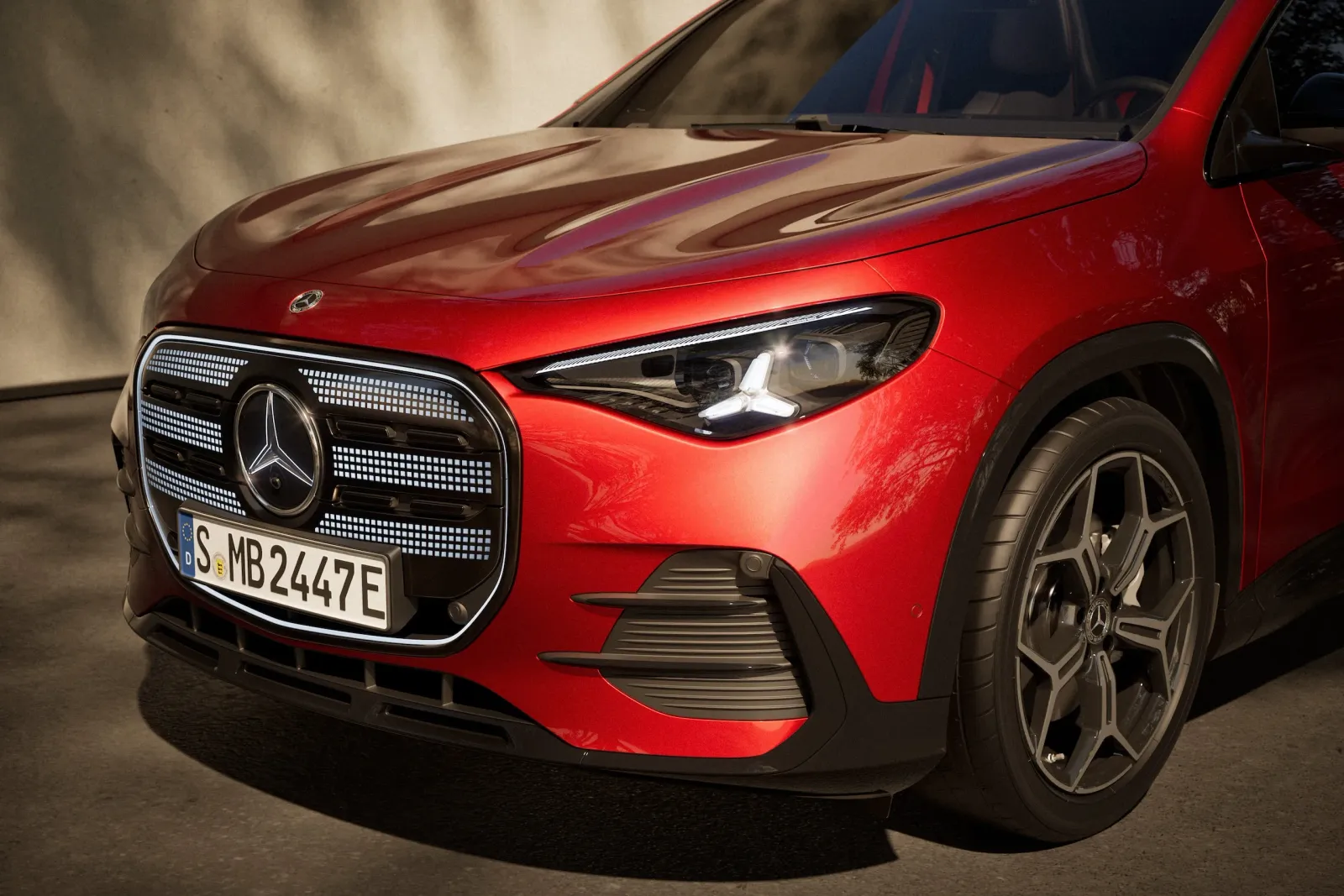
Mercedes-Benz released its sales figures for the third quarter of 2026 on October 8. The company delivered 78,100 electric vehicles, 52% more than the previous year, although its overall sales volume continued to decline. The strongest growth was seen in Europe, where nearly one in three new Mercedes passenger cars were battery-powered models.
From July to September, the Mercedes-Benz Group sold 491,700 passenger and commercial vehicles worldwide. This figure was 6% lower than the previous year. Electric vehicles, however, showed the opposite trend: their sales increased by 52% on a year-over-year basis and by 24% compared to the second quarter.
In the passenger car segment alone, Mercedes delivered 407,200 vehicles, 8% fewer than the previous year. Of this total, 68,400 were electric models, representing a 61% year-on-year increase and a 29% rise from the previous quarter. The share of BEVs in Mercedes’ global passenger car sales reached a record 16.8%. It was 9.6% the year before.
One in four Mercedeses had a charging port, but not all were electric
Including plug-in hybrids, vehicles with the ability to charge externally accounted for 25% of Mercedes-Benz Cars’ sales. The phrase “one in four Mercedeses had a charging port” sounds impressive but requires clarification. The manufacturer includes in this group both fully electric cars and PHEVs that still have an internal combustion engine.
The share of pure BEVs is much clearer. Globally, it was one car per six, while in Europe it was almost one per three. Sales of electric Mercedes vehicles in the European market increased by 78% year-on-year and by 24% compared to the second quarter.
The electric GLC, CLA, and GLB contributed the most to this result. Sales of the GLC more than tripled compared to the previous quarter, while the CLA improved performance by 24%. This second model also entered new markets, including the US and Japan.
Mercedes claims that the electric versions of the GLC, CLA, GLB, and GLA are sold out in Europe through the end of 2026, with some orders not being fulfilled until 2027. The factories in Bremen, Rastatt, and Kecskemét operate on a three-shift system. This indicates strong demand, though without information on production capacity, it’s unclear how much of the backlog stems from model popularity and how much from limited supply.
Europe is growing, China is dragging down results
The strong performance of electric vehicles doesn’t change Mercedes’ biggest problem. In China, the company sold only 86,800 cars in the third quarter, 31% less than a year earlier. The decline in the world’s largest automotive market accounts for a significant portion of the brand’s overall performance deterioration.
In Europe, sales of all Mercedes vehicles rose by 5%, while in Germany they increased by 13%. North America ended the quarter with a 4% increase. Sources differ in their estimates for total sales outside China. Mercedes is cited as having a 1% increase, while another source reports a 6% rise. Without the full set of regional data, it’s impossible to determine the exact figure.
Electric vans grew more slowly than passenger cars. Mercedes sold 9,700 eVans, 12% more than the previous year. They accounted for about 11% of the company’s global van sales, with that figure reaching 15% in Europe.
The next test will be the electric Class C, which is available for ordering in Europe starting in May. Mercedes predicts continued strong growth in BEV sales by 2026. For now, the facts remain: electric vehicles are growing rapidly, but not yet fast enough to offset the brand’s decline in China.
LovEV Newsletter
Want more content like this?
Sign up — we’ll send you a weekly summary once the newsletter starts.