
CLEPA Survey: Only a few plan to buy an electric car
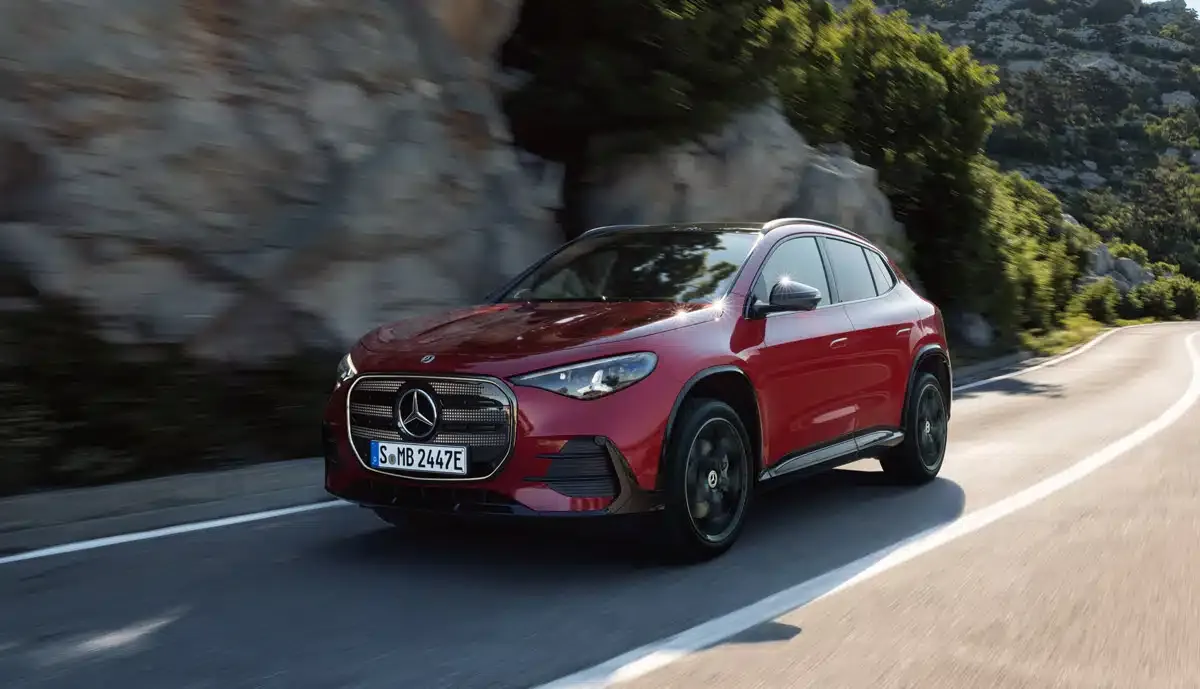
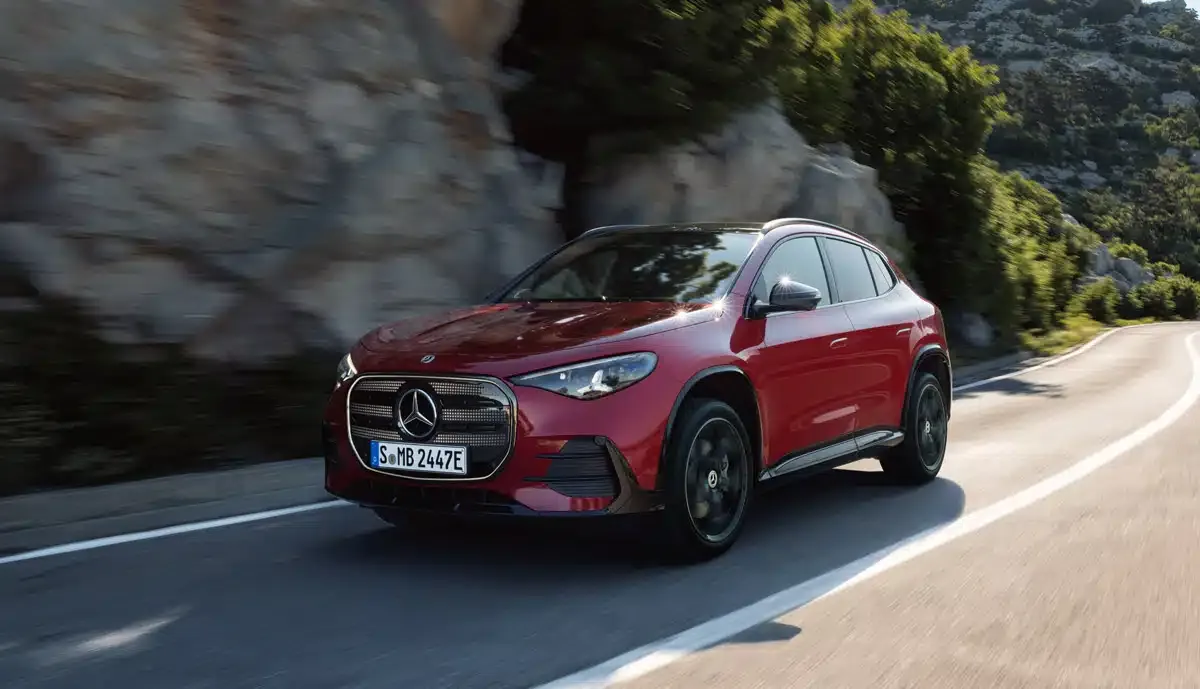
Image: Mercedes‑Benz (illustrative)
A survey commissioned by CLEPA, the European association of auto parts suppliers, shows reluctance toward banning certain vehicle technologies. Market research firm YouGov surveyed 5,221 adults in France, Germany, Italy, Poland, and Spain, with around 1,000 people in each country. Together, these five markets account for more than 70 percent of the EU’s automotive market.
Average across the five countries, only 8 percent of respondents plan to buy a purely battery-electric vehicle (BEV) as their next car. Hybrid vehicles (HEV) have higher purchase intentions in almost all of the markets studied compared to BEVs. The only exception is Germany, where 14 percent intend to buy a BEV and 13 percent intend to buy an HEV.
When it comes to policy recommendations, on average 47 percent support promoting cleaner alternatives rather than banning existing technologies. 22 percent believe the EU should not interfere at all in the automotive market. 17 percent of respondents support a complete ban on certain technologies.
"The survey indicates a gap between political decisions in Brussels and the realities faced by European citizens," says CLEPA Secretary General Benjamin Krieger. "Citizens want to drive more environmentally friendly cars, including electric vehicles, but a de facto ban on hybrid vehicles and alternative fuels drastically limits their choices. The upcoming CO₂ review provides an opportunity to adjust the pace of change to this reality and give the industry the flexibility it needs, as well as consumers access to the environmentally friendly technologies they truly desire."
68 percent of those surveyed believe their country is less prepared for the transition than they are. Overall, 75 percent say their country is not ready for full electrification. The main concerns cited are a lack of charging infrastructure and the affordability of vehicles, each at 46 percent, as well as rising energy costs at 37 percent.
CLEPA views the upcoming review of EU CO2 standards for passenger cars and light commercial vehicles as an opportunity to enable a wider range of propulsion technologies. According to the lobbyists, the survey results suggest focusing first on conditions such as charging infrastructure, affordability, and competitive energy costs. At the same time, it recommends maintaining various low-emission and zero-emission technology options during the transition period.
Contrast with other surveys and market data
The results of the survey are in stark contrast to other current studies as well as the rising number of electric vehicle registrations in many countries. According to Automobilwoche, this may be due to the survey design. For the CLEPA analysis, all adults were surveyed, including those without a driver’s license, their own car, or intention to purchase one.
CLEPA General Secretary Benjamin Krieger also said in response to a query from an industry portal: “A large portion of new electric vehicle sales comes from commercial fleet registrations.” This does not reflect the actual behavior of end consumers. The survey captures more of a general purchasing intention rather than immediate, short-term demand.
The participants in the online survey were also able to select two preferred types of propulsion. Possible combinations such as internal combustion engine and BEV, or hybrid drive and BEV, were available as answers.
Also interesting
About the author
Thomas Langenbucher is an expert in electromobility with professional experience in the automotive industry and finance sector. Since 2011, he has been covering electric vehicles, sustainable technologies, and mobility solutions on ecomento.de. Learn more.
Reader interactions