
Will the Citroen 2CV, “the return of European automotive manufacturing,” be produced using Chinese technology at an Indian factory?
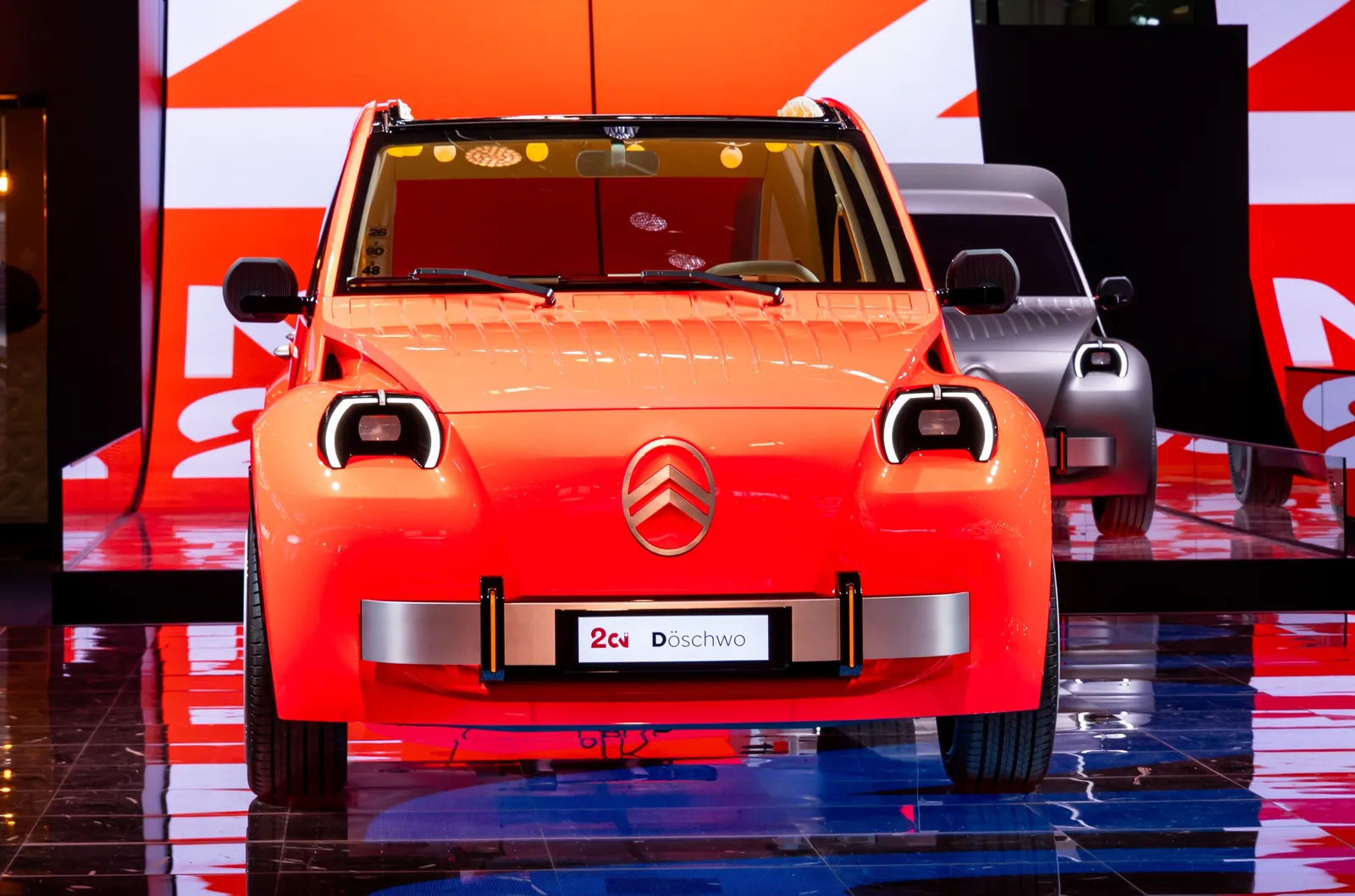
Autocar India claims that Citroen is considering making India a global production base for the Citroen 2CV. A factory in Tamil Nadu would produce the vehicle for local use and export, including to Europe. The company is reportedly seeking cost savings as the small electric car must compete in the segment of cheapest models, where margins are low. Prices for the Citroen 2CV in Europe are expected to start at 15,000 euros, equivalent to 65,900 zlotys, with the car set to go on sale in 2028.
Citroen 2CV: European preference to pay for Chinese solutions and Indian production?
First, the facts: from an auto dealership in Paris, France, we know that the Citroen 2CV will be built through collaboration with Leapmotor. Chinese engineers are said to be teaching us how to deliver projects at lightning speed. Skeptics argue that it’s impossible to create a new platform along with the automation needed to assemble cars on it in just two years, let alone have a product ready for sale. Thus, the Citroen 2CV “will definitely” be built using components partially supplied by Leapmotor.
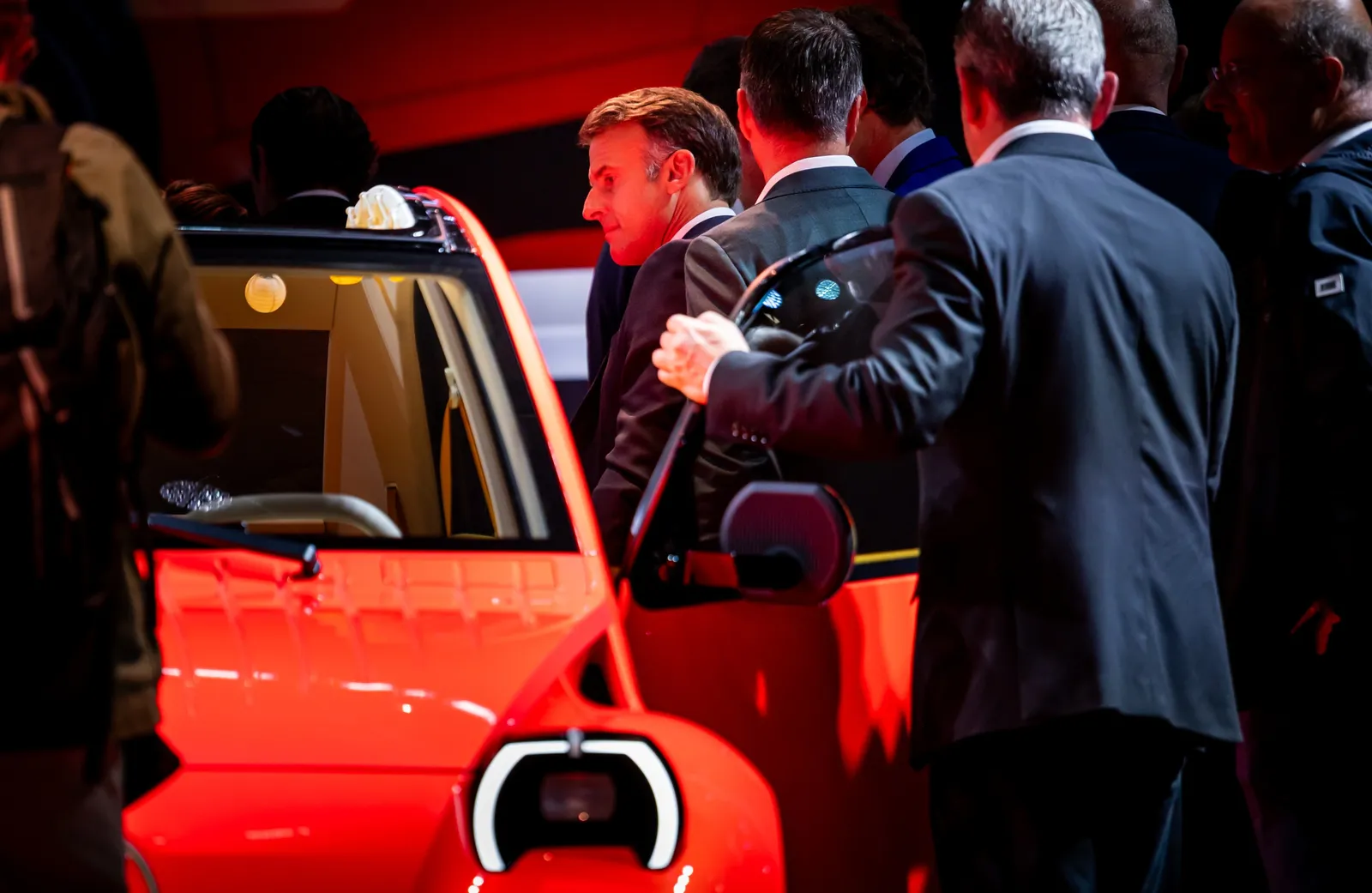
Another element of this cost-saving strategy is turning to the Indian government for support. To minimize production costs, Stellantis is considering manufacturing the 2CV in India and shipping it from there to the rest of the world, according to Autocar India. The factory already produces the Citroen C3, e-C3, Aicross (non-electric version), and Basalt, with supply chains relying over 95 percent on local companies. Vehicles produced in Tamil Nadu are exported to eight markets, and the factory’s output is set to rise to 43,000 cars per year by 2028. The biggest drawback of this location is the lack of Indian companies specialized in electric powertrains.
The concept version of the Citroen 2CV is 3.76 meters long. It will enter the European market under the M1E homologation, which is a simplified version of the certification requirements for passenger cars (M1). This new category was intended to allow local manufacturers to compete more easily with vehicles from China, but current announcements from Stellantis suggest the company is considering every method to optimize production. In Paris, it was announced that the car will be produced at the plant in Pomigliano (Naples, Italy), and this is essentially the only statement promising that European plants will survive beyond the end of this decade.
Article Rating
Reader Ratings
[Total: 0 votes Average: 0]
Don’t miss new content — CLICK and FOLLOW Elektrowoz.pl on Google News. You might also be interested in the following ads: