
Inexpensive electric city car: our 2026 top list of the cheapest
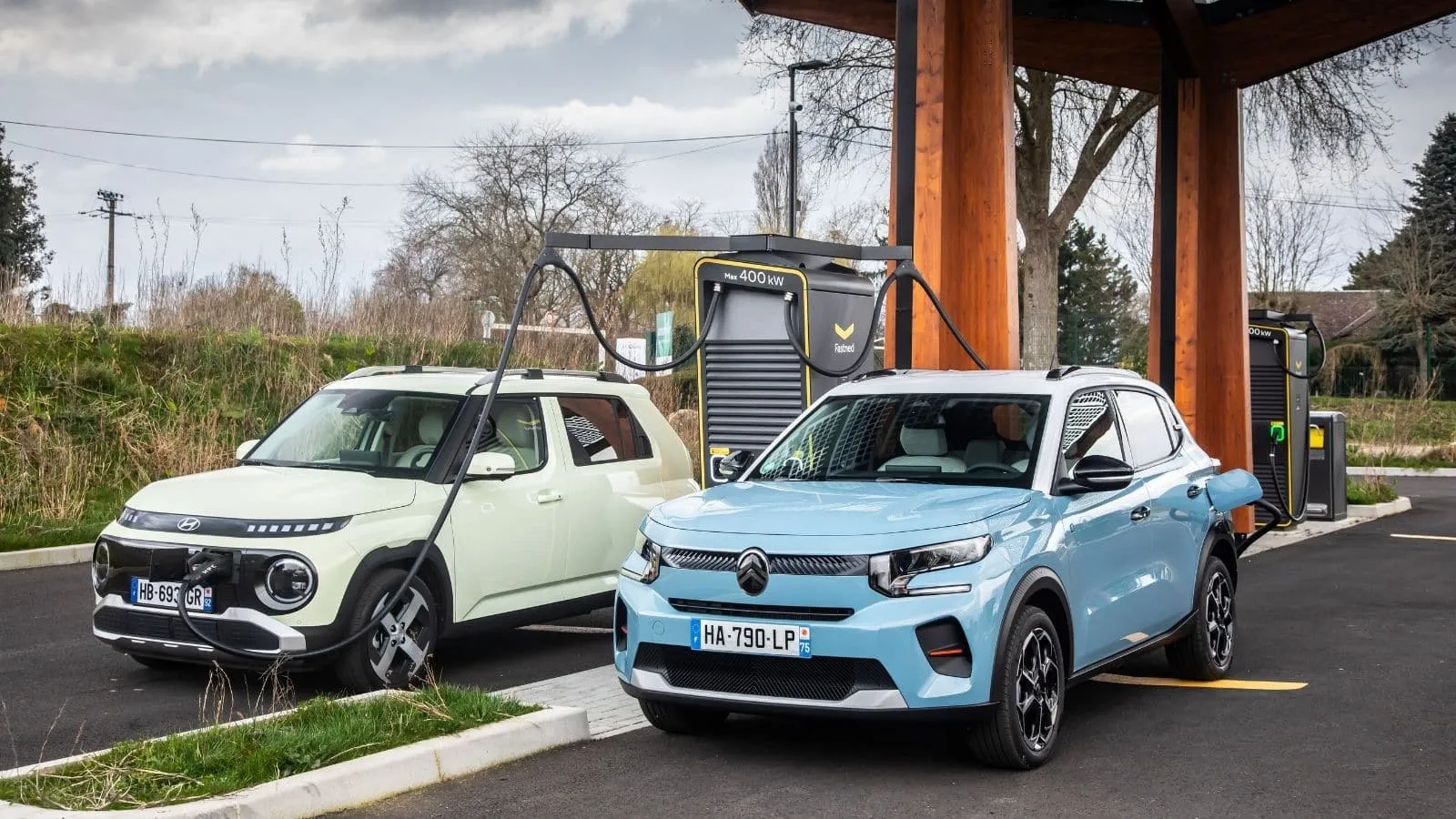
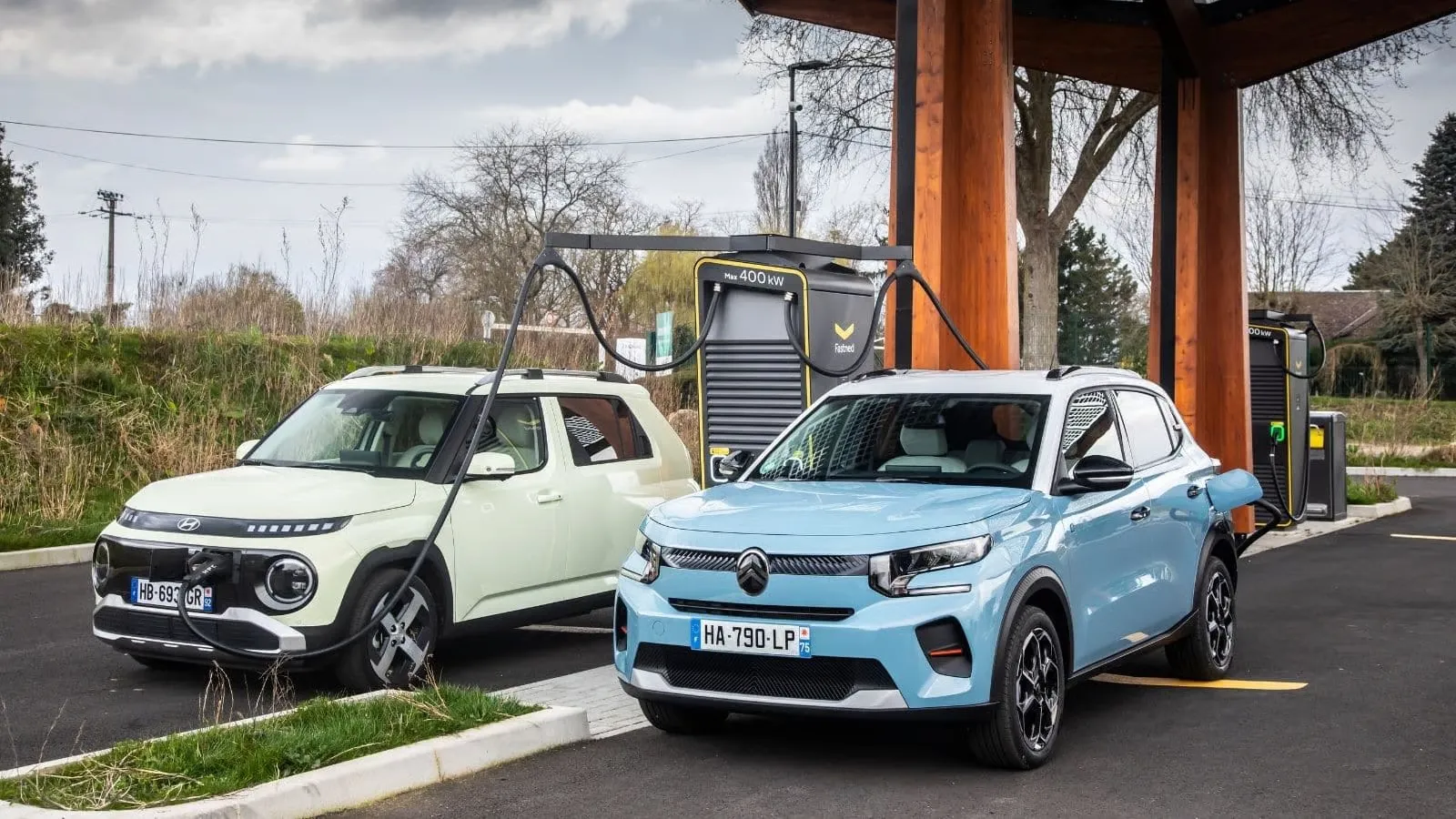
Which cheap electric city car should you choose in 2026? The selection is expanding and prices are dropping. Increased range, stronger incentives, models starting at 8,490 €: here’s our pick of the cheapest electric cars for city driving.
In short:
The cheapest electric city car remains the Citroën Ami (quadricycle), starting at 8,490 €.
For true cars, the new Dacia Spring starts at 17,900 €.
Most models offer a WLTP range of 200 to 350 km.
The 2026 incentive (“financial boost”) ranges from about 3,600 € to 7,000 € depending on the model.
With a down payment, monthly payments start around 79 €/month under LLD financing.
Why Choose an Electric City Car in 2026?
In 2026, affordable electric city cars are very popular. The current circumstances favor them. Thanks to purchase subsidies, their prices are approaching those of conventional models. Additionally, these small electric vehicles have lower operating costs. Their range and charging speeds are also improving.
As a result, households with limited budgets can now drive electric vehicles. These compact models remain practical and efficient in urban areas. The main advantage of an affordable electric city car lies in its versatility. Its small size allows it to fit anywhere. It can be charged at home or at public charging stations. Finally, its operating costs (energy and maintenance) are up to three times lower than those of conventional cars. Electric vehicles thus become an economical and environmentally friendly choice.
Which electric city car to choose in 2026?
It all depends on your usage and budget. If you mainly drive short distances in the city, a quadricycle like the Ami is more than sufficient. For full daily use, aim for a city car with a minimum range of 250 km. For trips outside the city, prioritize fast DC charging.
Here are some useful guidelines based on your profile:
Very limited budget: Dacia Spring, Leapmotor T03.
Best value for money: BYD Dolphin Surf, Hyundai Ioniq 5.
Best range and versatility: Renault 5, Hyundai Ioniq 5.
Cheapest 5-seater city car: Citroën ë-C3, Fiat Grande Panda.
Ultra-short trips: Citroën Ami, Fiat Topolino.
2026’s Top 20 Cheapest Electric City Cars
Dacia Spring: the low-cost champion enters its 2nd generation starting at 17,900 €
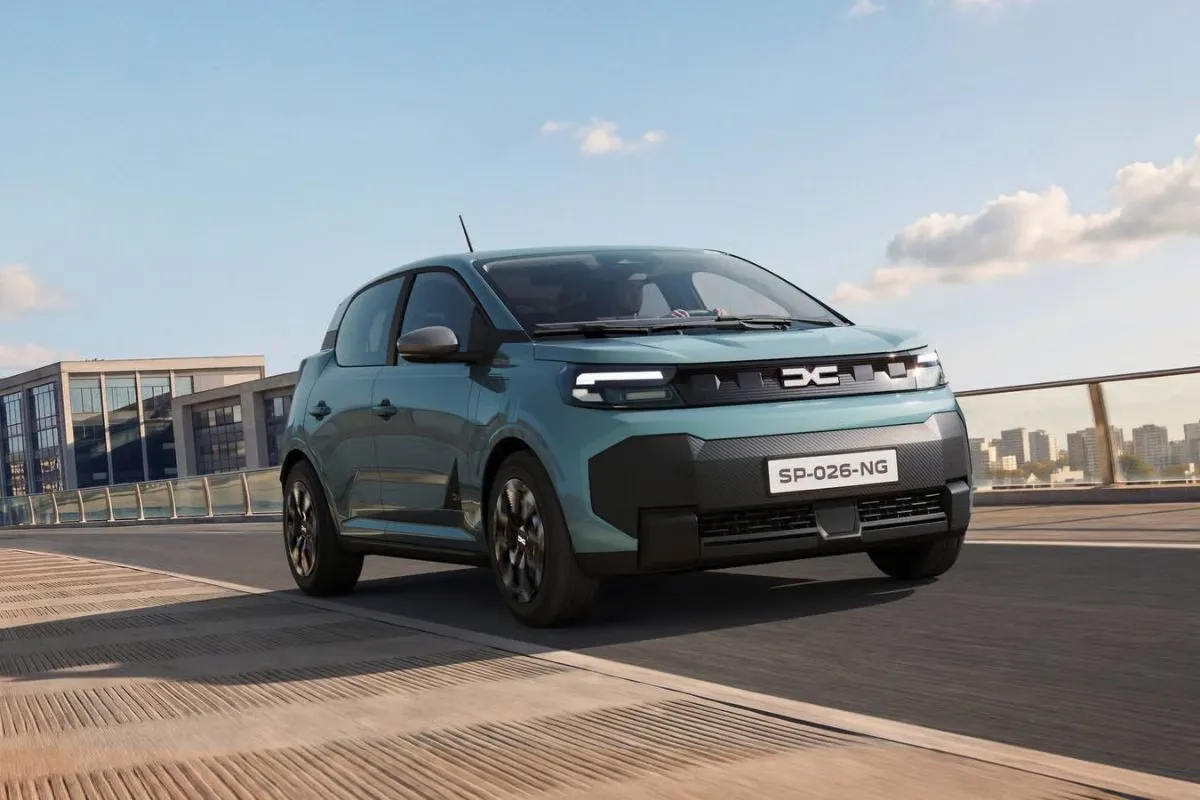
The Dacia Spring enters its second generation in 2026. Dacia isn’t settling for just a minor refresh. The new Spring shares its platform with the Renault Twingo. It’s longer by 15 cm and comes with upgraded features. Its single engine now produces 82 horsepower. Range reaches 250 km WLTP thanks to a 27.5 kWh LFP battery. The trunk capacity increases to 337 liters. Dacia also manufactures this car in Slovenia instead of China. The price starts at 17,900 € and drops below 15,000 € with incentives.
Price
starting at 17,900 €
WLTP Range
250 km
Power
82 hp
Rapid Charging
DC (depending on version)
Renault Twingo: the little genius starting at 19,490 €
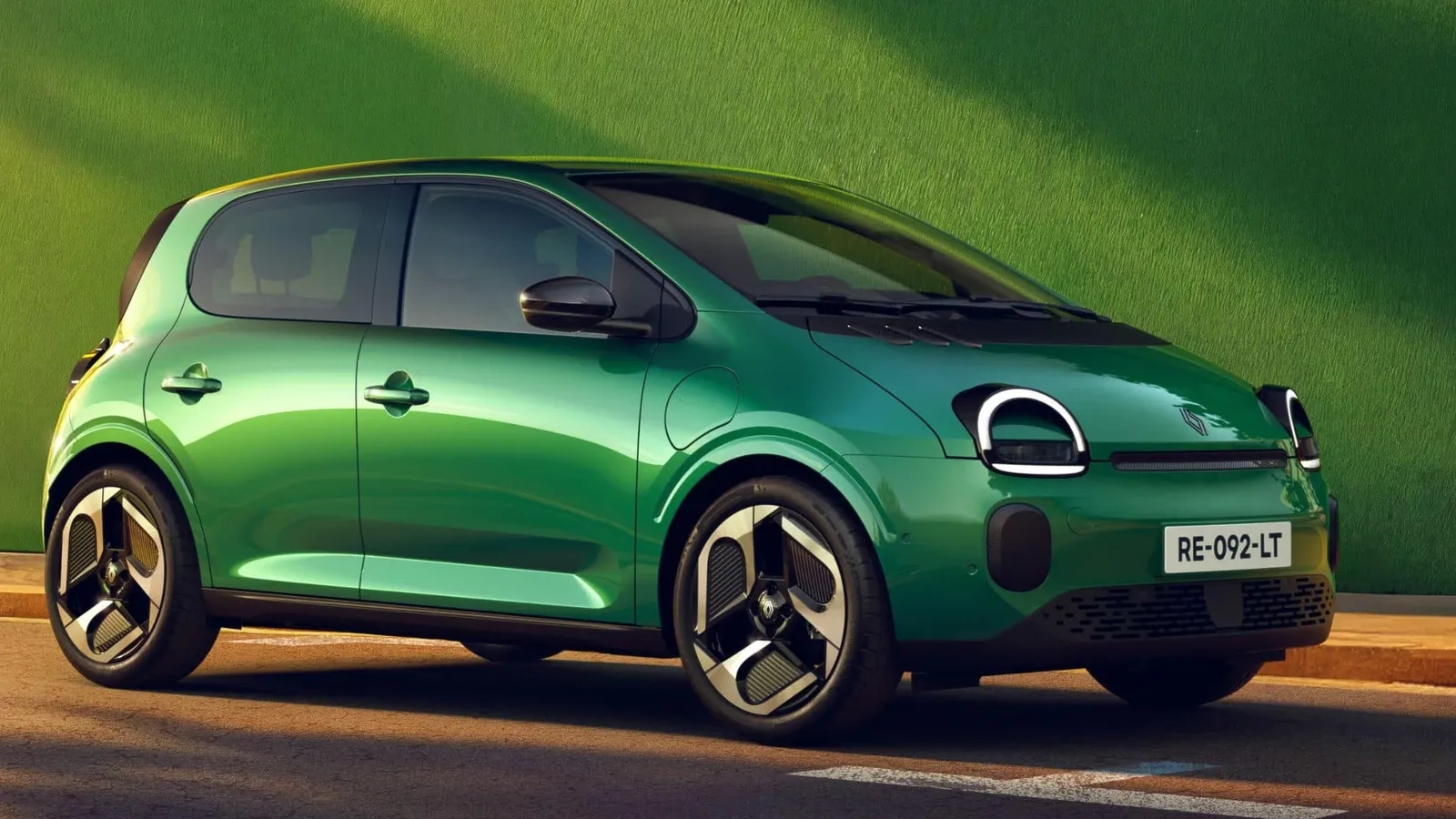
The Twingo returns in 2026 as a fully electric model. Renault makes a strong statement with a base price of 19,490 € before any subsidies. At this price point, it still comes equipped well, including air conditioning and a 10-inch touchscreen. It also features modularity with two sliding rear seats. Its neo-retro style recalls the original Twingo. However, be sure to select the DC 50 kW fast charging option. It costs 500 €, but it transforms the driving experience on the road.
Price
starting at 19,490 €
WLTP range
265 km
Power
82 hp
Fast charging
DC 50 kW (optional)
Citroën ë-C3: the French sensation starting at 20,390 €
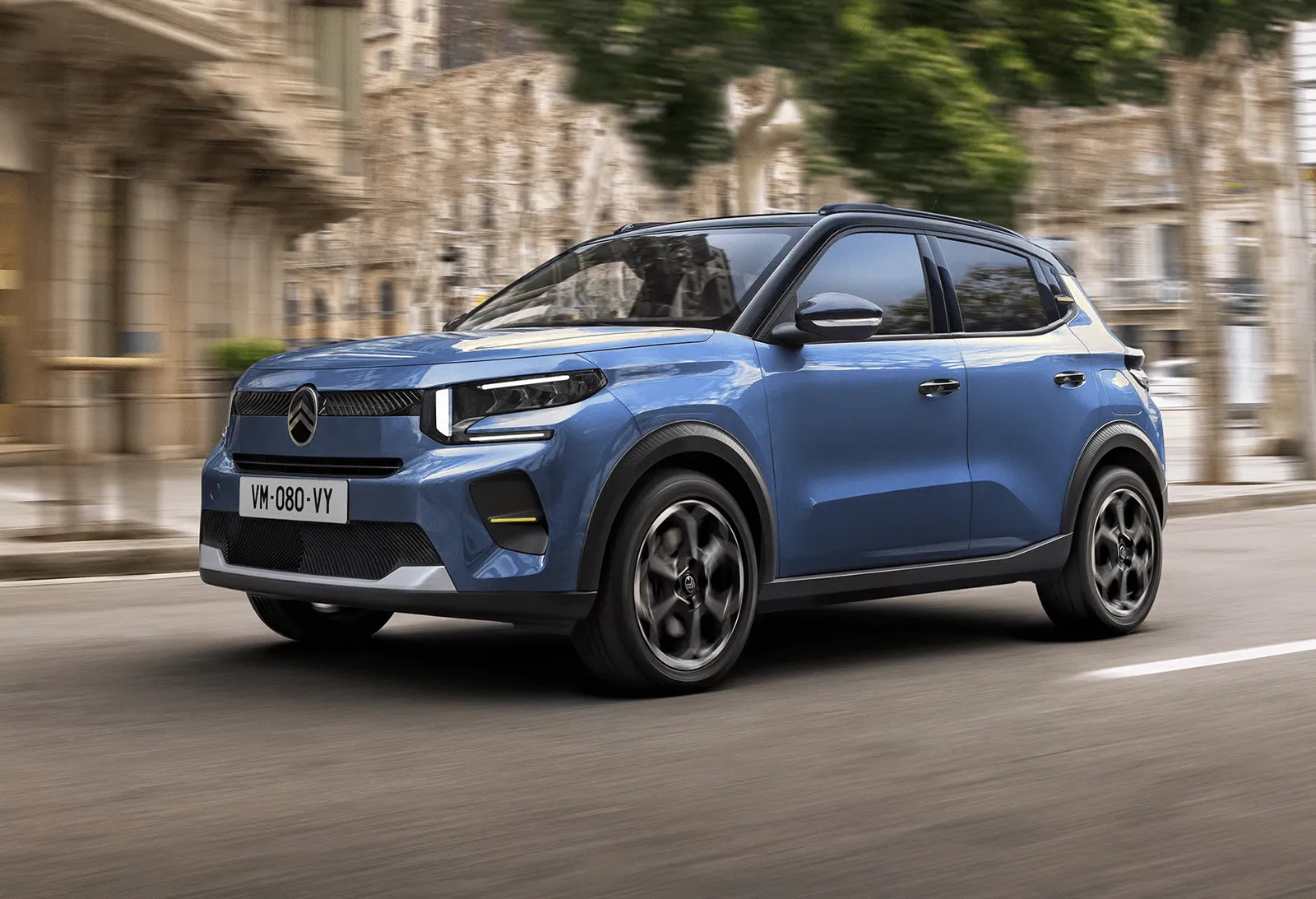
Unveiled at the end of 2023, the ë-C3 marks a turning point for Citroën. With it, the brand broke traditional prices for electric vehicles. The ë-C3 started at 23,300 €, featuring a 44 kWh LFP battery and a range of 320 km. Citroën later introduced a version with a 200 km range, sufficient for daily use, at just 20,390 €. The C3 remains a spacious city car, coming standard with air conditioning and rear parking sensors.
Price
starting at 20,390 €
WLTP range
200 to 320 km
Power
113 hp
Rapid charging
DC up to 100 kW
Renault 5 E-Tech “five”: the return of an icon starting at 24,990 €
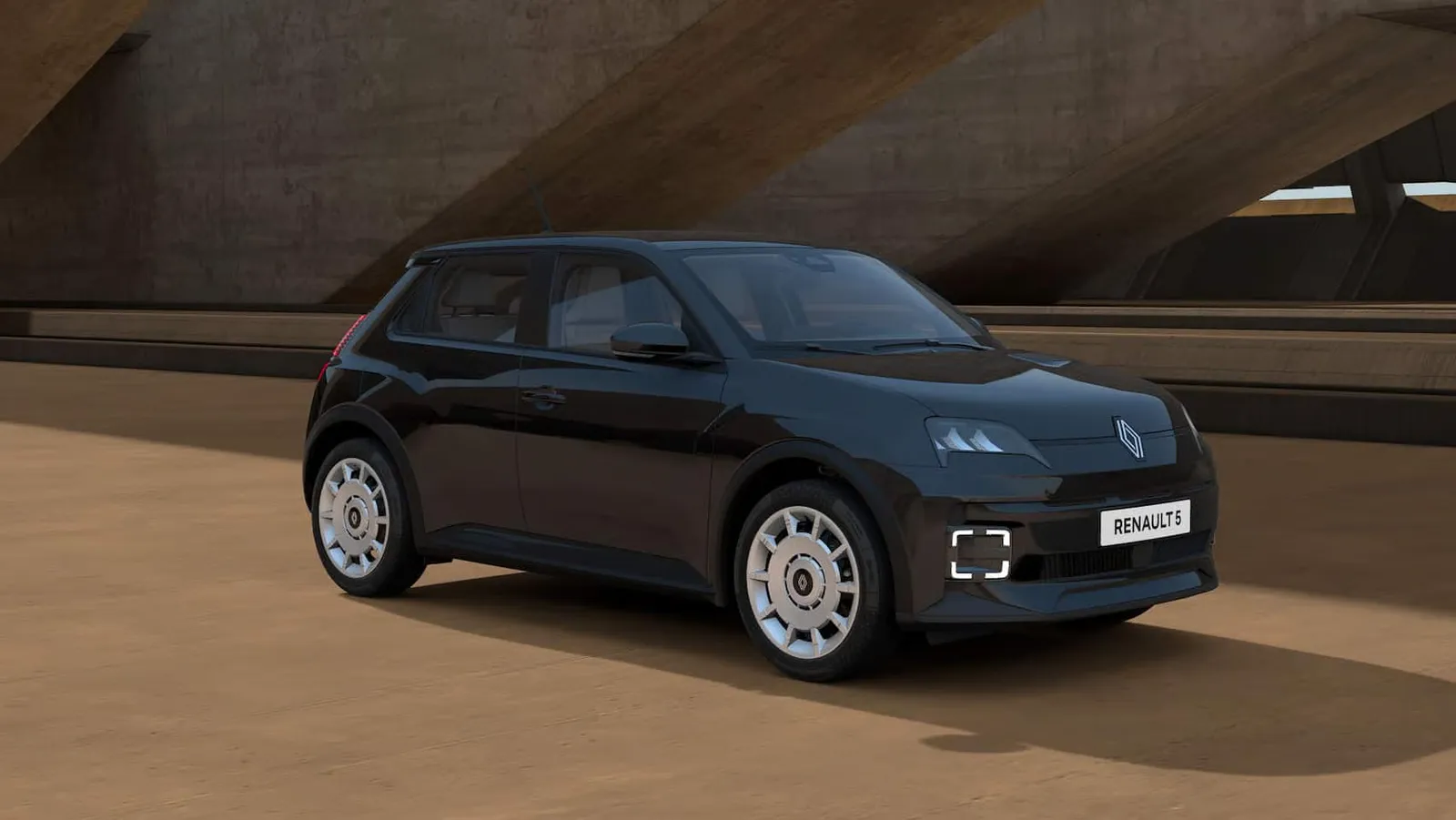
The “Five” is the entry-level version of the R5 E-Tech. Assembled in Douai, it targets the mainstream market. Its price is 24,990 € before EU subsidies in the Five model. Good news: the technical specifications were updated at the end of 2026. It now features a new 80 kW engine and a new 36.5 kWh LFP battery. The range is 305 km. Most importantly, the major flaw of the Five has been fixed: it now comes standard with a 80 kW DC fast charging option. The higher-range model (430 km range) starts at 31,990 €.
Price
starting at 24,990 €
WLTP Range
305 km
Power
110 hp
Fast Charging
DC 80 kW
Leapmotor T03: Stellantis’ Chinese model starting at 19,500 €
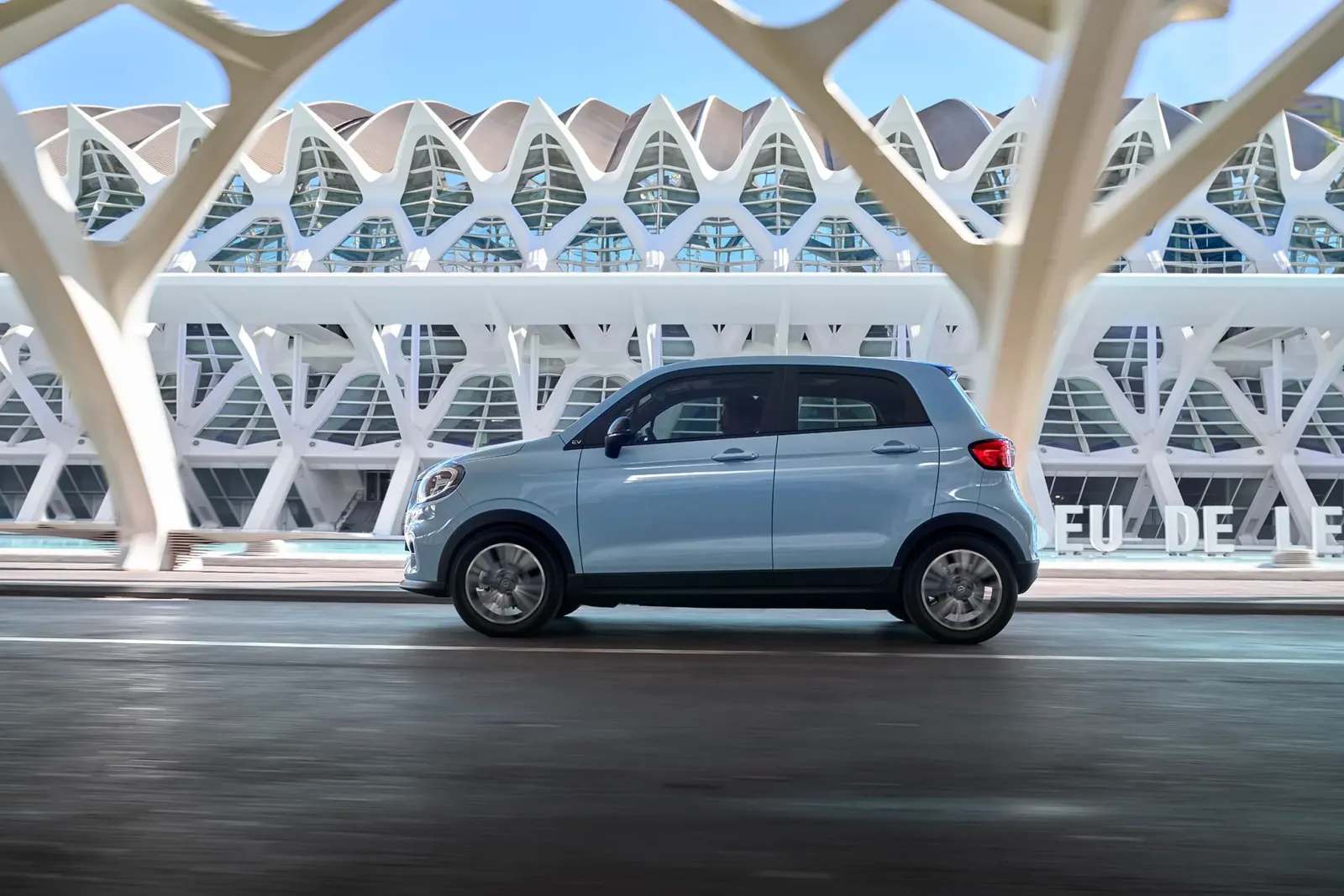
The Leapmotor T03 is now available through the Stellantis network. This 3.62-meter-long micro-city car impresses with its standard features, including a 360° camera, panoramic roof, and level 2 semi-autonomous driving. The entire package costs 19,500 €. Its range exceeds 250 km. In urban areas, it stands out for its quiet operation and tight turning radius. It competes with the Dacia Spring but offers a more attractive finish.
Price
starting at 19,500 €
WLTP range
265 km
Power
95 hp
Rapid charging
DC 48 kW
BYD Dolphin Surf: price-to-spec ratio starting at 19,990 €
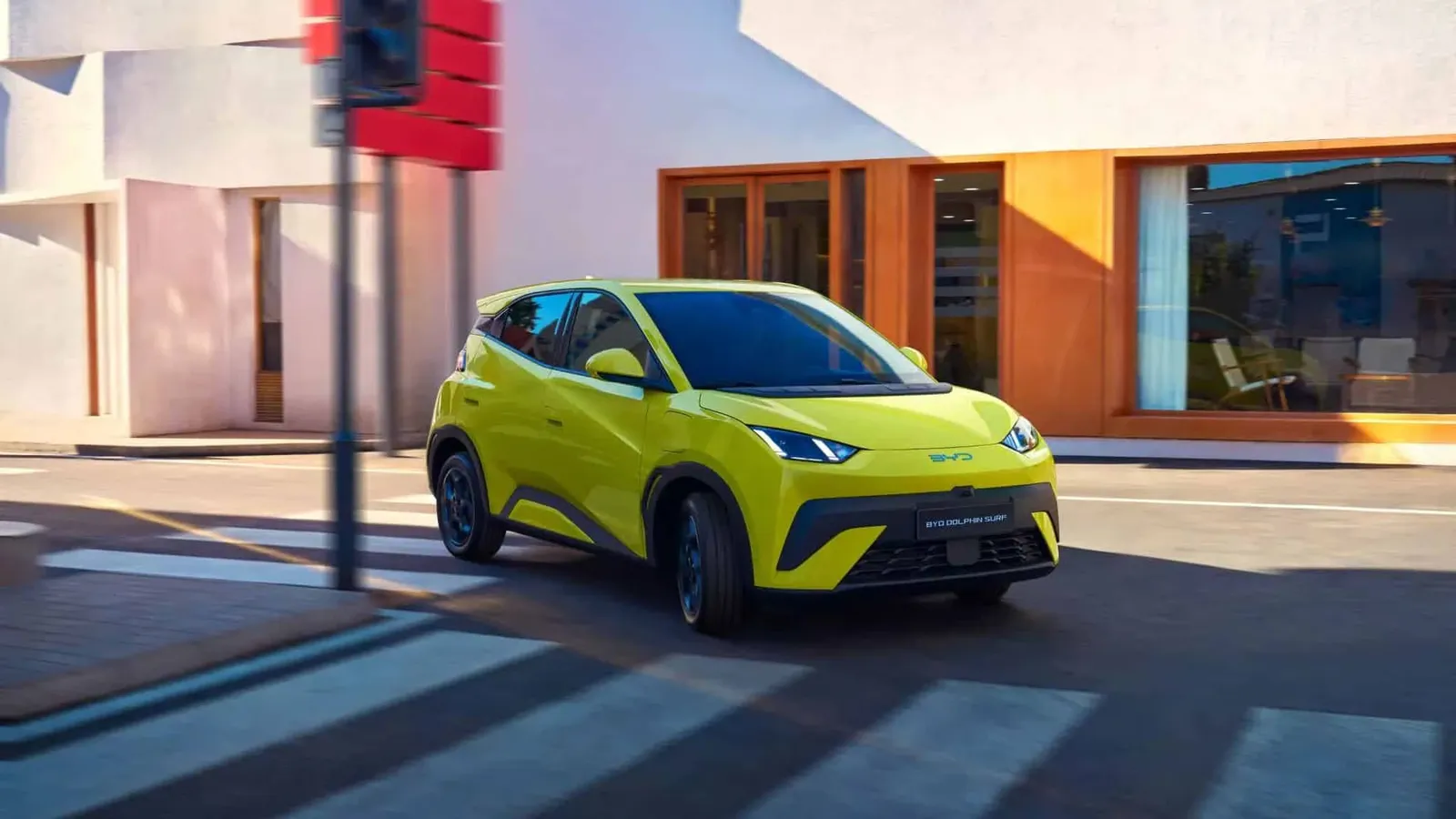
BYD introduced the Dolphin Surf in France in 2025. This electric city car is 3.99 meters long. Its base model starts at 19,990 €, offering a range of 220 km. The version with a 322 km range costs 23,990 €. Premium features are available even in the entry-level model, including air conditioning, 10.1-inch touchscreen navigation, and a rear camera. Additionally, an 11 kW charger and DC fast charging at 65 kW come standard.
Price
starting at 19,990 €
WLTP range
220 to 322 km
Power
88 / 156 hp
Fast charging
DC 65 / 85 kW
Also read
Review: Can the BYD Dolphin Surf outperform the Renault 5?
Fiat Grande Panda: The 5-seater city car starting at 23,900 €
Note that the Grande Panda does not replace the Panda. It brings Fiat back to the 5-seater multi-purpose city car market left vacant by the Punto. It is based on the Citroën ë-C3, but everything visible on it is unique to the Grande Panda. Its cubic design recalls the original Panda. Fiat offers a simple and efficient car. Starting at 23,900 € before subsidies, it offers a range of 320 km. At 25,900 €, the range increases to 400 km.
Price
starting at 23,900 €
WLTP range
320 to 400 km
Power
113 hp
Rapid charging
DC 100 kW
Hyundai Ioniq: The well-equipped Korean car starting at 25,350 €
Hyundai entered this segment with the Ioniq, the electric version of the i10. It is just over 3.80 meters long. The customizable interior is impressive. The range reaches up to 369 km in the Long Range version. Its price starts at 25,350 € depending on the version. A major advantage is its rich standard equipment, including a 10.25-inch touchscreen navigation system, rear camera, and hands-free access...
Price
starting at 25,350 €
WLTP Range
323 to 369 km
Power
97 or 115 hp
Rapid Charging
DC 85 kW
Citroën Ami, Fiat Topolino, Microlino: the urban quadricycles
Let’s not forget electric micro-cars. The Citroën Ami (starting at 8,490 €), its cousin the Topolino, and the Microlino are designed for very short distances. Some come only in the L6e version, limited to 45 km/h. Others are available in the L7e version, reaching up to 90 km/h. Depending on the engine, they are suitable for city driving or suburban use.
In France, these micro-cars appeal to young drivers, city professionals, and seniors. Their operating costs remain low. Additionally, they can be charged using a standard household outlet.
Comparison – Citroën Ami vs Fiat Topolino: a sibling rivalry without a driver’s license
Do you like the Citroën Ami?
Book a test drive
Do you like the Fiat Topolino?
Book a test drive
Do you like the Microlino?
Book a test drive
Are these city cars suitable for daily use?
Yes, these affordable electric city cars are suitable for urban living. Their biggest advantage remains their compact size. The lengths range from 2.41 meters (Ami) to 4.01 meters (ë-C3), making parking and maneuvering easier. Silence, the absence of a clutch, and driving aids enhance the experience. Most models offer a WLTP range of 200 to 350 kilometers, which more than covers a week of urban commuting.
Some models, like the Inster or Renault 5, allow for stress-free driving outside the city. However, certain compromises are necessary. The rear space remains limited. Charging is slower compared to higher-end models. Power outputs can sometimes be modest. But for daily commutes, grocery runs, and family outings, they are more than sufficient.
Which electric city car is the cheapest to use?
The purchase price doesn’t tell the whole story. Operating costs have a significant impact over time. In this regard, electric city cars retain their advantage. Charging at home costs around 2 to 4 euros per 100 km. An equivalent gasoline car often costs three times more.
Maintenance follows the same logic. No oil changes, no belts, and less brake wear due to energy recovery. Quadricycles like the Ami take this approach to extremes. Their fuel consumption and maintenance costs remain minimal. For a traditional car, the Dacia Spring remains one of the least expensive to operate, with 12.7 kWh per 100 km.
Also read
5 features you’ll love if you switch to an electric car!
The government continues to promote electric vehicles. The social leasing program ended in 2026. However, the “electric vehicle subsidy,” the new name for the environmental bonus, remains in place. It is now funded by CEEs. Good news: this subsidy was increased in 2026. According to manufacturers, it ranges from approximately 3,500 € to 7,000 €. The vehicle must still meet the eco-score set by ADEME. This applies to models such as the Citroën ë-C3, Fiat Grande Panda, Renault Twingo, Dacia Spring, Renault 5, and Hyundai Ioniq (in the 5-seater version).
Long-term rental offers remain attractive. Monthly payments start around 79 € with a small down payment. You can switch vehicles every 3 to 4 years, which is a good compromise for having a newer vehicle.
Also read
Inexpensive electric city cars: our 2026 list of the cheapest
Purchase or long-term lease: which to choose?
It depends on your situation. Buying makes sense if you drive little. It’s also a good option if you keep the car for over 8 years, allowing you to recoup your investment. You’ll enjoy lower maintenance costs. On the other hand, long-term leasing appeals to busy urban drivers. There’s no need to worry about selling the car later, with a warranty included and maintenance covered. It’s also a way to try an electric vehicle without long-term commitments.
Also read
What purchase option is best for an electric car?
Summary of affordable electric city cars
Model
Basic WLTP range
Horsepower
Length
Price
Citroën Ami
75 km
8 hp
2.41 m
8 490 €
Fiat Topolino
75 km
8 hp
2.53 m
9 890 €
Microlino
230 km
17 hp
2.44 m
17,990 €
Dacia Spring
250 km
80 hp
3.85 m
17,900 €
Leapmotor T03
265 km
95 hp
3.62 m
19,500 €
Renault Twingo
265 km
82 hp
3.79 m
19,490 €
BYD Dolphin Surf
220 km
88 hp
3.99 m
19,990 €
Citroën ë-C3
320 km
113 hp
4.01 m
20,390 €
Fiat Grande Panda
320 km
113 hp
4.00 m
23,900 €
Renault 5 E-Tech
305 km
110 hp
3.92 m
24,990 €
Hyundai Inster
323 km
97 hp
3.83 m
25,350 €
FAQ: cheapest electric city car in 2026
What is the cheapest electric city car on the market?
The Citroën Ami remains the cheapest, starting at 8,490 €. Among classic cars, the new Dacia Spring begins at 17,900 €, making it the most affordable certified electric city car in France.
Which electric city car has the lowest maintenance costs?
All electric city cars reduce maintenance expenses. No oil changes, no belts, and less brake wear. The Dacia Spring and Leapmotor T03 are among the least costly to operate.
Which electric city car has the most powerful engine?
In our selection, the Citroën ë-C3 and Fiat Grande Panda lead with 113 hp. The Renault 5 follows with 110 hp. The BYD reaches up to 156 hp, but it’s in the higher-end category.
What is the cheapest 5-seater electric city car?
The Fiat Grande Panda offers five real seats and a range of 320 km, starting at 23,900 € before subsidies.
Are these cars eligible for the environmental bonus?
Many are, as long as they meet the eco-score requirements. This includes the Citroën ë-C3, Fiat Grande Panda, Hyundai Inster, Renault Twingo, Dacia Spring, and Renault 5.
What’s the range of a small electric car?
Generally, it ranges from 200 to 350 km WLTP depending on the model. This is sufficient for a week of urban driving. The Inster and Renault 5 have the highest ranges.
Can these city cars be used outside the city?
Yes, except for quadricycles like the Ami or Topolino, which are limited to 45 km/h. The others can travel on national roads and highways without issue.
Are there charging stations suitable for these models?
Yes. All of them can be charged at a home charger (3.7 kW), a wallbox (7.4 or 11 kW), or a public charger. Except for quadricycles, these models also support fast charging using direct current.
Need a charger for home charging? Check out our guide to installing wallboxes.