
Goodbye diesel to Miele technicians: 840 electric Volkswagens ready
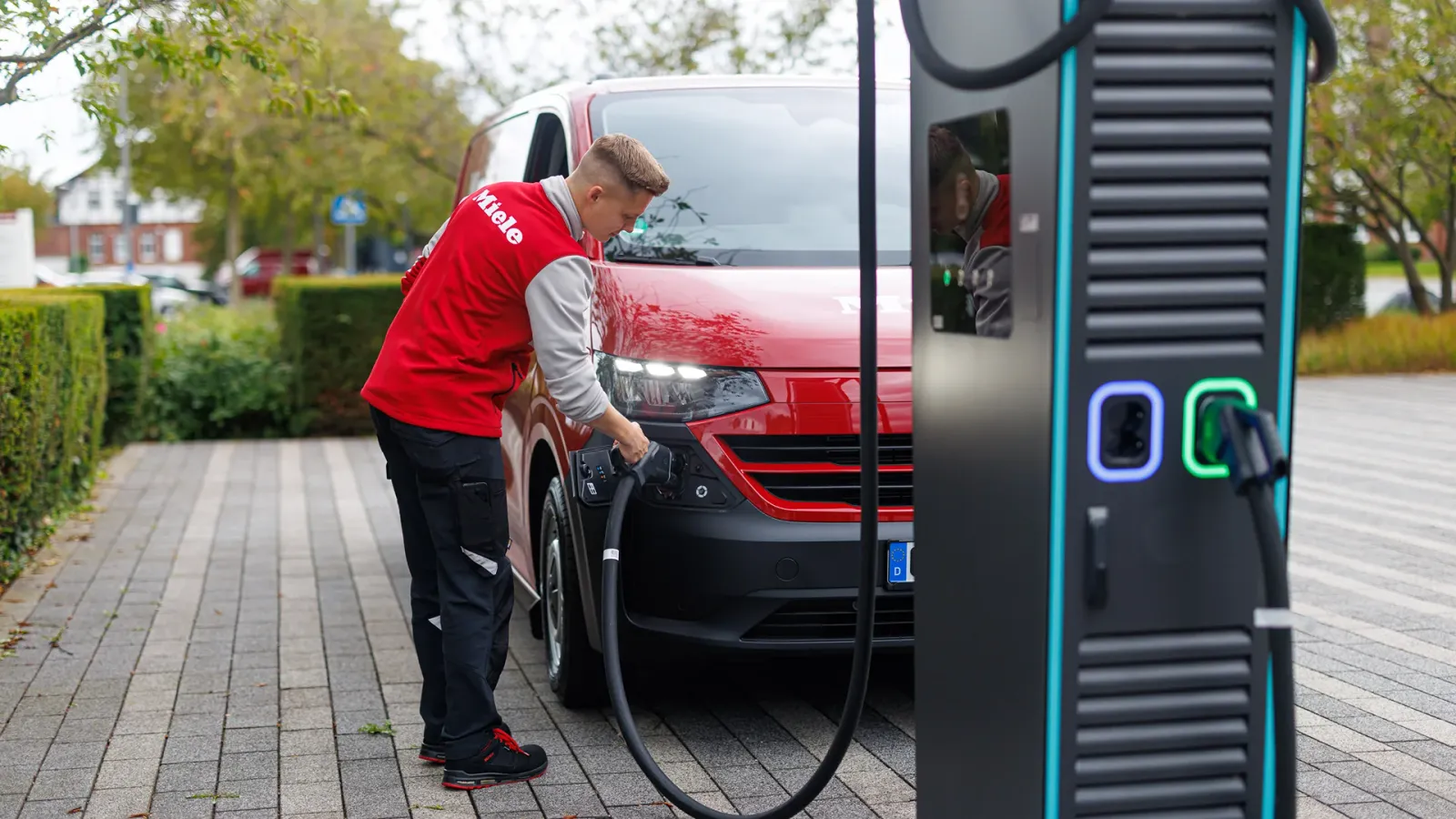
Miele’s technicians will arrive at European homes and businesses aboard 840 Volkswagen electric vans. The historic German manufacturer of premium household appliances, ranging from washing machines and dishwashers to ovens and refrigerators, is abandoning diesel in favor of electric power. Volkswagen Commercial Vehicles (VWN) was awarded the contract to supply these new vehicles for the group’s service network. The vans will also be equipped with Sortimo fittings, modular systems designed to efficiently transport tools, spare parts, and technical equipment.
Miele Will Have a Zero-Emission European Service Network
The German company founded in 1899 also operates in the professional sector, supplying equipment for industrial laundries, hotels, hospitals, and laboratories, and it boasts a large network of technicians. These professionals provide support to both private customers and businesses for installations, maintenance, and repairs. This on-site service will soon rely on 840 electric vans in the coming months, marking almost a farewell to diesel.
Electrification will primarily affect Germany, which is allocated just over half of the 840 electric vehicles, specifically 440 units. The specific models ordered, as well as the battery or powertrain configurations to be used, have not yet been disclosed. The transformation is particularly advanced in the professional customer service division: almost all 420 employees in this area will use electric vans, with the proportion of electric vehicles reaching nearly 100% in this sector.
In contrast, the proportion of electric vehicles in the home customer service division is currently around 30%, and it is expected to increase gradually as the fleet is renewed.
Miele’s electrification initiative began with VW’s ID. Buzz
Miele already uses several electric vehicles in its service fleet, including the ID. Buzz. This is both an experience and a test, as the company emphasizes: “The data collected on range, charging times, energy consumption, and daily use, along with feedback from technicians, have been used to define the requirements for the next generation of vehicles.” These electric vehicles are used in various European countries.
The choice of electric vehicles is justified not only by reduced CO₂ emissions but also by improved worker well-being. “Electric vehicles make commuting in urban traffic, with frequent stops and starts, particularly convenient. Additionally, thanks to the pre-conditioning function, the cabin can be heated while the vehicle is still connected to the charging station.”
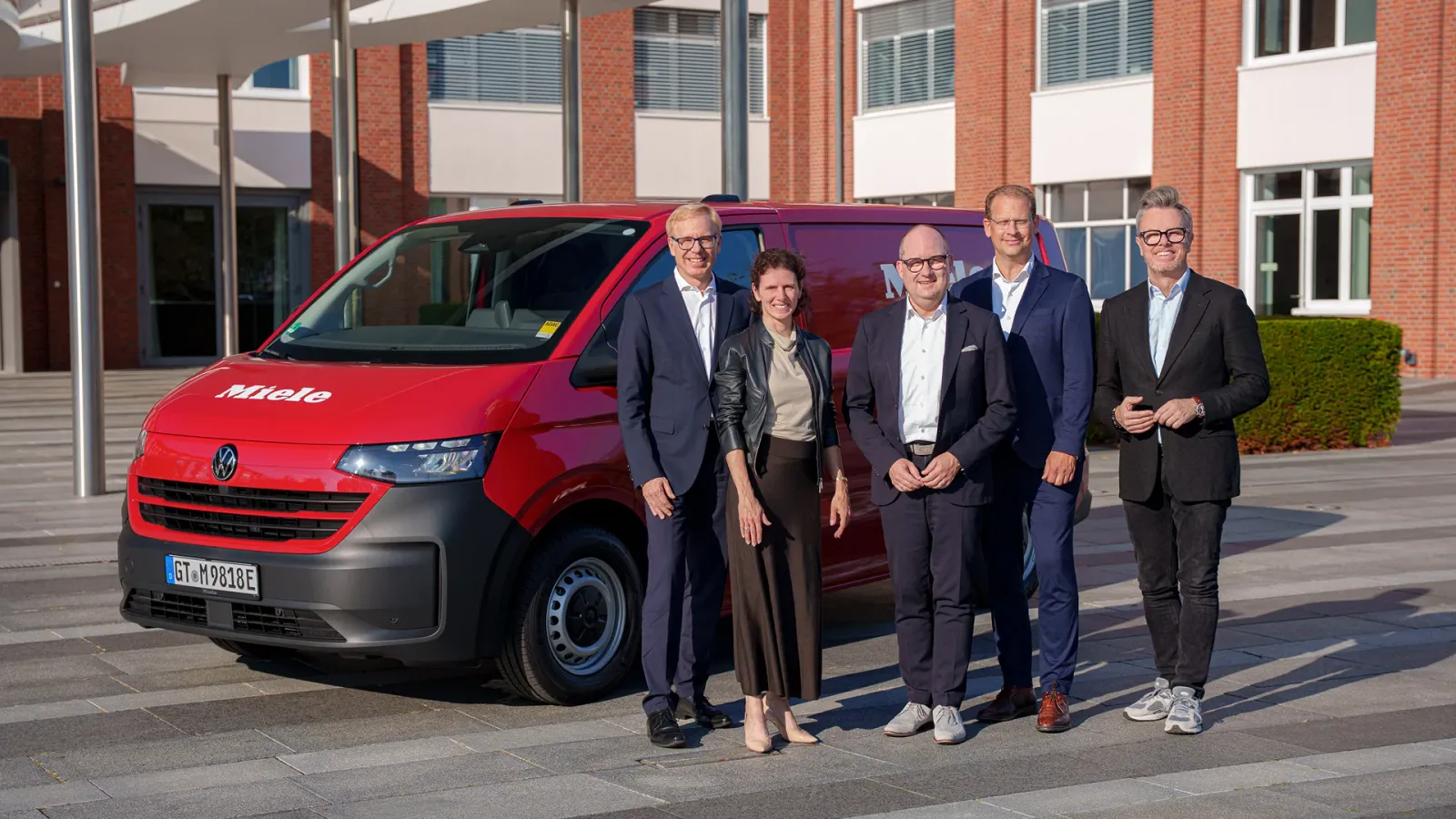
“Electrifying our fleet is a key element of the company’s sustainability strategy,” says Rebecca Steinhage, Head of Human Resources and Institutional Affairs at Miele. “Since service vehicles are used daily, they represent an effective tool for reducing direct CO₂ emissions and gradually replacing fossil fuels with electric energy.”
READ ALSO: Electric Boats, Where Are We? and watch the VIDEO
Previous Article
VOLTAB, Reused Car Batteries for Italian Mobile Generators
Next Article
Focusing on Electric Corporate Fleets: How Is Yours Performing?