
China is regulating the EREV market. This includes noise testing and a durability test over 300,000 kilometers.
As series plug-in hybrids, in which the internal combustion engine does not drive the wheels but functions as a power generator, gain increasing popularity in China, the Chinese government has decided to clarify the testing procedures for such vehicles, according to CarNewsChina. For buyers, durability tests are perhaps the most important, as they aim to simulate 300,000 kilometers of driving under various conditions, including 100,000 start-stop cycles.
Chinese plug-in hybrids are meant to run without breaking down
The previous regulations dated back to 2017, a time when EREV hybrids were a relatively small and unimportant segment of the PHEV market. The situation has now changed dramatically: Chinese manufacturers are competing to equip them with larger batteries so that owners can travel several hundred kilometers on electricity and have constant access to high power (i.e., electric motors), while also being able to refuel with gasoline if needed, relying on a combustion-based generator to recharge the battery.
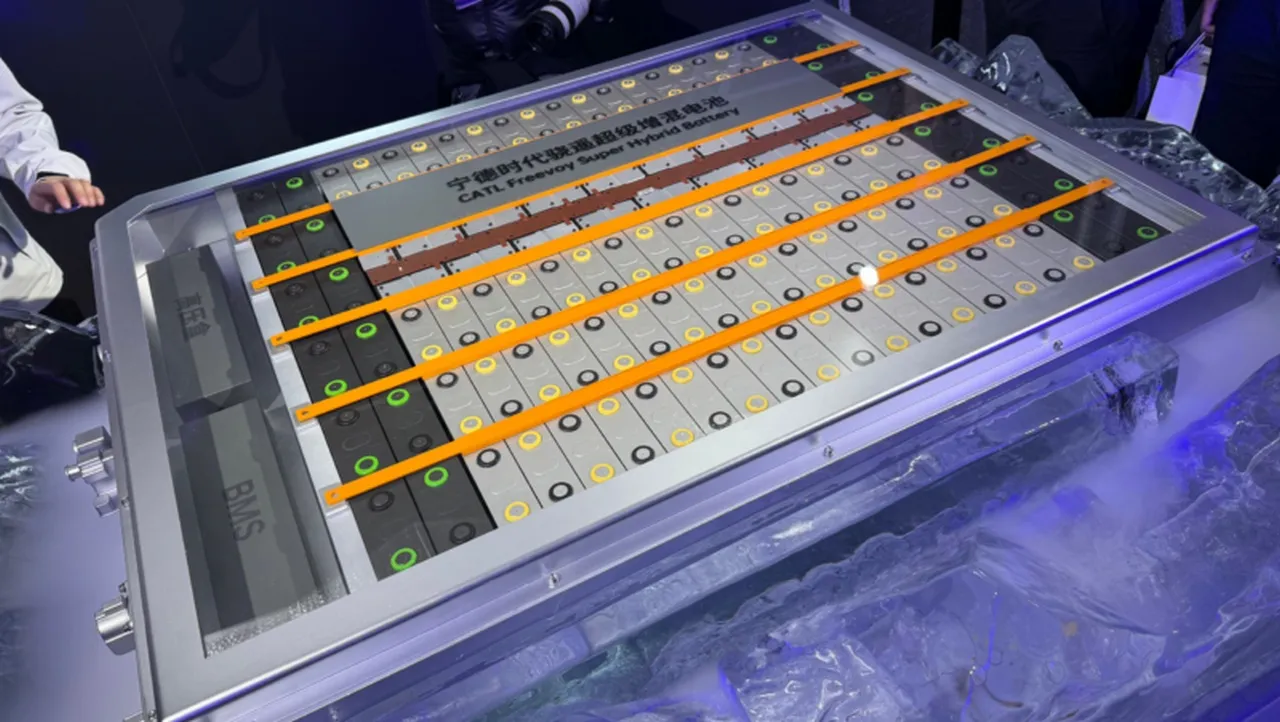
CATL Freevoy II, a battery for series hybrids. Its cells are made by combining LFP and Li-NCM chemistries (c) CATL
The Chinese government wants engine power levels to be precisely defined from now on. For outputs up to 50 kW, the actual value must not differ by more than +/- 1.5 kW from the declared value. For higher power levels, the difference cannot exceed 3 percent. This measure aims to eliminate the worst-performing models from the market, whose manufacturers reported values for unrealistic RPM ranges – it’s important to keep in mind the reasons behind this regulation when considering purchasing a lower-quality Chinese EREV vehicle.
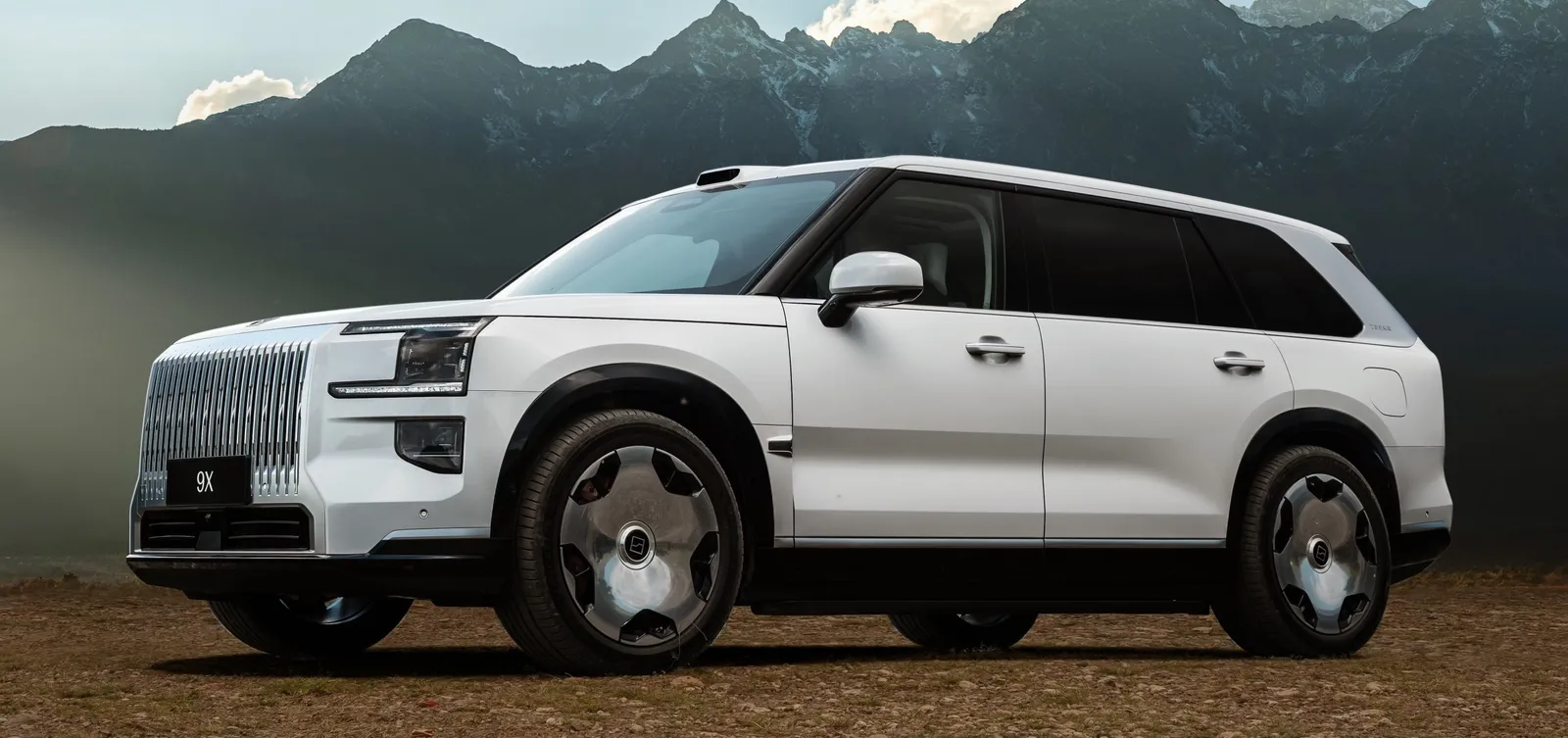
Zeekr 9X, an example of an EREV vehicle
In addition, the new regulations specify procedures for testing electromagnetic radiation, vibrations, and noise. The integration between electric and combustion engines is to proceed smoothly, with manufacturers required to measure the noise level of traditional engines. For now, we only have promises that the additional noise from fuel exploding in the cylinders increases the vehicle’s noise level by “less than 1 dB” or “less than 1.5 dB”.
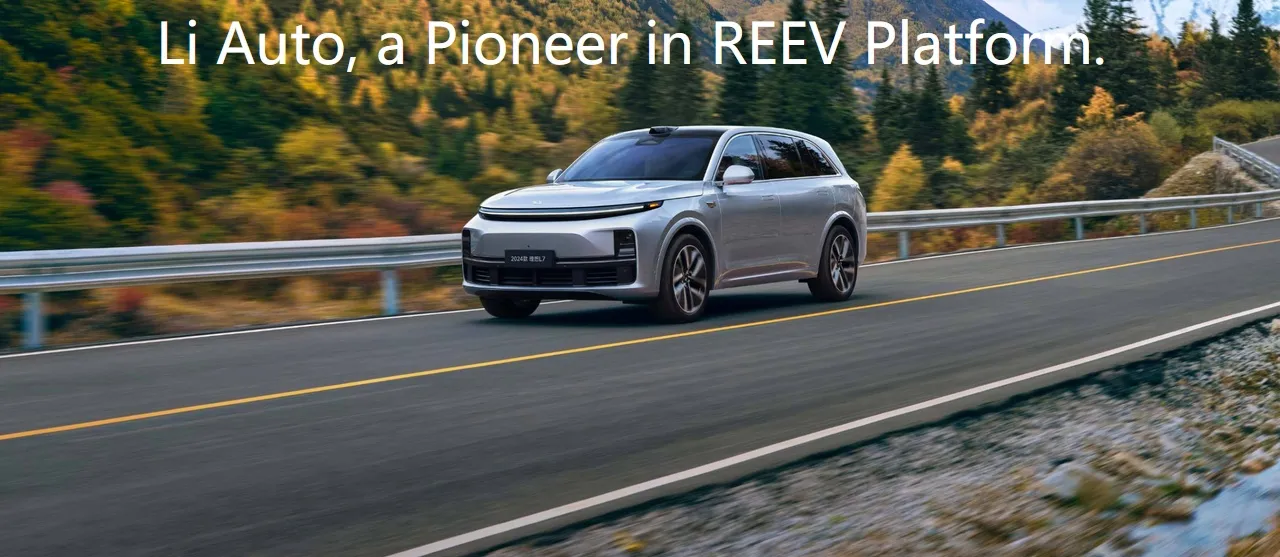
Li Auto refers to its EREV engines as REEV. They are the same thing. The image shows the Li Auto L7 EREV.
The durability tests involve 750 hours of continuous operation under various loads and 100,000 start-stop cycles, including urban driving with frequent engine shutdowns and restarts. This is equivalent to 300,000 kilometers of operation in real conditions. The tests will also cover variants where the generator and electric motor are located within the gearbox housing, as there are already signs from the market that such units can be unreliable and their repair is extremely costly.
Article Rating
Reader Ratings
[Total: 5 votes Average: 5]
Don’t miss new content — CLICK and FOLLOW Elektrowoz.pl on Google News. You might also be interested in the following ads: