
China regulates battery degradation. Maximum: -25 percent after 8 years or 160,000 km. Clear information including V2X is required.
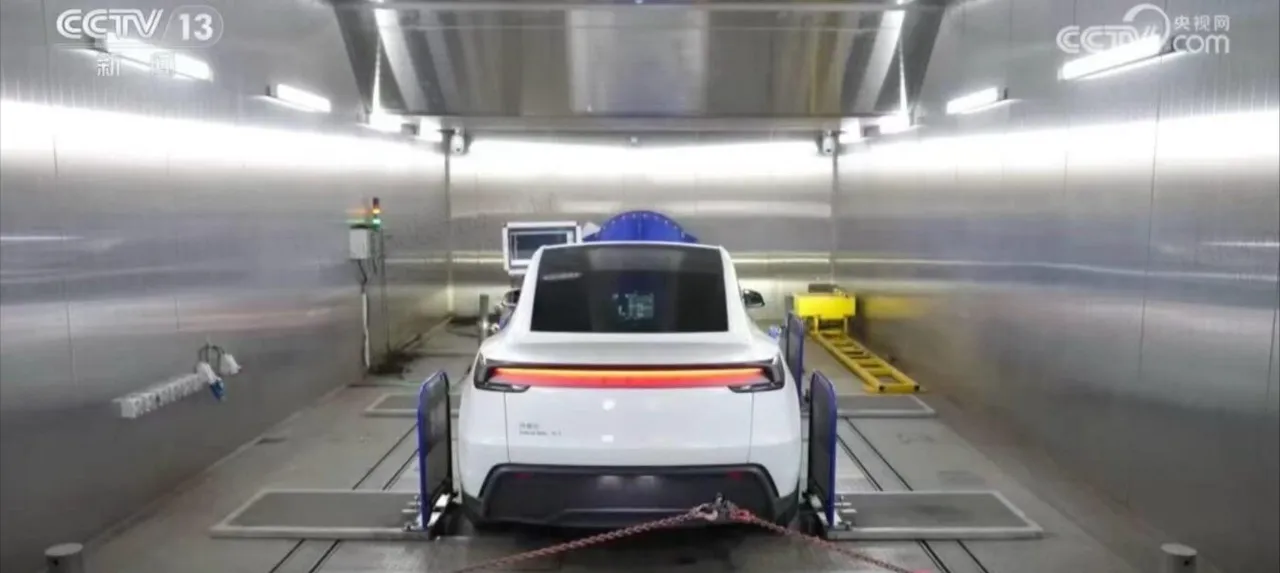
In China’s avant-garde, modern, forward-thinking society, a law has been enacted to regulate the maximum level of degradation of Li-ion batteries in electric vehicles after a certain mileage or age. This legislation closely resembles the one proposed years ago by the European Commission in our backward, over-regulated, aging European Union With one small exception: China’s standards are slightly stricter, as the country already knows exactly what it can afford.
Acceptable battery degradation in electric vehicles
According to China’s current regulations, the acceptable degradation levels are as follows:
a maximum of 18 percent after 5 years or 100,000 kilometers (EU Commission’s proposal for Euro 7 standard: -20 percent),
a maximum of 25 percent after 8 years or 160,000 kilometers (EU Commission’s proposal: -30 percent).
A maximum of 30 percent after 10 years or 200,000 kilometers of mileage [no proposal from the EC for such mileage – editor’s note].
In other words, the proposals put forward by the European Commission a few years ago were less stringent but hit the mark, although no battery cell industry capable of providing raw data had yet developed on the Old Continent at that time. Chinese regulations only slightly raise European requirements, and that’s mainly because after these four years we know that Li-ion cells lose capacity more slowly than even skeptics predicted. There are electric vehicles with hundreds of thousands of kilometers on the road whose degradation is measured in single percentages.
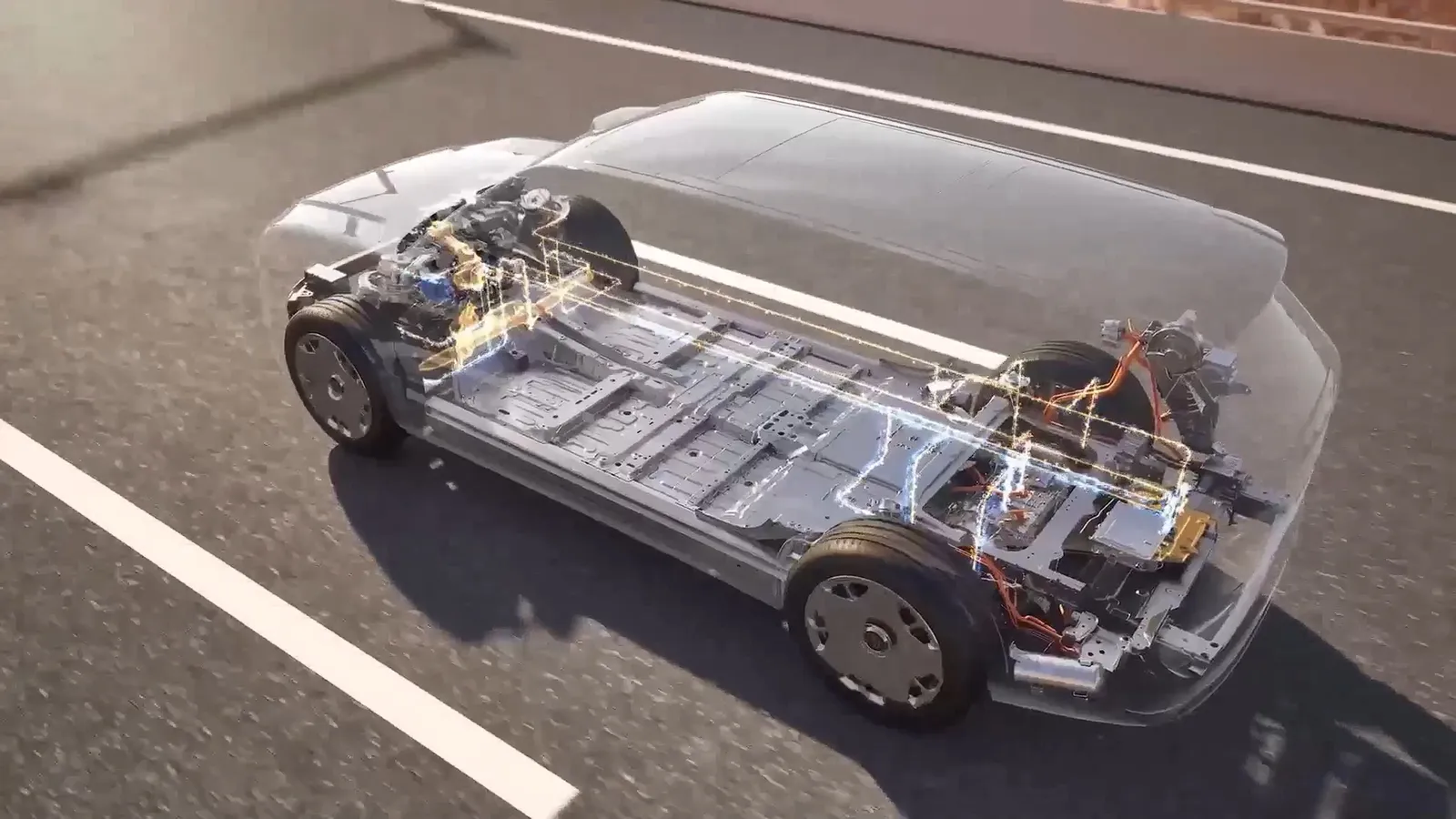
Zeekr 9X battery, illustrative image (c) Zeekr / Geely
From our perspective, the most important addition in Chinese regulations that was not present in the documents governing Euro 7 standards is the requirement to display to the owner the current degradation of the battery pack with an accuracy of 5 percent. Here, the Chinese government has protected manufacturers, as they can present a 5 percent decrease in factory capacity as a reassuring “100%.” Yet, in this situation, Hyundai emerges as the clear winner, as it leaves substantial margins in its batteries, allowing it to claim a degradation level of “0 percent” even after 150,000 kilometers of use.
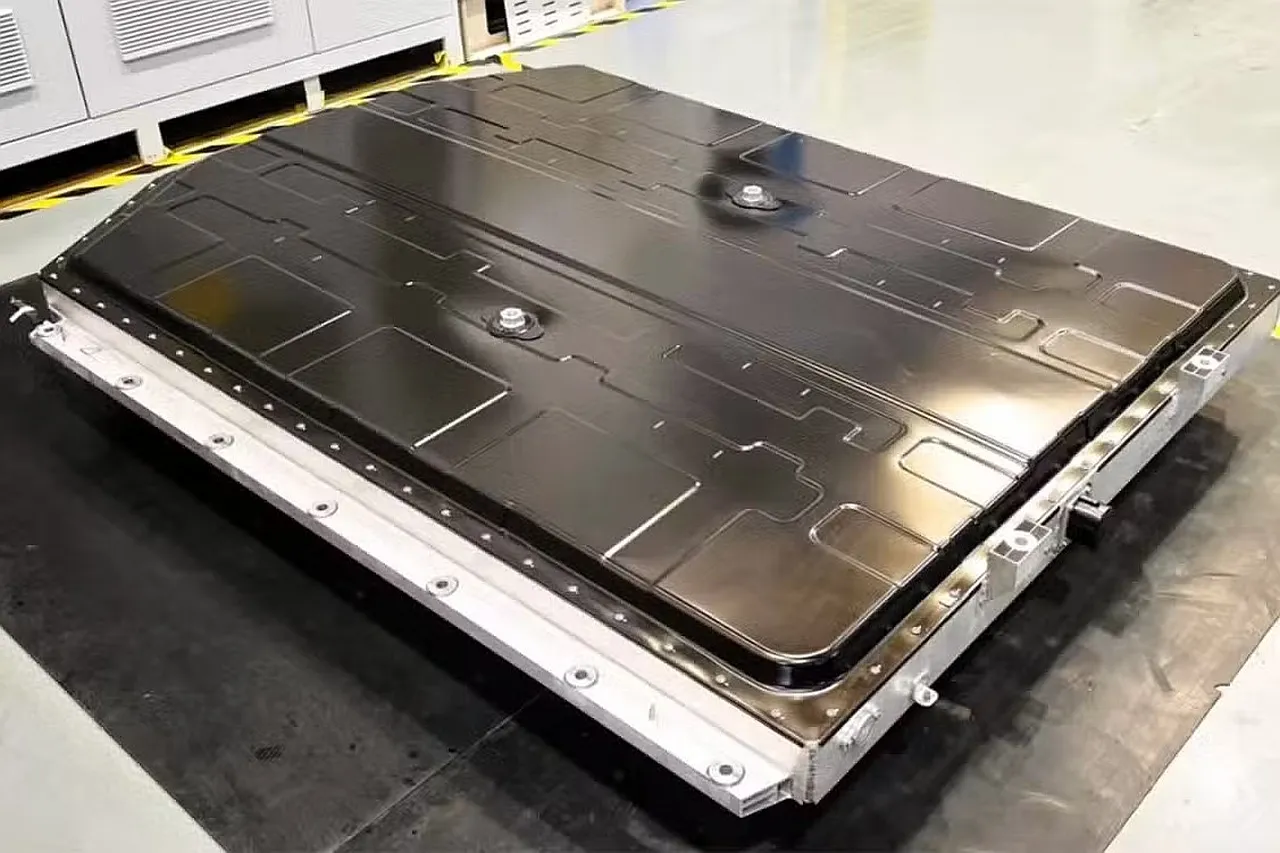
BAIC’s Na-ion Battery (c) BAIC
Another important addition that the European Union didn’t consider is including in battery degradation the situation of powering external devices (V2L) or other scenarios where energy is consumed despite no driving distance (e.g., overnight in a parking lot). Such situations should also be taken into account. Chinese regulations are quietly blocking inventions involving untested solid electrolyte cells, which may withstand high charging powers but degrade extremely quickly.
And the most interesting part: state television used an image of the Tesla Model Y as an iconic electric vehicle to illustrate the new regulations (source):
Article rating
Reader ratings
[Total: 5 votes Average: 5]
Don’t miss new content — CLICK and FOLLOW Elektrowoz.pl on Google News. You might also be interested in the following ads: