
China is driving the global standard for solid-state batteries. 0.5% of the mass is set to separate marketing from chemistry.
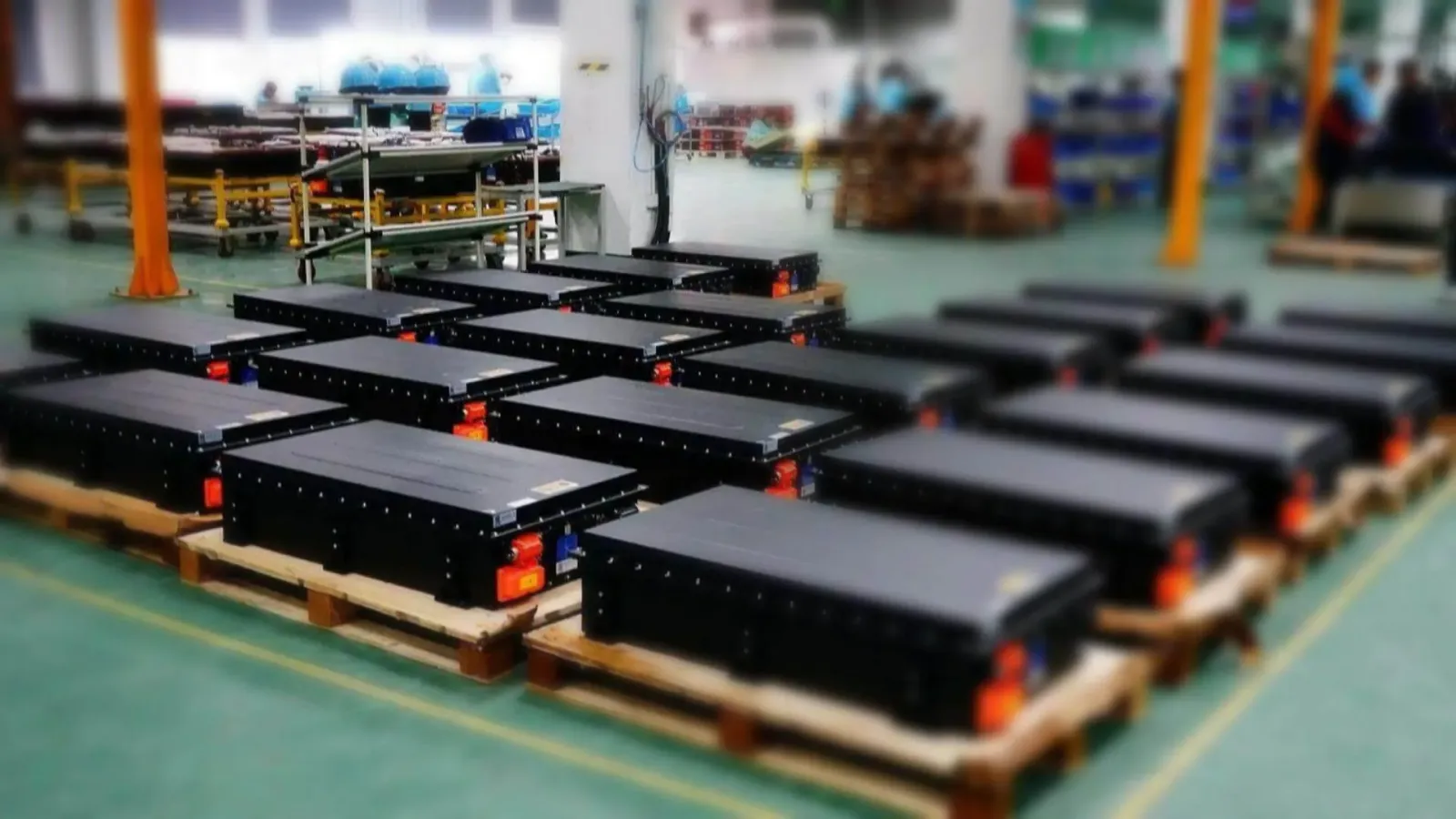
China has launched an international standardization pathway for solid-state batteries in electric vehicles, and simultaneously changed their taxation rules starting September 1, 2026. The most significant figure here is 0.5 percent, as this threshold for mass loss is intended to distinguish truly all-solid-state cells from those with liquid electrolytes. For EV drivers, this is a clear signal: not every “solid-state” battery listed will actually meet this standard in practice.
Table of Contents
Show
Hide
0.5 percent and the 120-degree Celsius test
On August 21, IEC accepted a proposal submitted by China for an international standard for solid-state traction batteries used in electric vehicles. The document in question is “Secondary lithium-ion cells for the propulsion of electric road vehicles, Application guide, test items, and conditions for solid-state batteries.” This acceptance does not mean a standard is ready yet. The development process is expected to take 24-36 months.
The requirements are specific. The cell must be dried in a vacuum chamber for 6 hours at 120 degrees Celsius. If it loses more than 0.5 percent of its mass due to the evaporation of volatile organic compounds, it will not be approved as an all-solid-state battery.
This is not a detail for laboratories. Some of the batteries sold today as solid-state are actually semi-solid designs, meaning they have an electrolyte that is partially solid and partially liquid. This is the case with the WeLion battery used by Nio, as well as the pack from QingTao used in the IM L6. So yes, the marketing name can remain, but the classification isn’t necessarily the same.
The working group includes China, France, Japan, and South Korea. The methodology relies on the same 0.5 percent threshold that China has already included in its national standard plan starting from December 2025.
Tax Starting September 1 and Incentives for Solid-State Batteries
Starting from September 1, 2026, China introduced a new consumption tax on products with lithium-ion batteries. The rate is 2 percent, and it is set to rise to 4 percent starting from September 1, 2027.
Solid-state batteries, sodium-ion batteries, and fuel cells have been exempt from this tax until December 31, 2028. However, there’s a catch: the term “solid-state” alone is not sufficient, as the regulatory classification determines the status of a specific product. It is here that the 0.5% threshold may start to pose problems for manufacturers of solid-state cells.
Pilot lines are expanding, costs remain exorbitant
Sunwoda reported that it achieved readiness for connections on a dedicated line for pilot production of solid-state cells in August. The facility has a designed capacity of 0.2 GWh per year. The company aims for 400 Wh/kg with its first-generation polymer solid-state chemistry and plans to conduct tests in vehicles by the end of 2026 and in 2027. For now, this is a development goal, not the result of mass production.
EVE Energy also showcased a prototype of the 60 Ah cell from its Longquan series. Previously, the company stated that the version for EVs would operate under a stack pressure of up to 5 MPa. Cells in the 20 Ah, 40 Ah, and 60 Ah sizes are also available, so the scale starts to resemble that of the automotive industry rather than a coin cell presentation for investors. However, capacity alone still does not prove readiness for mass production.
Results from stress tests have also been released. Gaoneng Digital reported that the 20 Ah cell, when pierced by a 4.0 mm steel needle at 100 percent SoC, did not experience thermal runaway or an open flame during 60 minutes of observation. Greater Bay Technology stated that the 40 Ah cell passed the nail penetration test per GB 38031-2025 at 100 percent SoC, maintaining a continuous 12 V output. These are data at the cell level, not for the entire pack or the vehicle after installation. That’s all.
The biggest hurdle is cost. Lithium hexaphosphorus pentasulfide chloride, a solid electrolyte, was priced at 4,300 yuan per kilogram in China in August, which is about $605/kg. For comparison, liquid electrolytes cost around 30–50 yuan/kg. This means the price is more than 80 times higher than the upper limit for conventional electrolytes.
Toyota and Idemitsu aim to commercialize all-solid-state batteries by 2027–2028, but broader adoption in vehicles still seems likely around 2030 or later. In short: standards and prototypes are advancing quickly, but mass production has not yet.
The most interesting aspect here isn’t who will show the first prototype, but rather who will pass the 0.5% test first and achieve a viable cost. Who do you think will win—the Chinese, Toyota, or someone else?
LovEV Newsletter
Want more content like this?
Sign up — we’ll send you a weekly summary once the newsletter starts.