
China has announced the 1+4 strategic plan: more electric vehicles, greater autonomy, a stronger economy, and increased influence on the world.
The Chinese ministries have announced the “15th Five-Year Plan for the Industrial Development of Intelligent and Connected New Energy Vehicles (ICNEV)”. Previous plans were released in 2012 and 2020, but this one goes much further in terms of optimizations and the adoption of new technologies. China aims to use every available means to strengthen its automotive industry on the world stage, while also beginning to establish regulations and standards.
The Great March under the Great Red Flag
China is not considering supporting the further adoption of electric vehicles today, as the development of the new energy vehicle market (NEVs, including electric and plug-in hybrids combined) has surpassed even the most ambitious projections. As recently as 2020, it was estimated that NEVs would account for 20 percent of new cars by 2025, yet that 20 percent threshold was crossed in 2022, and by 2025 it had reached nearly 48 percent (with peaks above 50 percent). Conventional internal combustion engine vehicles have already lost the battle for the passenger car market and are now gradually losing ground in heavy transportation as well.
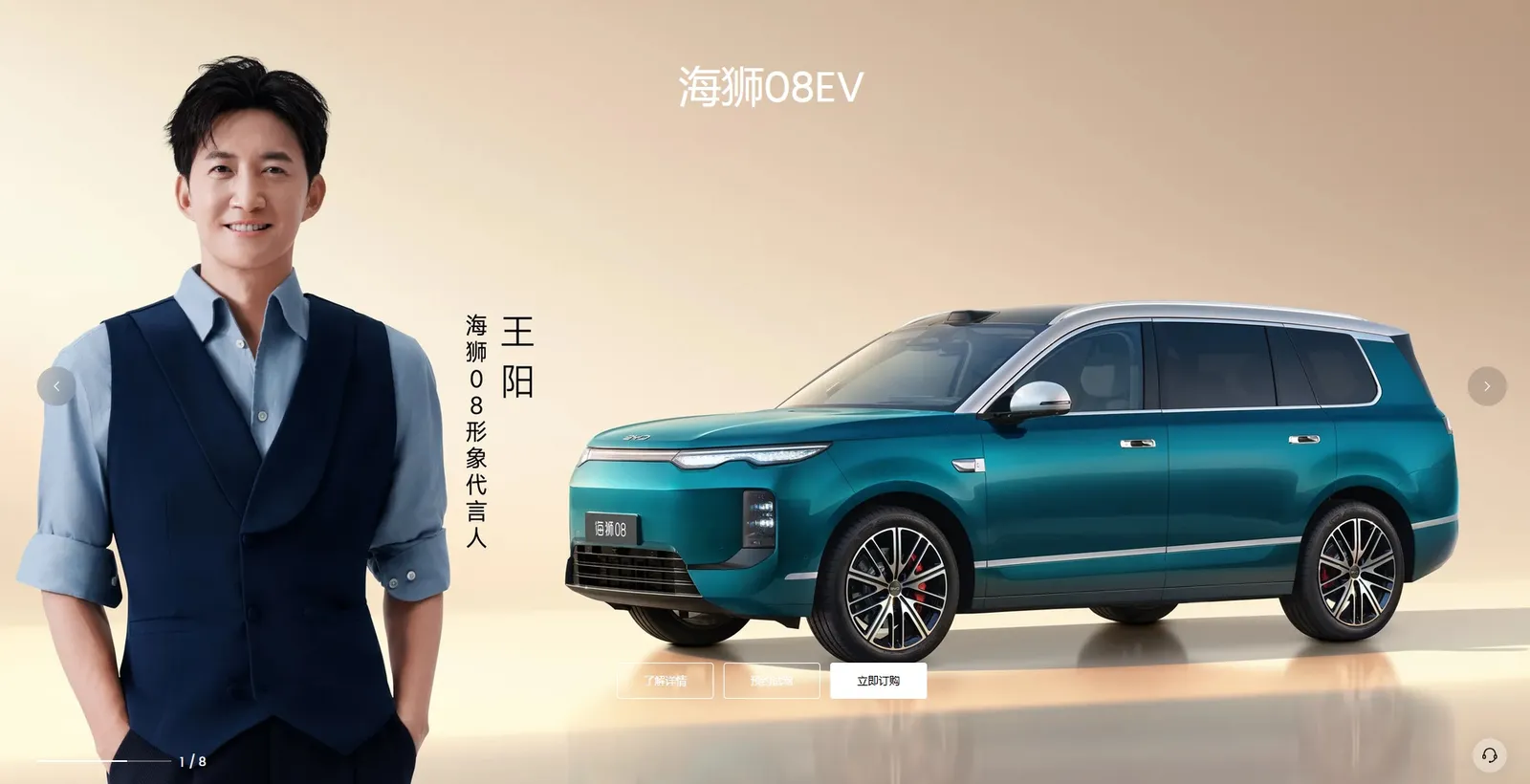
BYD Sealion 08 EV, BYD’s large (5.12 meters long) electric SUV with a battery capacity of 115.1 kWh (c) BYD
That is why China is focusing on development in the NEV sector. It plans to support “improving key technologies” so that the average fuel consumption of passenger cars is around 3.3 liters per 100 CLTC units, while the average energy consumption of electric vehicles is around 11.5 kWh per 100 units (respectively, about 4.2 liters per 100 km and 14.7 kWh per 100 km in real terms). This will be aided by high levels of autonomy for vehicles on expressways (including within cities) and certain urban roads (source).
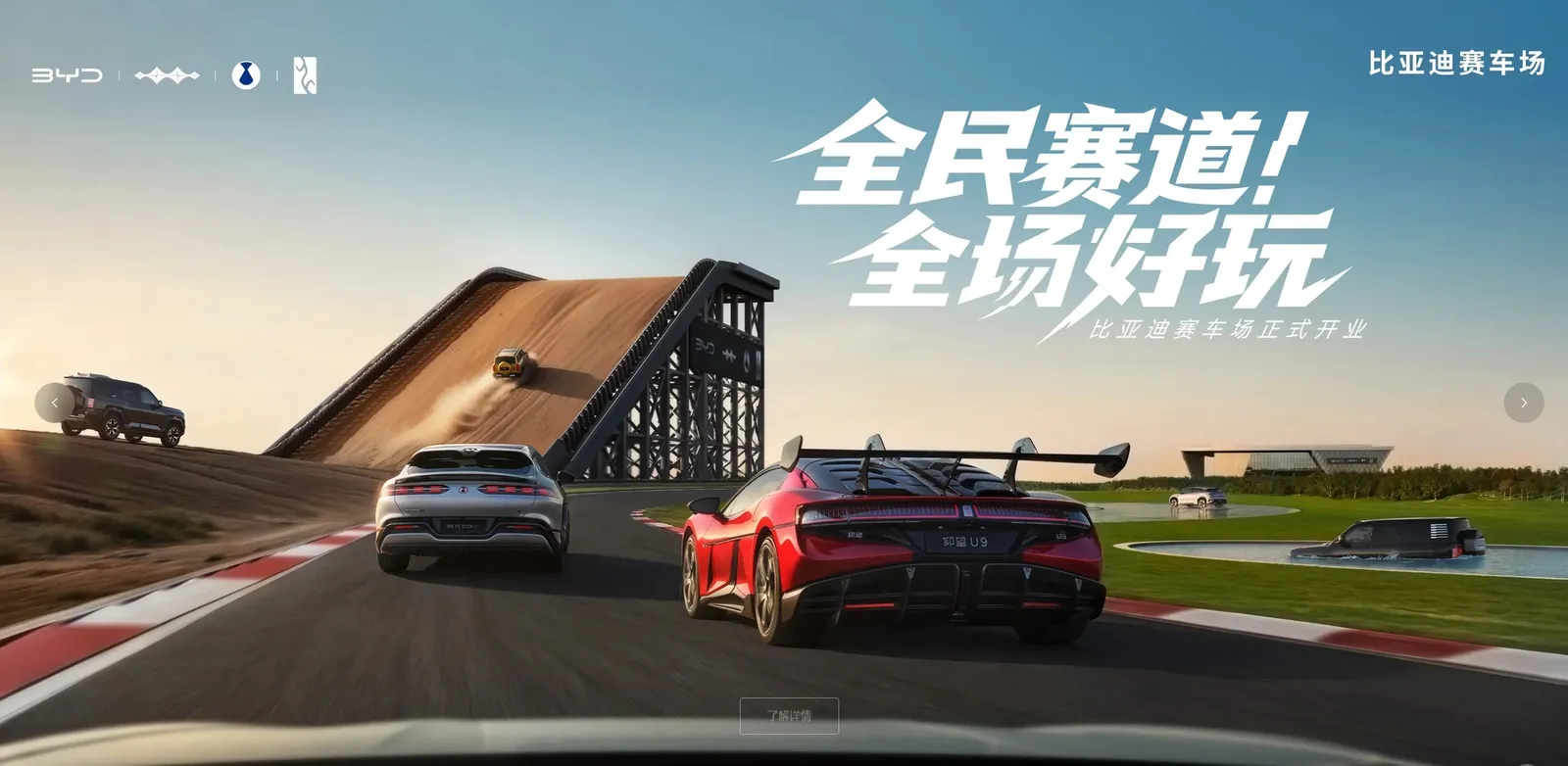
BYD’s high-profile brand “race”: Denzy, Yangwang, Fangchengbao
The automotive industry is set to be optimized, with operational efficiency expected to increase by 15 percent compared to the 2025 level (!). Several Chinese automakers are poised to enter the world’s TOP10 (source), while even more Chinese parts suppliers will make it into the global TOP100. China plans to expand internationally, improve the perception of Chinese brands, and enhance its influence in shaping international standards and regulations. The automotive industry is intended to become one of the pillars of the national economy, while also accelerating the transition to zero- and low-emission supply chains.
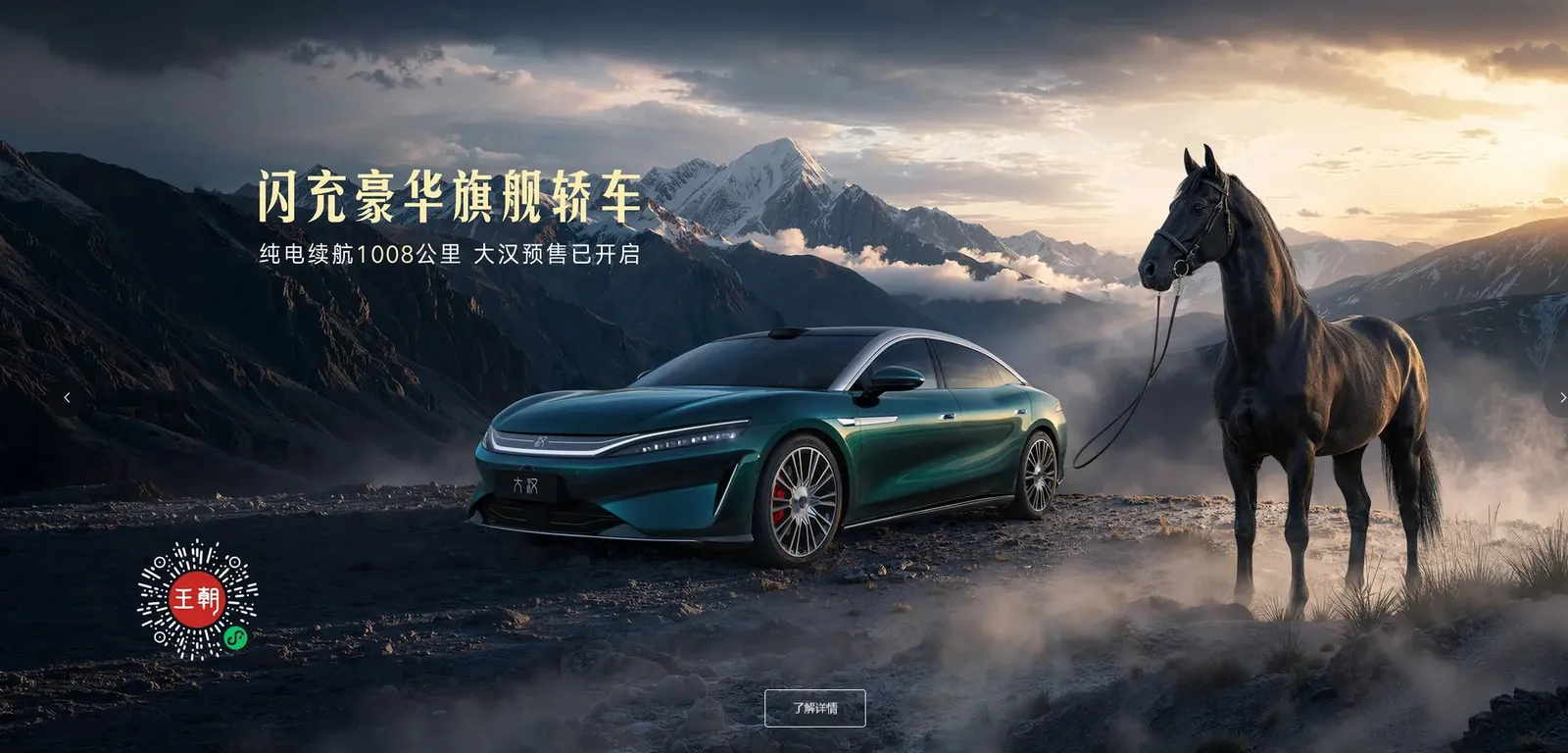
BYD Dahan, also known as BYD Great Han, is the largest limousine in BYD’s lineup (5.26 meters long with a wheelbase of 3.13 meters), equipped with a battery having a capacity of 102.3 kWh (c) BYD
Article Rating
Reader Ratings
[Total: 4 votes Average: 4]
Don’t miss new content — CLICK and FOLLOW Elektrowoz.pl on Google News. You might also be interested in the following ads: