
China rejects export limits on hybrids to the EU. Brussels seeks new leverage after EV tariffs
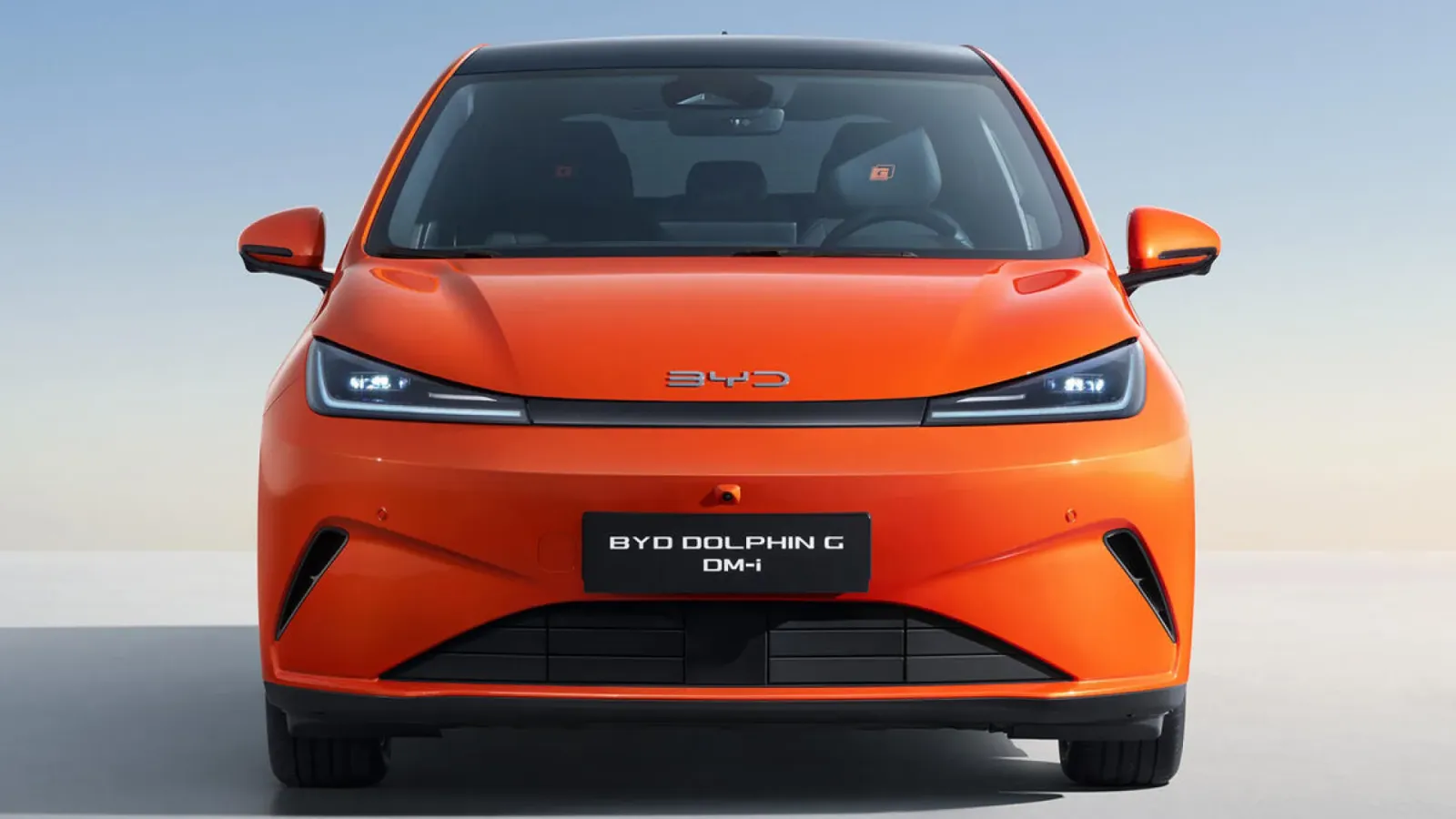
The Chinese Ministry of Commerce criticized the idea of voluntary export limits on hybrids to the EU, stating that such a measure violates WTO rules. The statement came on September 18, a day after the Financial Times reported that Brussels wants to restrict imports of Chinese hybrids or impose higher tariffs.
This is an important signal for drivers and brands in Europe. After electric vehicles, hybrids, which have so far gone unnoticed, are now also under scrutiny.
China: “Voluntary” limits violate WTO rules
A spokesperson for China’s Ministry of Commerce said outright that the so-called voluntary export restrictions “seriously violate WTO rules” and are contrary to market principles and fair competition. Beijing “firmly opposes them.”
The Chinese side also added that any agreement with the EU must balance the interests of both sides, comply with WTO rules and domestic law, and take into account industries on both sides. Diplomatically speaking, the meaning is simple: it doesn’t look like there will be a quick deal.
According to the Financial Times, the EU wants China to curb its exports of hybrids to Europe on its own. If not, higher tariffs are in play. The goal is to limit deindustrialization and encourage Chinese manufacturers to invest more in Europe or form partnerships with local companies.
Hybrids Have Grown Amid Tariffs on Electric Vehicles
The background is quite clear. In October 2024, the EU imposed additional compensatory tariffs on electric vehicles produced in China. Along with previous fees, this brought the total tariff to around 45 percent at the highest rate. Hybrids still only face a 10-percent tariff.
The impact? Imports of BEVs from China into the EU grew moderately, while hybrids saw a sharp increase. According to data cited by Financial Times, imports of Chinese hybrids into the EU rose from 3,800 vehicles in October 2024 to 50,000 in July 2026. Average prices also fell during the same period. And it was this that most alarmed Brussels.
It’s undeniable — this looks like a classic shift in demand from one category to another. If doors are closed for BEVs, manufacturers look for opportunities in PHEV and HEV vehicles.
The second issue is broader and relates to the entire Chinese automotive industry. In August 2026, car exports from China increased by 65.3% year-on-year to 1.01 million units. Of these, exports of electrified NEV vehicles totaled 526,000 units, accounting for about 52.1% of the total and showing a year-on-year increase of around 130%.
Meanwhile, China’s domestic NEV sales dropped by 4.6 percent year on year. This explains why foreign markets are so important to Chinese brands today. It’s no longer about prestige; it’s about volume.
If the EU truly moves toward imposing tariffs on hybrids, some brands may accelerate local production in Europe, while others will raise prices. Which scenario do you think is more likely: factories in the EU or simply more expensive PHEVs from China?
LovEV Newsletter
Want more content like this?
Sign up — we’ll send you a weekly summary once the newsletter starts.