
China wants solid-state batteries on a large scale by 2030. CATL is tempering expectations.
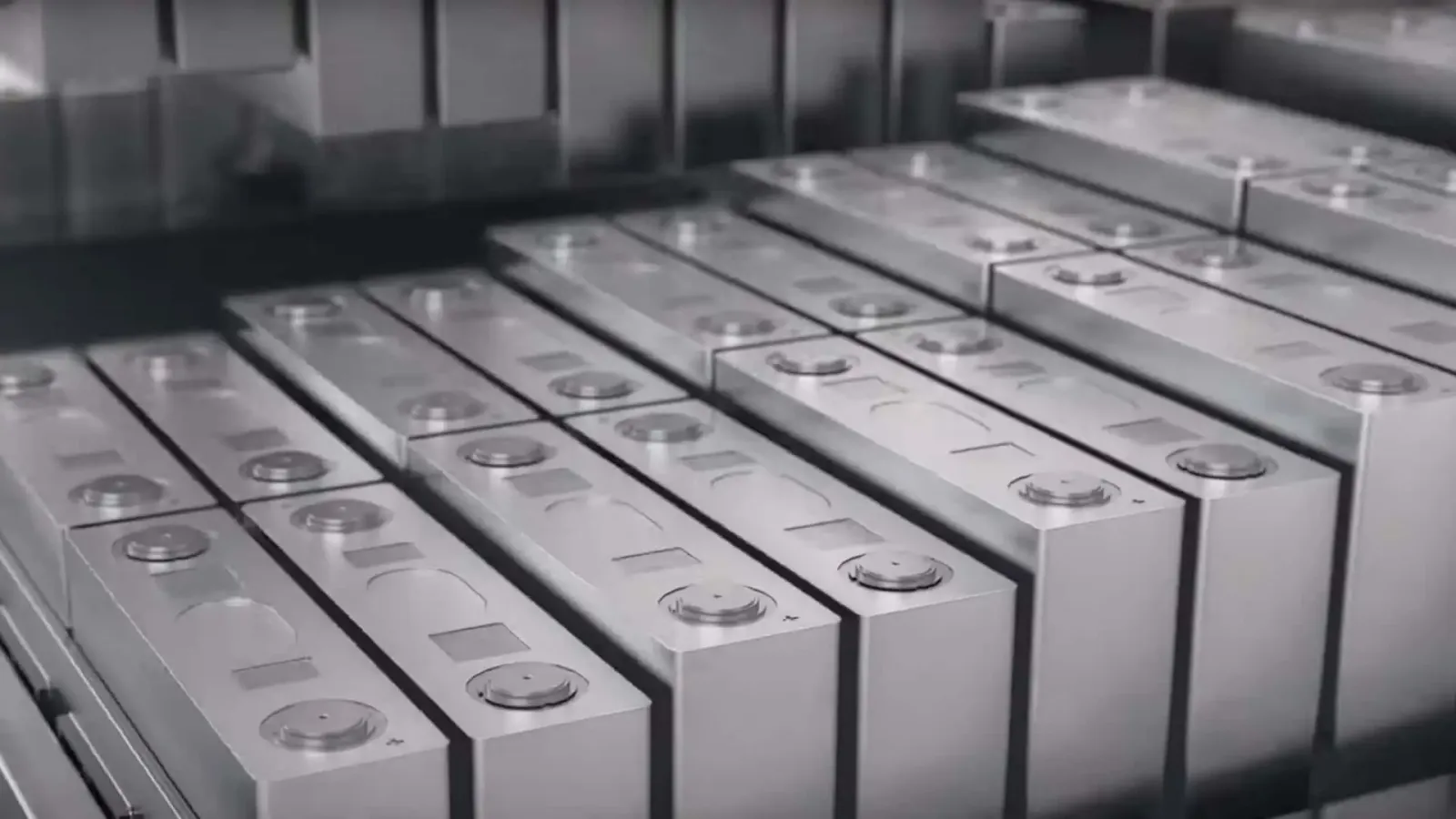
At the end of September, China included widespread adoption of solid-electrolyte batteries in its industry development plan for 2026-2030. However, CATL rates the readiness of this technology at only 4 out of 9 points, with mass production of inexpensive battery packs remaining a distant goal.
The new roadmap aims to transfer China’s advantage in traditional lithium-ion batteries to the next generation. By 2030, solid-state batteries are expected to be produced and used on a large scale, but even China’s Ministry of Industry and Information Technology acknowledges that lower costs, more stable materials, improved performance, and new manufacturing processes are still needed.
The ministry also points to a lack of innovation and an imbalance between supply and demand in the current battery industry. Massive factories and research capabilities give China a strong starting point, but they do not solve engineering challenges.
CATL will start in 2027, but on a small scale
Robin Zeng, CATL’s president, rated solid-state technology at 4 out of 9 back in the summer, with 9 indicating readiness for mass production. The company plans to begin limited production in 2027, but transitioning to much larger volumes will be difficult.
Zeng does not expect such cells to be used in millions of cars before the end of the decade. Cost and performance remain obstacles, so 2030 seems more like the beginning of broader adoption rather than when solid-electrolyte batteries will become an industry standard.
Robert Lee, president of LG Energy Solution’s North American division, expresses similar caution. He highlights the difficulties in producing large solid-state cells and predicts that the first widespread applications will appear outside of electric vehicles.
Semi-solid batteries are not yet solid-state
Chinese vehicles already feature semi-solid batteries that still contain a certain amount of liquid electrolyte. However, these do not prove that fully solid-state designs are ready. BloombergNEF forecasts that by 2035, solid-electrolyte technology will account for only 10% of the total global demand from electric vehicles and energy storage systems.
The Chinese plan also includes sodium-ion and flow batteries, improved safety, operation across a wider temperature range, and better production quality. A separate goal focuses on long-lasting lithium batteries that can withstand 15,000 cycles, though the document does not attribute such durability to solid-state cells.
Government plans in China can translate into factories and orders. Between 2021 and 2025, the country increased its share of global electric vehicle production to 70%. This time, the tougher task won’t be developing the first solid-state battery but integrating it into millions of vehicles that still maintain a reasonable price.
LovEV Newsletter
Want more content like this?
Sign up — we’ll send you a weekly summary once the newsletter starts.
