
Chinese cars will not enter US military bases. Poland also has restrictions.
In the article:
- Why did the U.S. military ban BYD vehicles from entering a strategic base in Japan?
- What restrictions apply to owners of Chinese cars in Poland?
- Modern cars are becoming a new challenge to national security.
Chinese cars as a security issue
Until recently, discussions about cars from China focused mainly on prices, build quality, and expansion rates. Today, a completely different topic is emerging more frequently. It concerns data security and the risks associated with advanced electronics installed in modern vehicles.
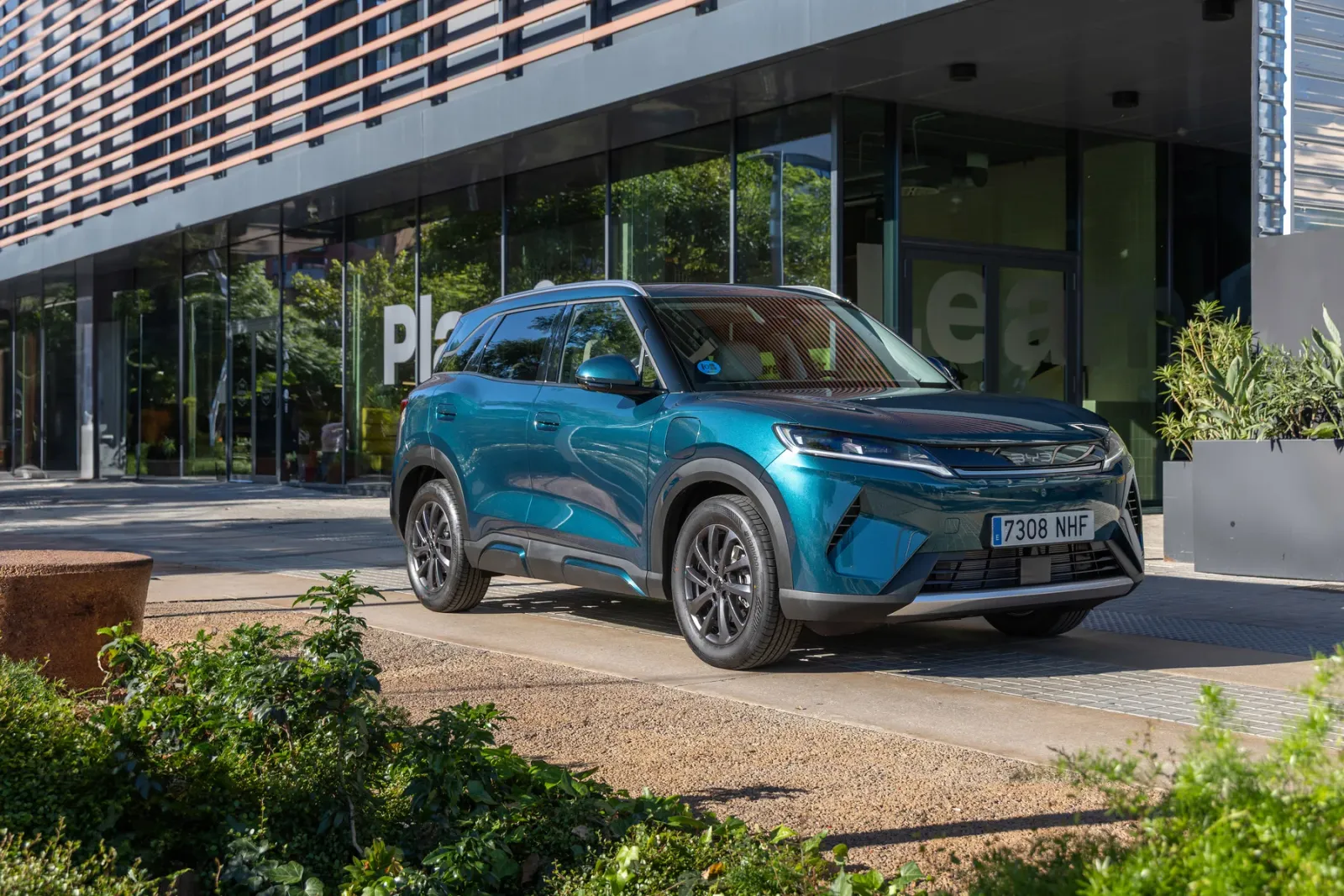
The latest example is the decision by the U.S. military in Japan. According to The Guardian, a ban on vehicles produced by BYD, the world’s largest electric vehicle manufacturer by sales volume, has been implemented at Kadena Air Base in Okinawa. The restrictions apply not only to private cars owned by personnel but also to taxis and delivery vehicles.
Colonel Alli Stormer, spokesperson for the 18th Wing of the U.S. Air Force, said, “These vehicles pose an unacceptable and minimizable risk to our personnel and ongoing missions.” Such strong words indicate that the issue goes far beyond ordinary economic competition.
Cameras, sensors, and GPS raise concerns
The U.S. military did not specify a particular threat, but The Guardian, citing South Korea’s Yonhap news agency among others, reports that concerns relate to potential information leaks through cameras, sensors, and GPS tracking systems installed in modern vehicles.
In practice, modern cars function like computers on wheels. They are equipped with 360-degree cameras, online communication systems, telemetry modules, and remote update capabilities. This poses new challenges for agencies responsible for securing strategic facilities, especially when these vehicles appear in locations of military significance.
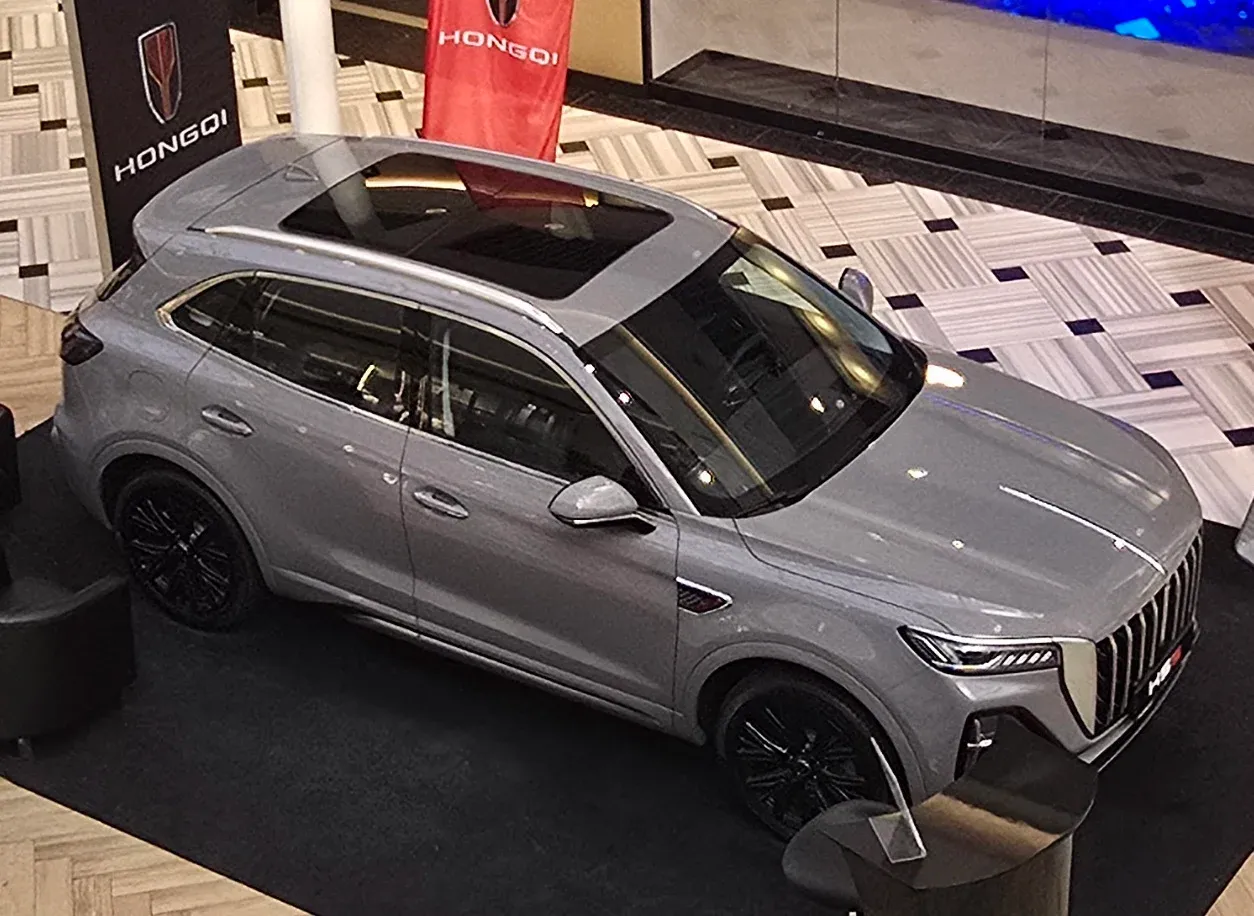
It is undeniable that the decision regarding BYD is part of Washington’s broader policy or geopolitics toward Chinese technology. In June, the Pentagon added BYD to a list of 188 Chinese companies that, according to the U.S. administration, have ties to China’s military sector. Nio, Alibaba, and Baidu are also on this list, reports The Associated Press.
Poland has already implemented similar restrictions
The scenario at Kadena might seem distant, but similar actions are being taken in Poland. As we recently reported on Elektromobilni.pl, during All Saints’ Day, drivers using the military parking lot near the Osobowice Cemetery in Wrocław must prepare for extra inspections.
Vehicles from many Chinese brands, including BYD, MG, Geely, Omoda, Jaecoo, Chery, Nio, Xpeng, and Zeekr, are not allowed on the premises of the Center for Training of Engineering and Chemical Forces. The restrictions also apply to vehicles manufactured in China regardless of brand, as well as some cars from brands that are financially linked to Chinese manufacturers.
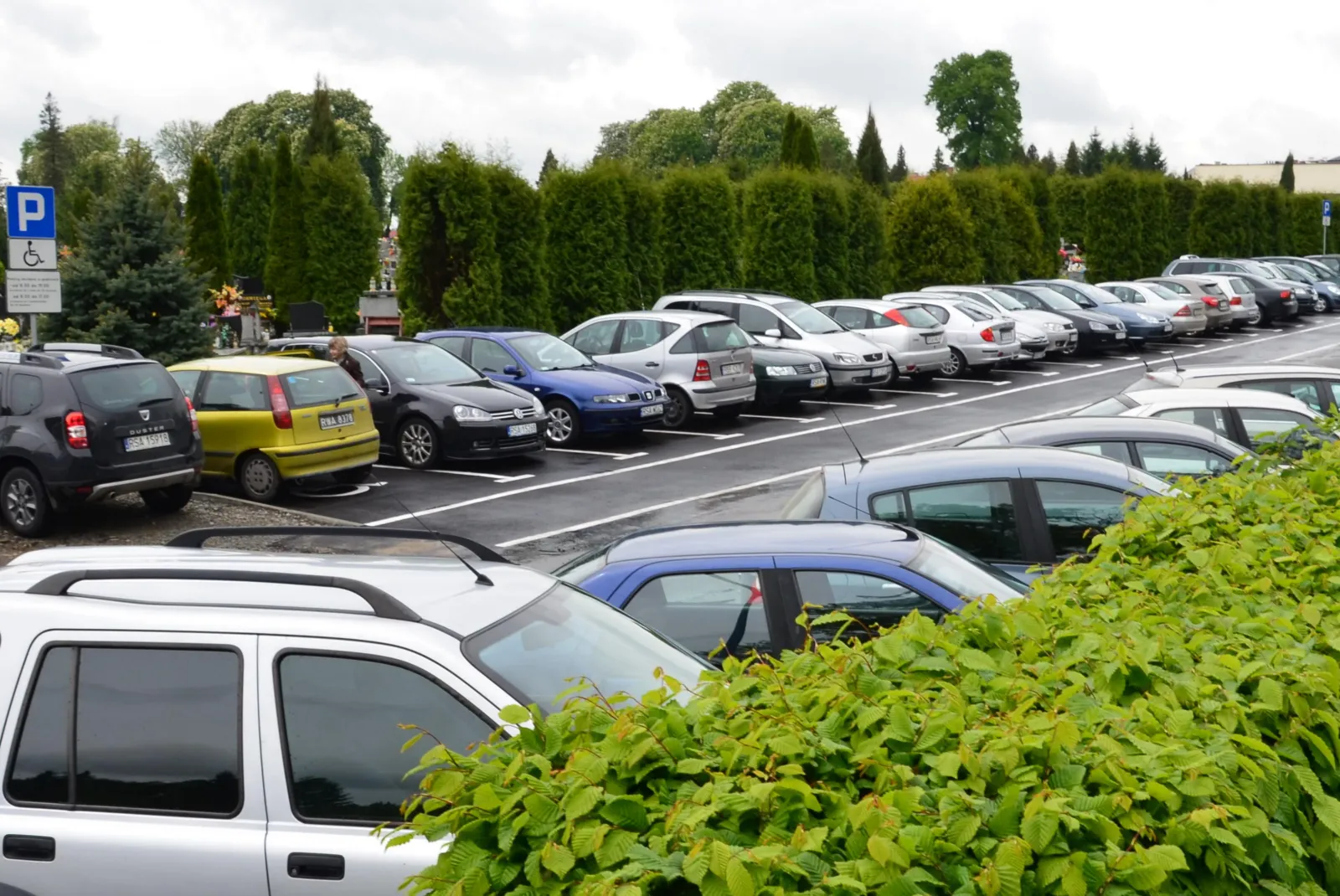
Not only the vehicle brands were checked, but also the VIN numbers that determine the car’s place of production. Drivers must also cover or remove devices that record images, including dashcams and onboard cameras.
According to the Wrocław City Hall, the restrictions stemmed from regulations concerning the protection of strategic and military facilities. The statement emphasized that “due to the difficult geopolitical situation, strategic and military sites are under protection.”
More Chinese cars mean a bigger problem for authorities
In light of this, the issue becomes particularly significant as “made in China” vehicles account for an increasingly larger share of the Polish market. According to data from the SAMAR Automotive Market Research Institute, in 2023 alone, Chinese brands had hundreds of registered units. By the first half of 2026, their number exceeded 39,500 vehicles.
This means that restrictions on cars produced in China will affect an increasingly large group of drivers. At the same time, security agencies face the dilemma of how to balance market openness with protecting strategic facilities.
It’s not just the US that fears modern cars
Interestingly, China has also taken similar retaliatory actions. Recall that as early as 2021, Beijing restricted the use of Tesla cars in certain government facilities and areas related to national security. The reason was concern over cameras installed in vehicles from this American manufacturer. These restrictions were later eased after Tesla received support from China’s automotive industry.
This shows that the dispute is not limited to U.S.-China relations. Modern vehicles are increasingly viewed as part of digital infrastructure rather than merely means of transportation.
Oskar Włostowski