
Chery’s Chinese SUV received zero stars. Other Chinese cars are getting five stars.
In the article:
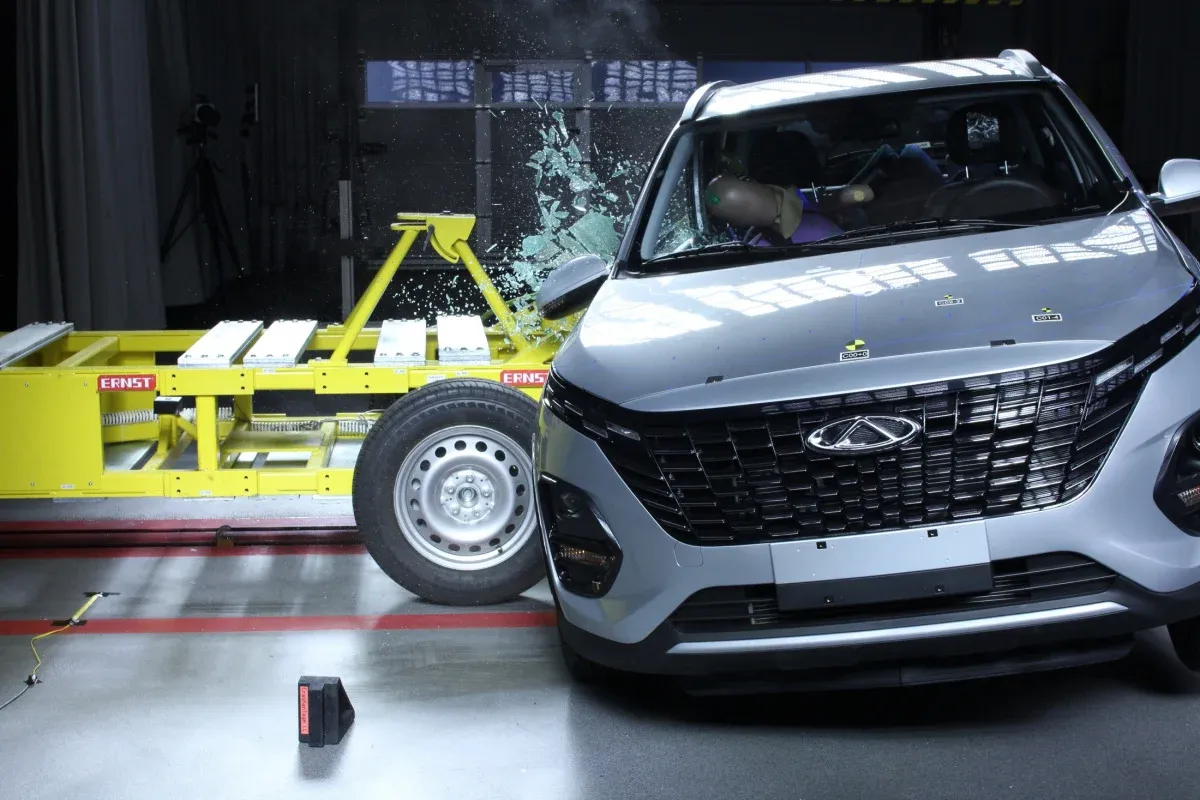
The Chery Tiggo 2 received zero stars in its first test under the new Latin NCAP rules.
In 2026, the Aion UT, Geely E2, and Leapmotor B05 each earned five stars from Euro NCAP.
One of the biggest recent failures in Europe was the Dongfeng Box, which suffered from failed body welds during testing.
Latin NCAP, the safety assessment program for new cars in Latin America and the Caribbean, released the first results under the stricter rules effective from 2026. The debut of these new procedures turned out to be particularly bad for Chery.
The Tiggo 2, also available in certain markets as the Tiggo 2 Pro and Tiggo 2 Pro Max, received zero stars. The car tested was manufactured in China and came standard with four airbags and an electronic stability control system.
The partial results are even more telling. Adult protection was rated at 0 percent, child protection also at 0 percent, pedestrian and other unprotected road users protection at 48.89 percent, and safety assistance systems at 45.45 percent.
A zero percent rating does not mean the car provided no protection at all. For example, the driver’s and passenger’s heads and necks were well protected during a frontal collision. However, much more serious issues dragged down the overall category score to zero.
Unstable body structure and fire risk
After the frontal collision, Latin NCAP deemed the body structure and footwell unstable. The driver also experienced high chest deformation, which resulted in a poor rating for protection of this body part.
Another, even more concerning issue has emerged – the organization identified a fire risk after a collision. Latin NCAP noted that the danger affects not only passengers but potentially also rescuers working on the crashed vehicle.
The Tiggo 2 also lacks standard airbags to protect the head. As a result, a side impact test against a pillar was not conducted, causing the vehicle to lose additional points. The rear section was missing belt tensioners and tension limiters.
The child safety performance was also very poor. The dummy representing a ten-year-old experienced high forces on the head and neck, and during a side impact test, the three-year-old child’s head was at risk of contacting the interior, posing a risk of partial ejection from the seatbelt.
On top of that, the car does not even offer optional systems such as automatic emergency braking, blind spot monitoring, or lane keeping assist.
This is not the Chery we buy at Polish dealerships
However, a very important caveat is needed here. The Tiggo 2 is not part of Chery’s official Polish lineup. The brand’s current offerings in Poland include the Tiggo 4, Tiggo 7, Tiggo 8, and Tiggo 9. These vehicles were developed with the European market in mind, and it’s not appropriate to apply the performance of the Latin American Tiggo 2 to the other models just because they have the same logo on the hood.
The smallest Chery Tiggo 4 available here received four stars from the European New Car Assessment Programme (Euro NCAP) in 2025, which is Europe’s vehicle safety testing program. Adult protection was rated at 79%, children at 85%, unprotected road users at 78%, and safety assist systems at 80%.
Chery made a mistake in Europe. It later corrected it.
In July 2025, the Tiggo 7 and its related model, the Tiggo 8, initially received four stars each from Euro NCAP. The reason was not a weak overall vehicle structure but an issue with the air curtain.
During the side impact test, the air curtain in the Tiggo 7 failed to deploy properly and did not provide full protection for passengers in the back. Chery was given the chance to improve the mounting method of this component, but during the next test, the airbag again did not function correctly—this time it detached from its roof attachment.
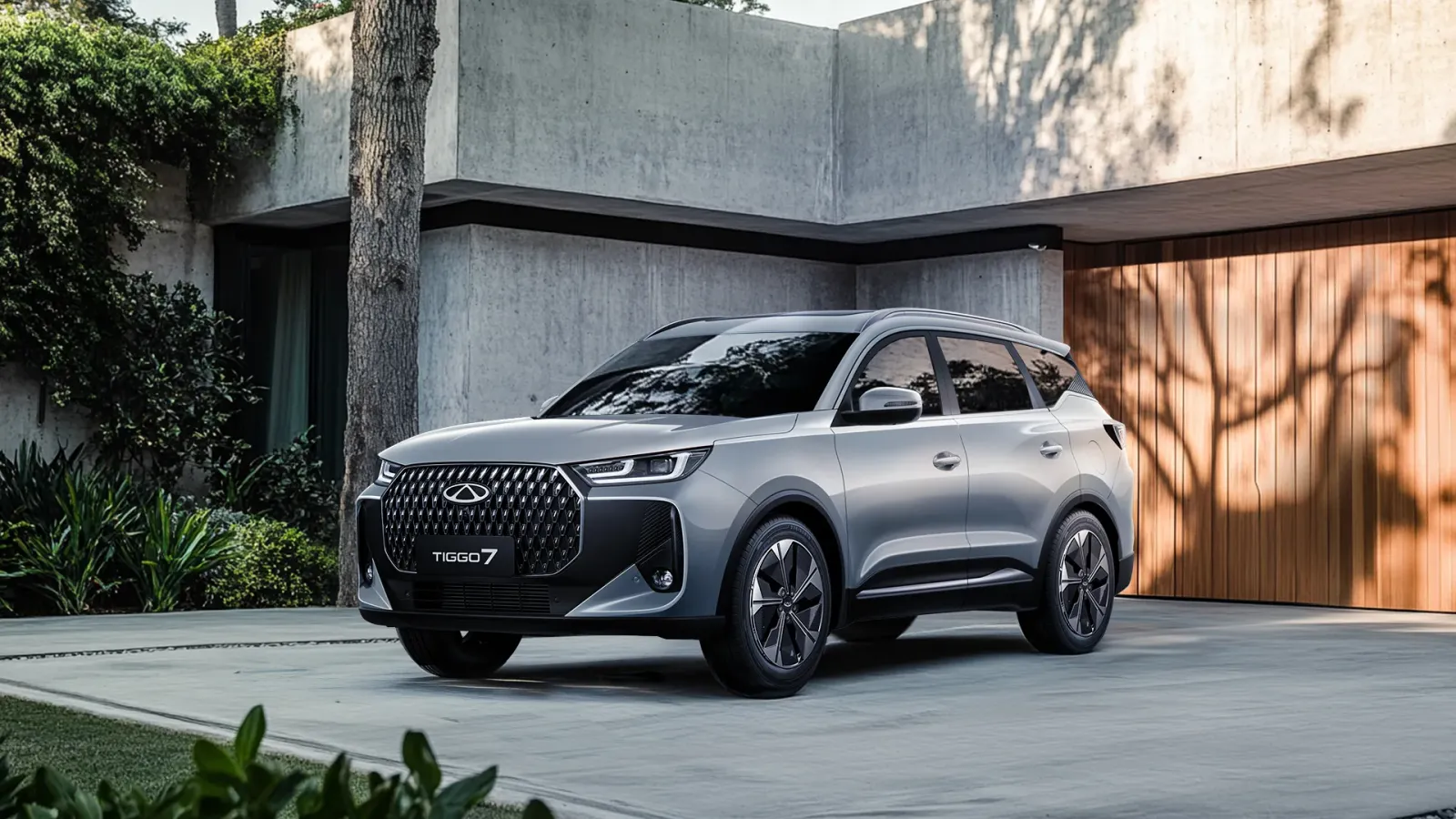
Euro NCAP openly expressed concerns at the time about the reliability of the solution. The manufacturer improved the design, and a few months later, the vehicles were tested again. In October 2025, the Tiggo 7 and Tiggo 8 received five stars each after reevaluation.
This is a interesting example of why such tests are conducted. The flaw was identified, the manufacturer had to respond, and the effect of the fix was verified once more through an independent test.
Chinese cars can earn five stars
Just a few years ago, a poor score for a Chinese car in a crash test was not particularly surprising. Today, the situation is different.
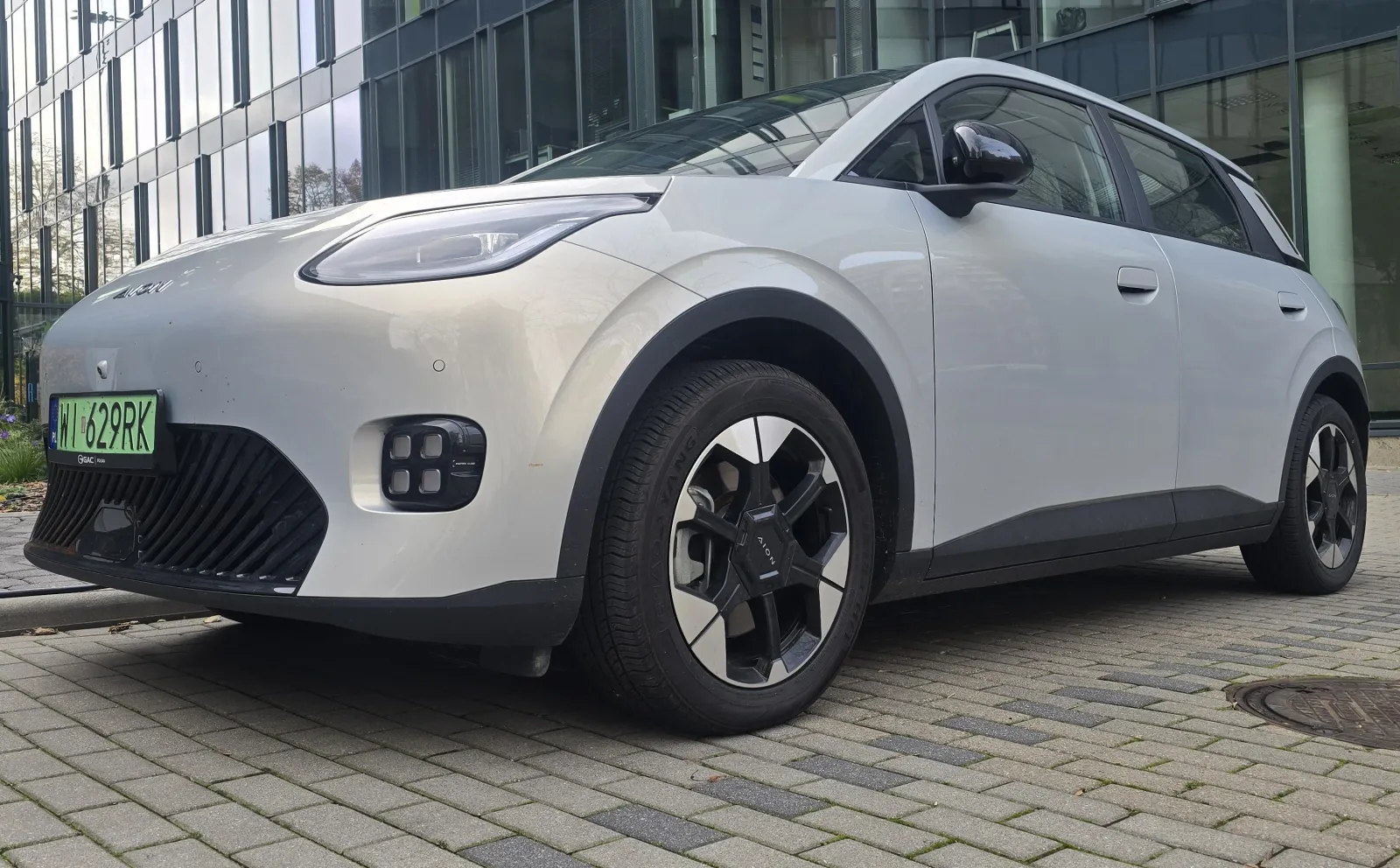
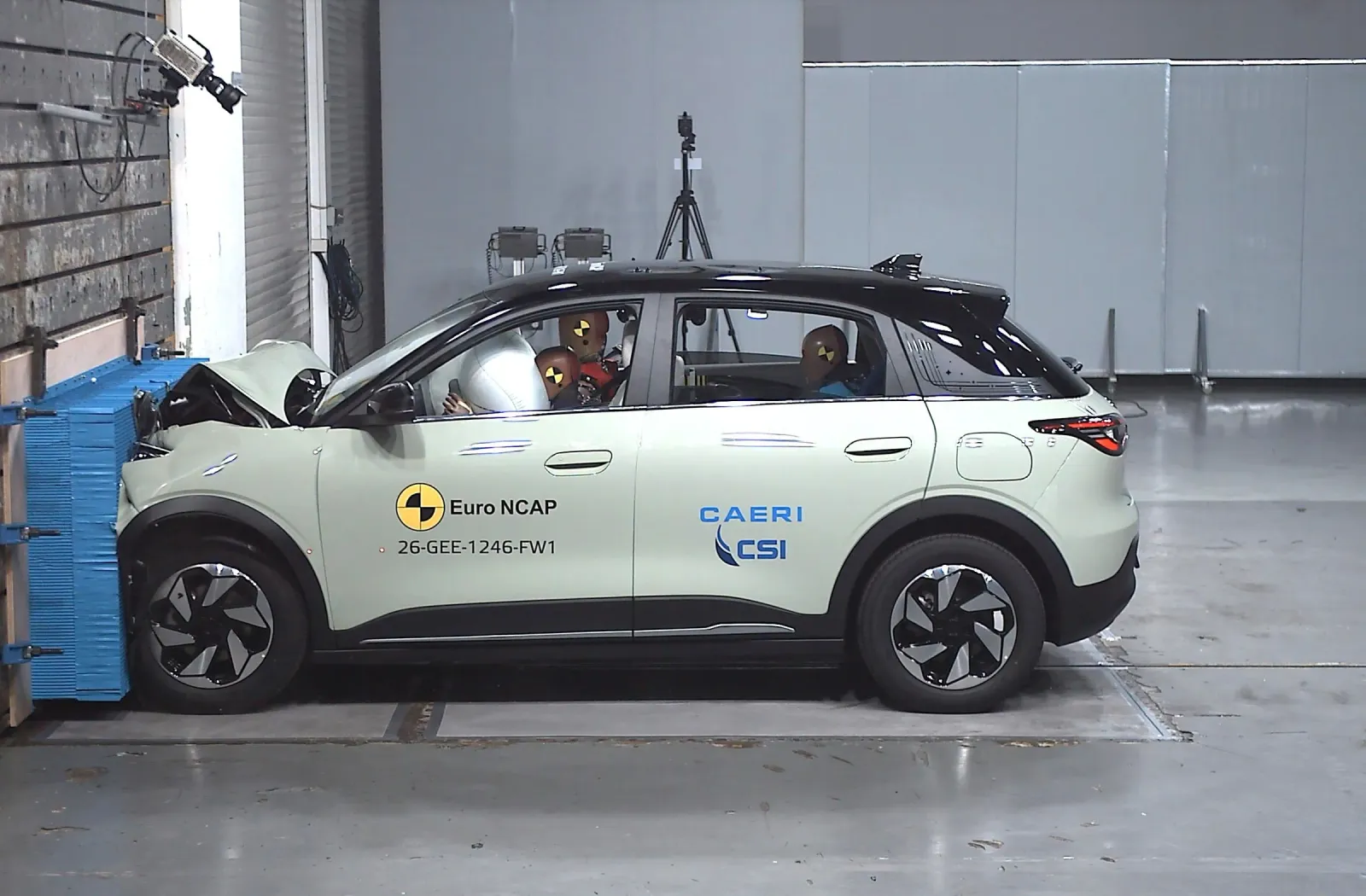
In September 2026, Euro NCAP released the first results for several models tested under this year’s significantly stricter procedures. Three vehicles from Chinese manufacturers – Aion UT, Geely E2, and Leapmotor B05 – all received five stars.
Aion UT from GAC achieved a score of 91 percent in the new collision protection category, while Leapmotor B05 scored 92 percent. The latter received top ratings, including in side impact tests against barriers and pillars.
These are no longer just good results achieved simply because the car has a long list of electronic assistants. Chinese models can also perform very well in terms of protecting passengers.
One year earlier, the BYD Sealion 7 received five stars, among others. In side impact tests, protection for all the most vital body parts was rated as good, earning the car the maximum score in this category.
Staggering failures still occur
At the other extreme is the Dongfeng Box, a small electric hatchback also available in Europe. In October 2025, the car received only three stars from Euro NCAP. Even more concerning than the star rating itself was the outcome of the frontal impact test.
After the collision, inspectors found that several spot welds at the base of pillar A had failed. Euro NCAP determined that this compromised the structural integrity of the vehicle and could limit its ability to withstand further loads.
That’s not all. The driver’s airbag did not have sufficient pressure to prevent the head from hitting the steering wheel, and the doors remained locked after the impact, which could hinder rescuers from extracting passengers.
The Dongfeng Box scored 69% for adult protection, 81% for child protection, 67% for protection of vulnerable road users, and 77% for assistive systems. While the overall scores were not catastrophic in every category, the structural issues were among those one definitely does not want to see after a crash test.
Latin NCAP and Euro NCAP
The number of stars awarded by Latin NCAP should not be directly compared to those from Euro NCAP. The organizations use different procedures and criteria, and the rules also change from year to year. Five stars from one program are not a mathematical equivalent to five stars from another.
Something else is more important: the rating applies to a specific vehicle, in a particular specification, and intended for a specific market.
Importing from another market? Extra caution is needed here.
This becomes increasingly important as private and parallel imports of cars from outside Europe grow in popularity.
The car may look almost identical to the model officially available in the European Union, yet it could have a different number of airbags, different seat belts, the absence of certain assist systems, modified structural elements, or different software.
Therefore, when considering an attractive offer for a car imported from China, South America, or the Middle East, it’s worth checking not only the model name. The market for which the specific vehicle was made, the year of production, and the exact trim level are also important.
Piotr Sobczyk