
Chinese MIIT: The path to Li-ion cells with even higher capacity lies in Mn, Si, solid-state, and Li-metal
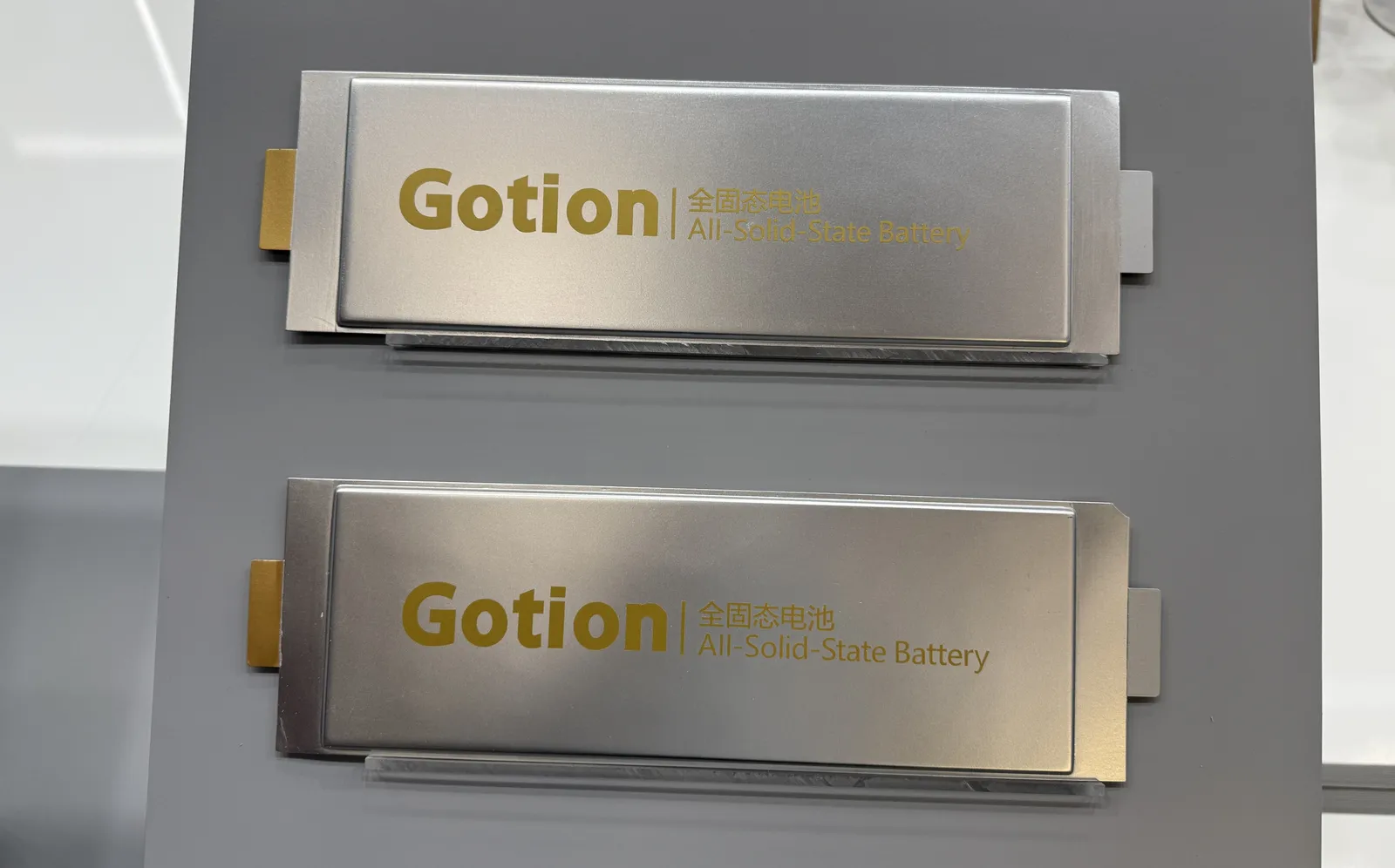
The Chinese Ministry of Industry and Information Technology (MIIT) has identified three areas in which domestic manufacturers should develop lithium-ion batteries to offer consumers even higher energy densities. These are: 1/ high-manganese cathodes (LMR), 2/ silicon-based anodes, and 3/ solid electrolytes. The latter will enhance battery safety, enable higher charging speeds, and result in lithium anodes with the highest available energy density.
China points out the path forward
The use of cathodes with high manganese [and lithium – red.] content allows companies to become partially independent from expensive cobalt and fairly costly nickel. Cathodes containing over 50-60 percent manganese (around 10-20 percent in Li-NCx) face degradation issues, which is why manufacturers previously favored higher nickel content. However, manganese is now showing increasingly promising results (source). Additionally, it enables the use of higher charging voltages, resulting in faster energy replenishment — at the cost of accelerated degradation.
On the other hand, reducing voltages to the Li-NCx level places the energy density of LMR cells just below that of Li-NCx (NCM811), around 0.28 kWh/kg, with costs similar to those of LFP.
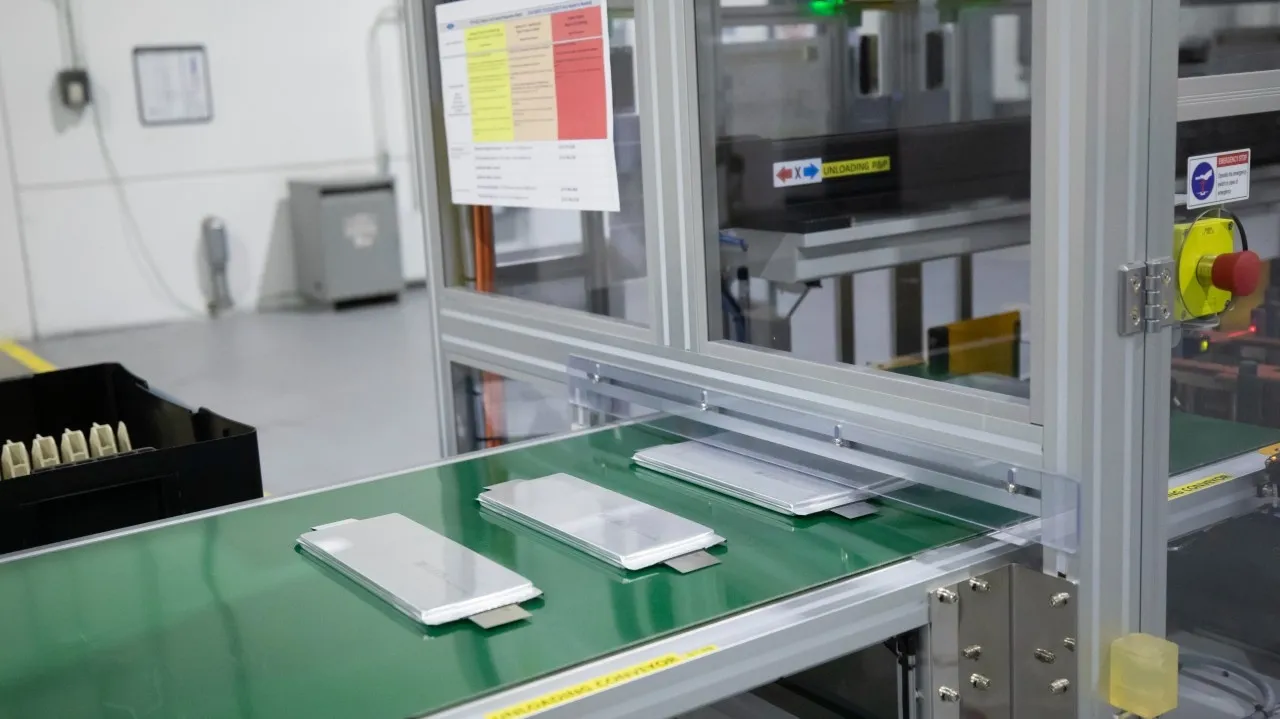
Ford’s Prototype LMR Cells
An equally important development path is optimizing anodes to achieve as high a silicon content as possible. Silicon can hold many times more lithium ions (atoms) than graphite, which automatically results in higher capacity. The problem with such anodes is swelling and rapid degradation; as lithium ions penetrate the structure, they break the bonds that hold the silicon structure together. The advantages? Potential energy densities exceeding 0.3 kWh/kg and even reaching up to 0.45 kWh/kg.
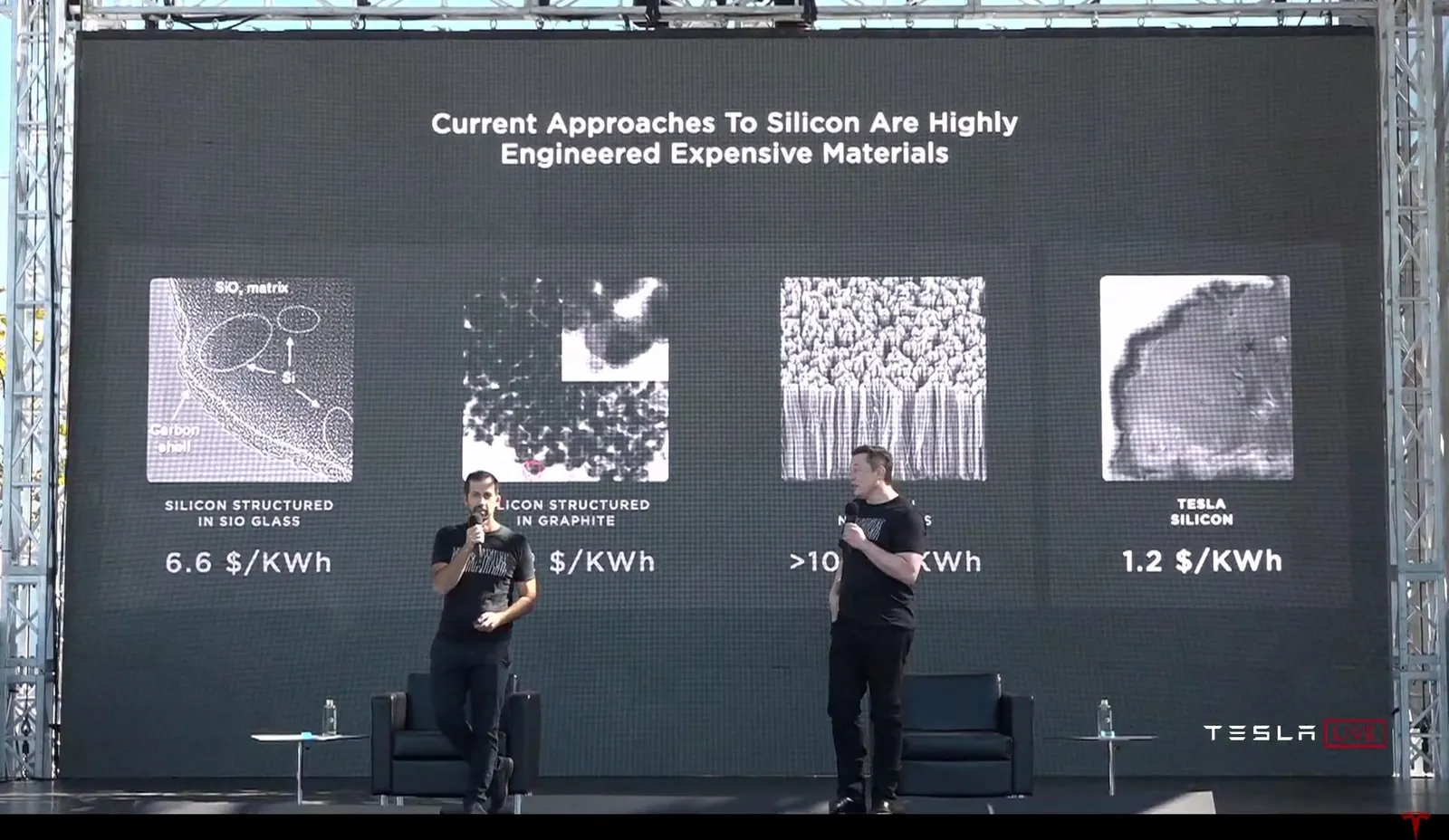
Different approaches to using silicon in Li-ion cell anodes. Slide from 2020, still relevant, at least in the first three panels from the left (c) Tesla
The “manganese” route is the fastest solution for increasing energy density (LFP -> LMR) while keeping costs under control. The “silicon” route offers high densities but at higher costs. However, the ultimate goal of development is solid-state cells. A solid electrolyte solves the flammability issue, and in this type of battery (ASSB), NCx cathodes or new manganese-based cathodes can be used to achieve and exceed energy densities of 0.4-0.5 kWh/kg. The costs associated with the anode are eliminated, as it is made of lithium during cell operation (Li-metal).
Editor’s note from Elektrowozu: Given that MIIT has been working on new batteries for years, we can assume that the new guidelines describe at least partially the current reality, namely products already available on the market.
Article rating
Readers’ ratings
[Total: 2 votes Average: 5]
Don’t miss new content — CLICK and FOLLOW Elektrowoz.pl on Google News. You might also be interested in the following ads: