
The production cost of a Chinese EV is $20,000, while that of a European one is $31,000. Subsidies alone do not explain this difference.
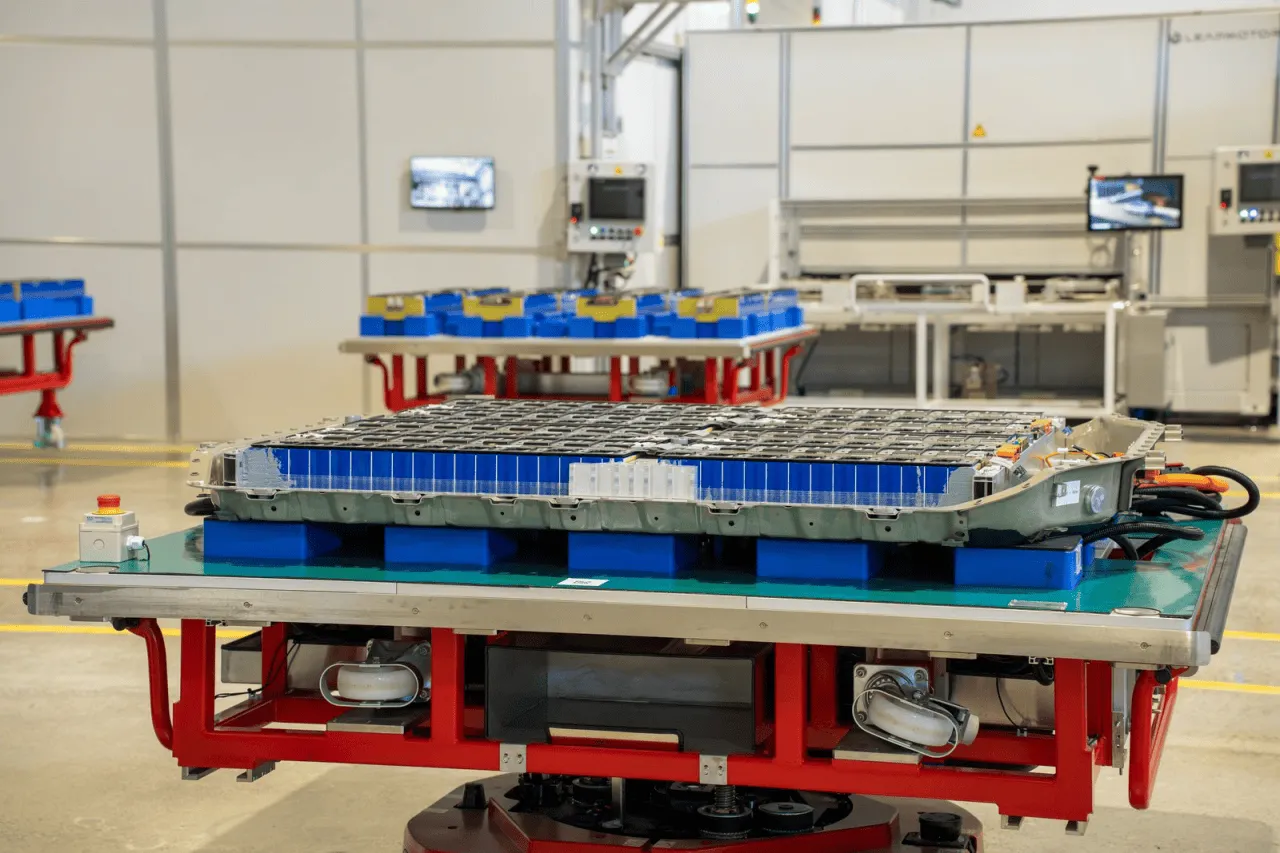
The consulting firm AlixPartners calculated the cost of building an electric car in China and Europe. A Chinese brand that produces domestically spends around $20,000 on a car, while its European counterpart costs manufacturers $31,000. The difference is about 35% on average, and according to the analysis, it stems mainly from company structures and supply chains, rather than subsidies alone.
The idea that Beijing artificially lowers prices to weaken the global industry is popular in Europe. AlixPartners does not claim that there is no government support. However, it shows that subsidies and incentives do not explain the entire gap. These are calculations by a consulting firm, not an independent audit of factories, but the scale of the difference is striking.
Batteries and energy cost more in Europe
The first problem is the battery. According to reports, European battery production and raw material sourcing rely too heavily on external suppliers. The largest source of materials in Europe is battery recycling, but its capacity is insufficient to sustain cell production. Added to this are energy costs, which are significantly higher than in the U.S. and China.
AlixPartners therefore proposes a solution that relies on public funds: incentives for companies building and operating battery factories. The firm even suggests subsidies for energy costs when such facilities are in operation.
China Speed, or fewer decision-making levels
The second aspect is organizational. Analysts describe a phenomenon known as “China Speed”: Chinese manufacturers shorten and accelerate decision-making processes compared to industry standards. They have fewer management layers, and testing is largely conducted virtually. Physical verification involving humans comes only at the very end.
This is evident in software, platforms, and ergonomics as well. Chinese brands adopt new technologies more quickly. However, the cost of this pace can be high. In a Lynk & Co vehicle, a software error allowed the headlights to be turned off accidentally via voice command while driving. An accident involving the Z20 model went viral in Chinese media, revealing that the same issue affected cars from other brands as well.
Tariffs only buy time
AlixPartners concludes with a warning. Tariffs only buy Europe time to catch up and will not undermine China’s competitive advantage. Locating Chinese car production in Europe will reduce some of the cost advantage by cutting it off from domestic supply chains. However, the structural advantage in corporate management will remain in place.
According to the firm, European manufacturers must change their approach rather than relying solely on tariff protection. The available materials do not specify which exact brands were used as a reference for calculating $31,000 for the “European equivalent.” Thus, this average remains an estimate that should be read alongside the methodology if AlixPartners publishes it in full.
LovEV Newsletter
Want more content like this?
Sign up — we’ll send you a weekly summary once the newsletter launches.