
China's overcapacity is pushing into the European auto market
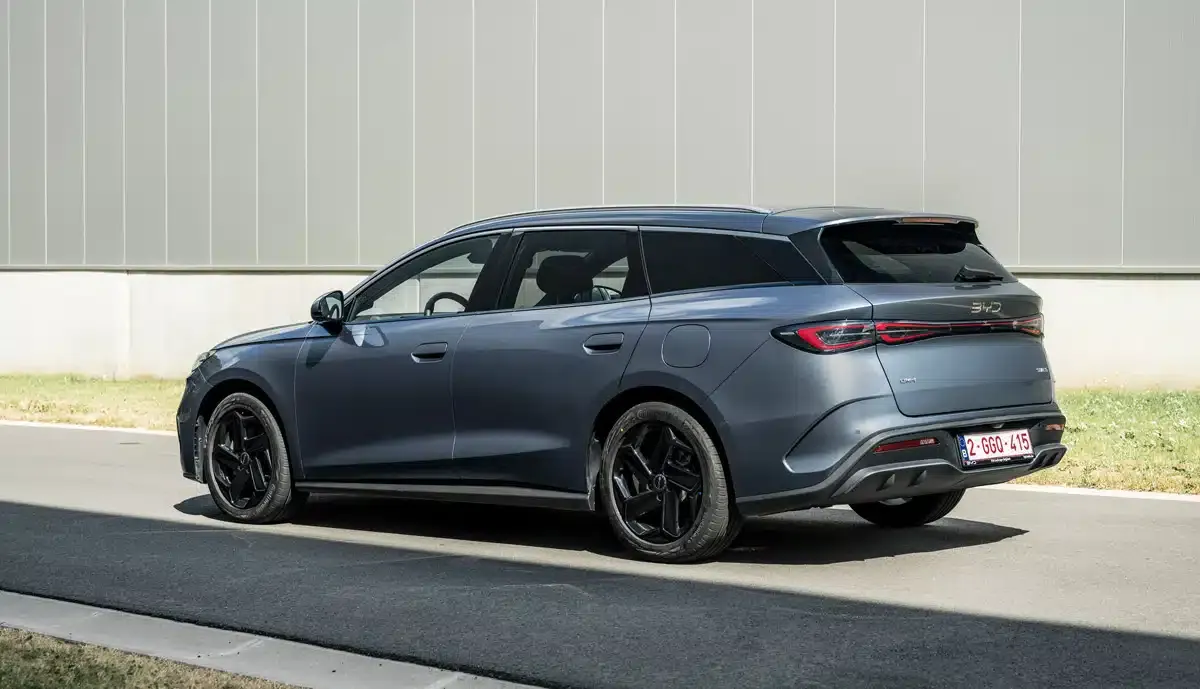
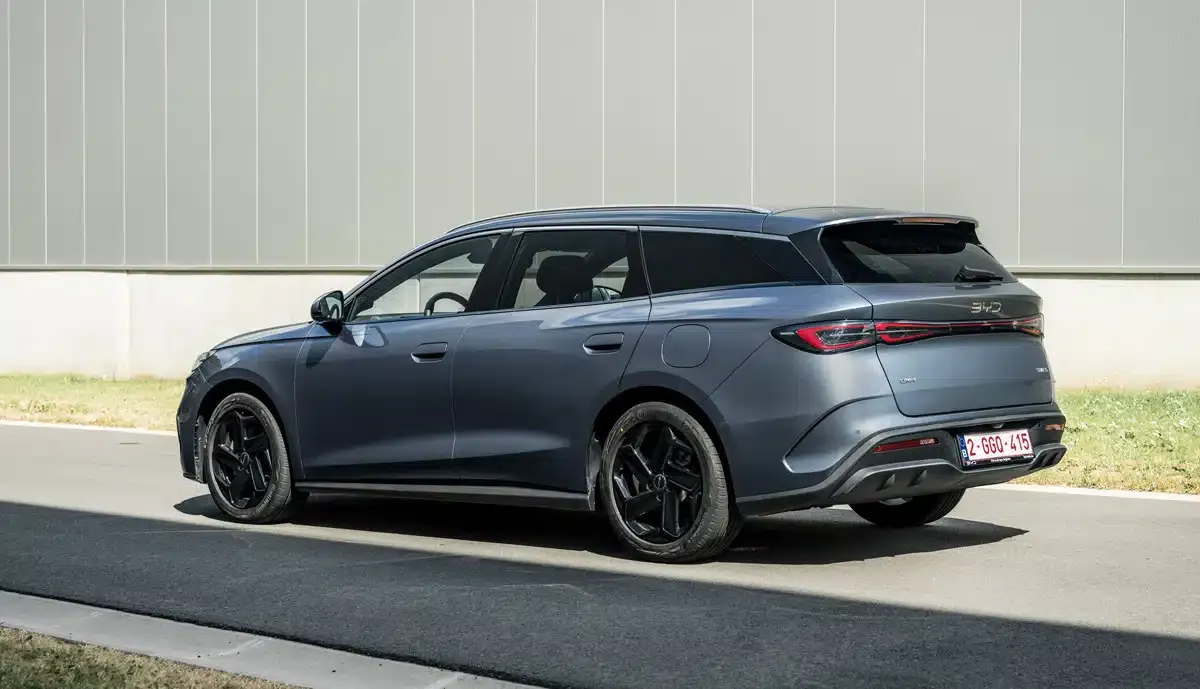
Image: BYD (illustrative)
The European automotive industry is facing increasing pressure from Chinese manufacturers. According to consulting firm AlixPartners, Chinese automakers are currently exporting vehicles to Europe at a particularly rapid pace. The reason behind this is overcapacity in their home country, as the local market is not large enough to handle the existing production volumes.
According to data from the industry association CPCA, 17.2 million cars were produced in China from January to August, while only 11.8 million vehicles were sold domestically. During this period, 6.1 million cars were exported, with a growing share going to Europe.
Alexander Timmer von AlixPartners says in an interview with Auto Motor und Sport: “Europe is increasingly becoming a outlet for China’s overcapacity.” He expects 2.3 million Chinese cars to be imported into Europe this year, while a figure of 1.9 million is projected for 2025. The market share of Chinese cars is set to rise to 12 percent.
A key factor in the competition are production costs. According to the expert, manufacturing a Chinese electric car costs $20,200 (about 17,800 euros), whereas a European-made model requires $31,000 (27,300 euros). Timmer says this $10,800 (9,500 euros) cost advantage allows manufacturers to cover tariffs of up to 35 percent while still achieving profits.
While markets such as the U.S. or South America are constrained by high tariffs, Europe remains an open target market. This is especially true for plug-in hybrids, which, unlike pure electric vehicles, are not subject to additional tariffs by the EU. Moreover, government purchase incentives in countries like Germany are also available for cars from manufacturers in the People’s Republic of China.
"Europe accounts for a quarter of China’s vehicle exports. Not because Europe is attractive, but because the U.S., Mexico, and Brazil are not. Europe is the last open outlet," explains Timmer. China exports not only pure electric vehicles but, according to AlixPartners, mostly internal combustion engines (47%). Electric cars make up 31%, followed by plug-in hybrids (15%) and hybrids (7%).
Also interesting
About the author
Thomas Langenbucher is an expert in electromobility with professional experience in the automotive industry and finance sector. Since 2011, he has been covering electric vehicles, sustainable technologies, and mobility solutions for ecomento.de. Learn more.
Reader interactions