
China's electric vehicle boom is increasingly driven by exports
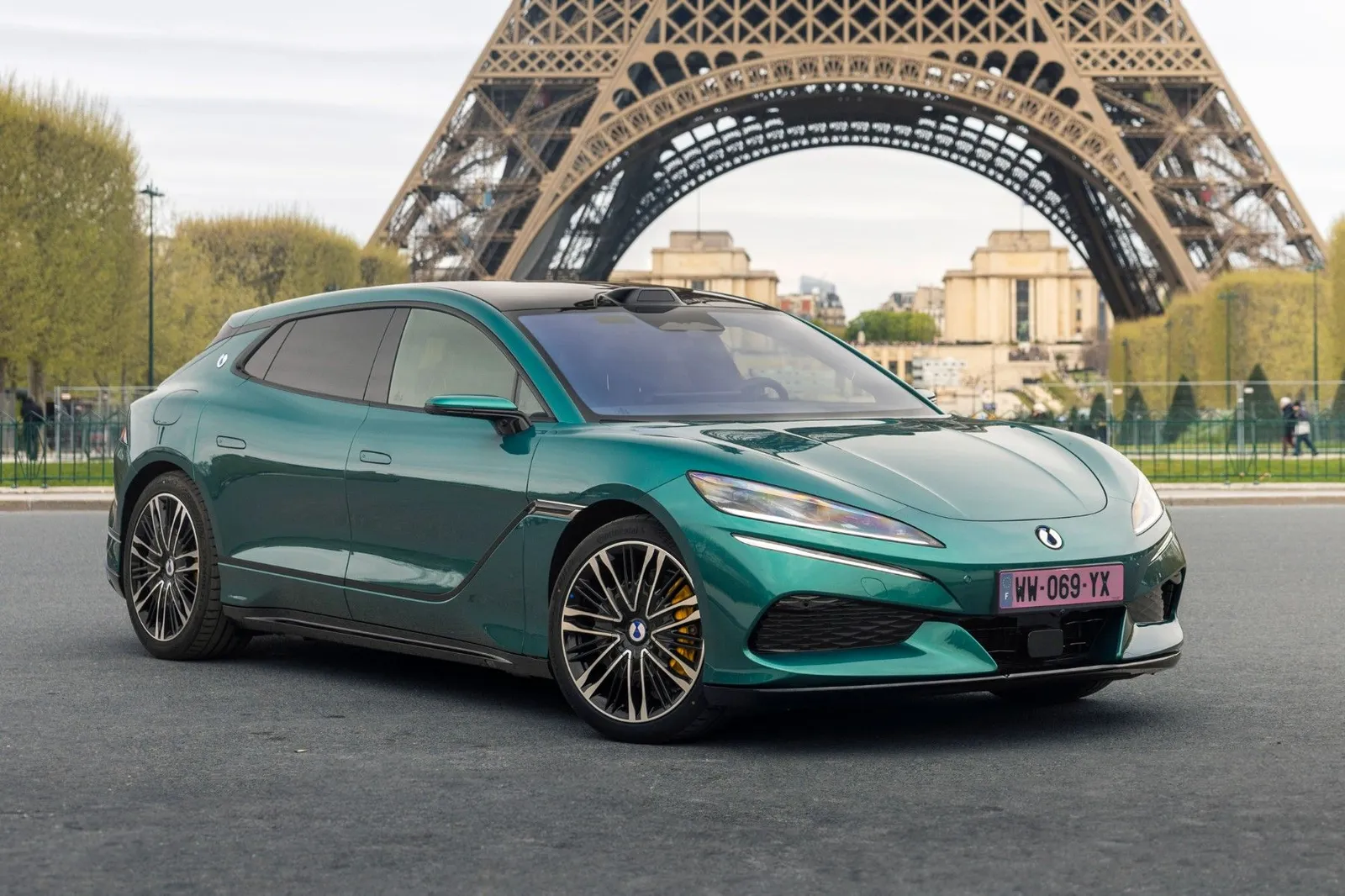
Electric vehicles and plug-in hybrids manufactured in China reached sales volumes of 1.64 million units in August, an increase of 18 percent compared to the previous year. However, the development of these different propulsion types varies significantly: plug-in hybrids are stagnating, while pure electric cars have hit a new annual high. Exports are becoming the driving force behind this trend.
Image: BYD
The statistics from the China Association of Automobile Manufacturers (CAAM) show sales volume of 1,643,000 NEVs (New Energy Vehicles) in August. Under this term, China includes electric vehicles (BEV) and plug-in hybrids (PHEV), covering both passenger cars and commercial vehicles. The August figure is 17.8 percent higher than the same month last year and also 5.3 percent higher than July. This year, sales reached a similar level only in June. However, the current sales figures are not yet close to the previous record highs from the fourth quarter of 2025, when monthly sales exceeded 1.8 million in some cases.
The emphasis is on “still,” as the final quarter is traditionally a strong sales period in China – and the current penetration of NEVs suggests it will continue to perform well this year as well. Plug-in vehicles sold in August accounted for 60.6 percent of total vehicle sales. In August 2025, this figure was only 48.8 percent. Interestingly, according to Car News China, nine out of the top ten positions in China’s list of highest-selling passenger cars were occupied by BEVs in August. The only exception was the BYD Fang Cheng Bao Ti7, which, unlike the other nine models, is available both as a BEV and a PHEV. Aside from Tesla’s volume models Model 3 and Y, all of the top-10 vehicles are Chinese brands.
The cumulative sales of NEVs have reached 10.65 million units in the first eight months (+10.7% year-on-year), accounting for 52.4% of total vehicle sales. However, the overall vehicle market is under pressure across all propulsion types: total vehicle sales in August amounted to 2.7 million units (-5.1% year-on-year). Moreover, as has been the case throughout the year, China’s domestic market remains weak, while exports continue to reach new highs.
BEVs once again became the driving force for growth in China in August: Their sales reached 1.161 million units, marking a 27.8% year-on-year increase and an 8.3% month-on-month rise — setting a new annual high. In contrast, PHEV sales totaled 482,000 units, down 0.9% year-on-year. After two consecutive months of slight growth compared to the previous year, sales have now declined again. The sales level is also very similar to that of 2024. China is thus increasingly facing a period of stagnation in PHEV sales.
Let’s take a look at the segment breakdown: In August, 1,118,000 vehicles manufactured in China were sold domestically (-4.6% year-on-year), bringing the overall annual figure below 2025’s domestic NEV sales. Notably, while NEV passenger cars saw an 8.2% decline domestically in August, NEV commercial vehicles, which are also included in the statistics, increased by 56.6% to 103,000 units. In other words, as the domestic passenger car market shrinks (-24% year-on-year across all propulsion types), business for electric buses and trucks is booming domestically.
Exports of plug-in vehicles reached 526,000 units, marking the second-best result ever after July’s figure. Compared to August 2025, exports of over half a million NEVs represent a 130 percent increase. Interestingly, plug-in vehicles accounted for more than half of all exports for the third consecutive time. In August, they made up 52.1 percent. According to CAAM statistics, cumulative NEV exports in the first eight months of the year reached 3.44 million units, which is 124 percent higher than the same period last year.
On the production side, CAAM’s statistics for August show 1.653 million NEVs manufactured in China (+18.9% year-on-year), which is about 10,000 more than the number of NEVs sold. According to China’s new five-year plan, NEVs are expected to account for 70% of domestic new car sales in the passenger vehicle segment and 40% in the commercial vehicle segment by 2030. Additionally, NEVs are set to make up around 30% of China’s total vehicle fleet by that same year.