
China Zorrilla debuts in South America, the ferry with 40 MWh of batteries
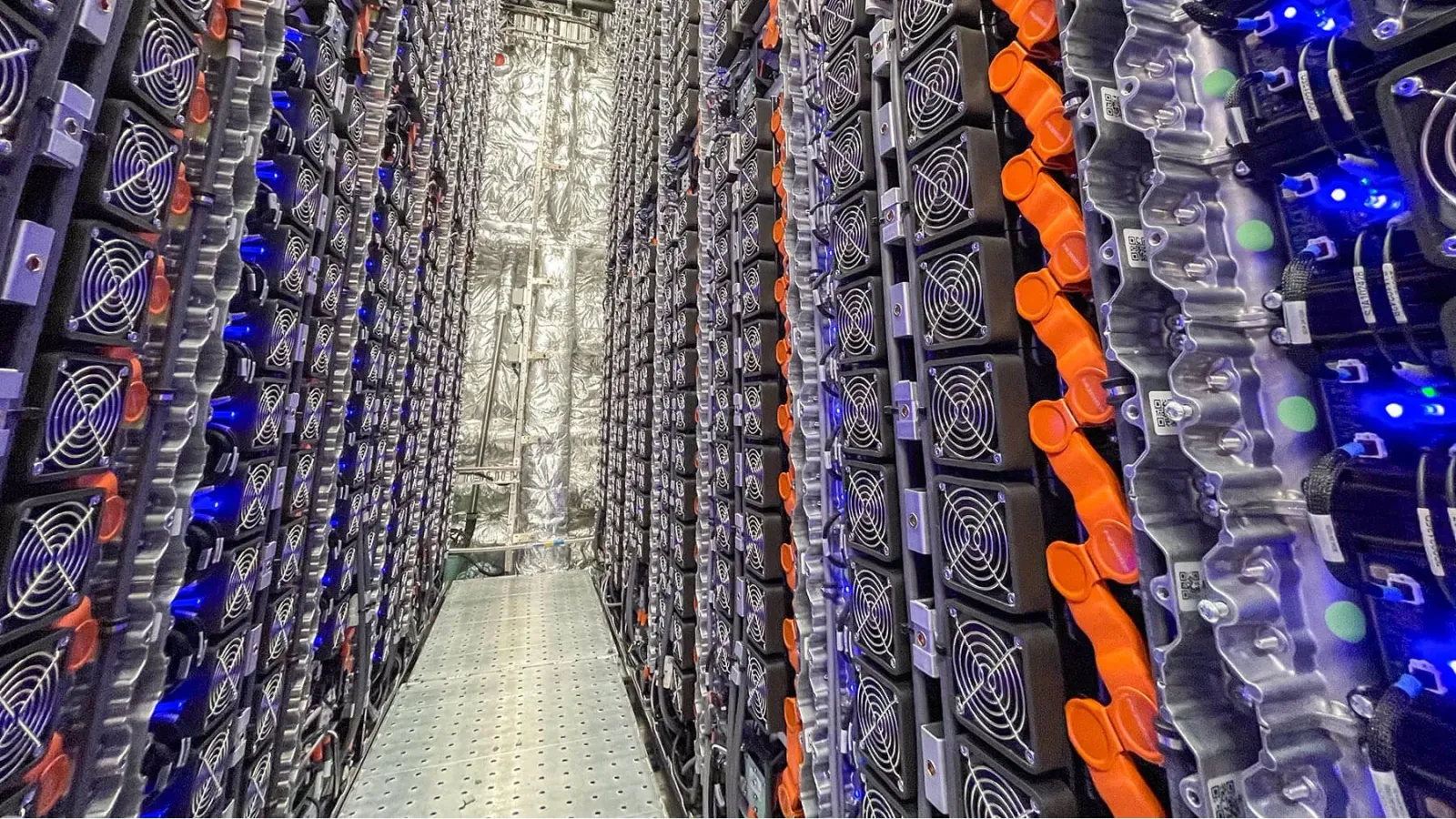
China Zorrilla has entered service between Uruguay and Argentina. When we wrote about the world’s largest electric ferry, several readers asked us how it would travel from Tasmania to South America. Incat Tasmania provided an answer. Today, the ship, operated by Buquebus, has officially begun serving on the Río de la Plata. At 130 meters long, it is named after the famous Uruguayan actress and director Concepción “China” Zorrilla. It can carry up to 2,100 passengers and 225 vehicles on each trip between Uruguay and Argentina. Its propulsion is entirely electric, powered by a battery system with a capacity of over 40 MWh.
China Zorrilla’s first commercial voyage completed
The world’s largest electric ship has begun commercial operations in South America. Recently, China Zorrilla completed its first regular voyage between Buenos Aires in Argentina and Colonia in Uruguay, crossing the Río de la Plata. The ferry can carry up to 2,100 passengers and 225 vehicles. To power the vessel, a storage system of over 40 MWh was installed, consisting of batteries weighing more than 250 tons.
China Zorrilla, the world’s largest electric ferry, on its way from Tasmania to South America
The propulsion is provided by eight electric propellers from Wärtsilä. To support its operations, a high-power charging system on land was also developed, which is essential for quickly restoring the necessary energy between crossings.
The electric solution represents a shift from the original plan. When it was introduced in 2024, the ship was designed with LNG-powered propulsion. Later, the owner decided to opt for an electric configuration aimed at reducing emissions, controlling energy costs, and improving onboard comfort. We’re not actually in open sea, but the route, which takes about an hour to cross, is one of the most frequently used between the two countries.
And after China Zorrilla, work is already underway on other ferries, but not for Italy.
Robert Clifford, Incat’s CEO, views the ship’s commissioning as a crucial milestone in the electrification of maritime transport: “It is a truly historic day for Incat, for Tasmania, and for the entire global maritime industry. We have overcome enormous technical challenges, pushed beyond what was thought possible, and created something the world has never seen before.”
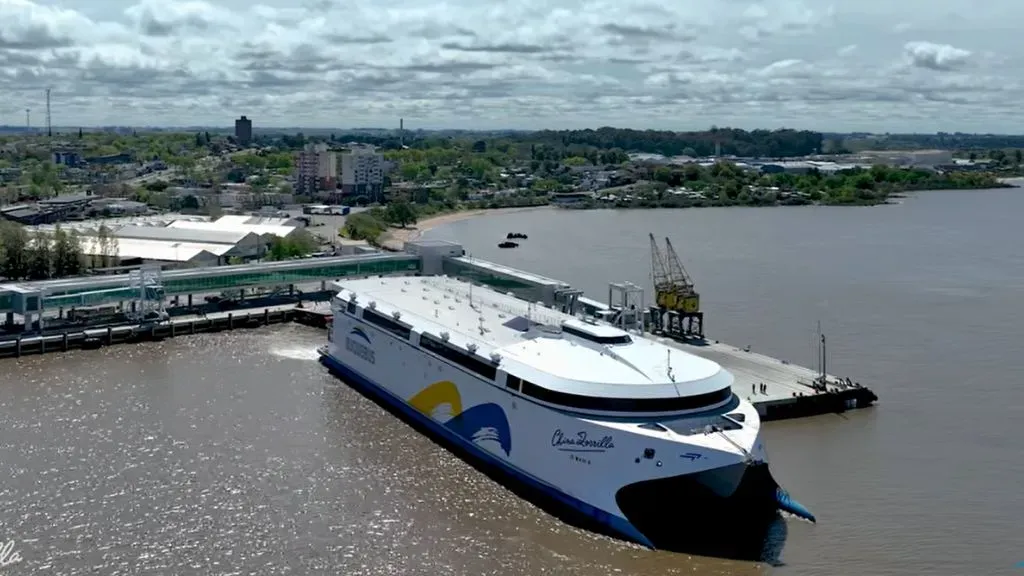
Beyond setting records, China Zorrilla demonstrates that even large, high-capacity commercial vessels can be powered entirely by electricity. The ferry was built with an aluminum catamaran structure, a solution that helps reduce weight, improve energy efficiency, and enhance performance. The success of this project has already had tangible benefits for the Australian shipyard. While China Zorrilla was still under construction, Incat received a new order from Molslinjen to build three 129-meter-long electric ferries intended for operation in the Kattegat, between mainland Denmark and Samsø island.
In Northern Europe, the electrification of maritime transport is advancing at a steady pace. In Norway, there are now over a hundred electric ferries in service; in Amsterdam, all tourist water transport is powered by batteries, while several French cities have introduced electric public services for river transport, thanks to significant government investment.
What about Italy? The experiences are still limited. To date, the two electric ferries on Lake Iseo represent one of the few concrete examples of battery-powered public navigation, while in Venice, the preferred approach remains hybridization.
READ ALSO: What we saw at the Genoa Show and watch the VIDEO
Previous Article
Hydrogen like LNG: “If you don’t build the distributors...”
Next Article
Cybertruck fined in Germany: license class B insufficient