
China now introduces nearly 3 new cars per day, and Renault warns of the dangers of going too fast
The automotive industry is in a race against time. Chinese manufacturers have managed to dramatically reduce the time needed to develop a new car, and European brands are trying to keep up to avoid falling behind. But there is a limit to this speed, and Renault has just raised an uncomfortable issue: developing cars too quickly could end up affecting their quality and reliability.
In recent years, China’s industry has shifted from being seen as a source of copied Western models to becoming one of the world’s leading forces in technology, especially in terms of development speed. The competitive pressure is so high that some manufacturers can move from initial design to producing a new model in a timeframe that would have seemed impossible not too long ago.
European manufacturers have begun to respond. Volkswagen Group and Renault Group have shortened the development timelines for some of their new models to keep up with their Chinese rivals. The new Volkswagen ID. Polo and the Renault Twingo are two good examples of this transformation, with projects completed in much less time than was typical for these companies.
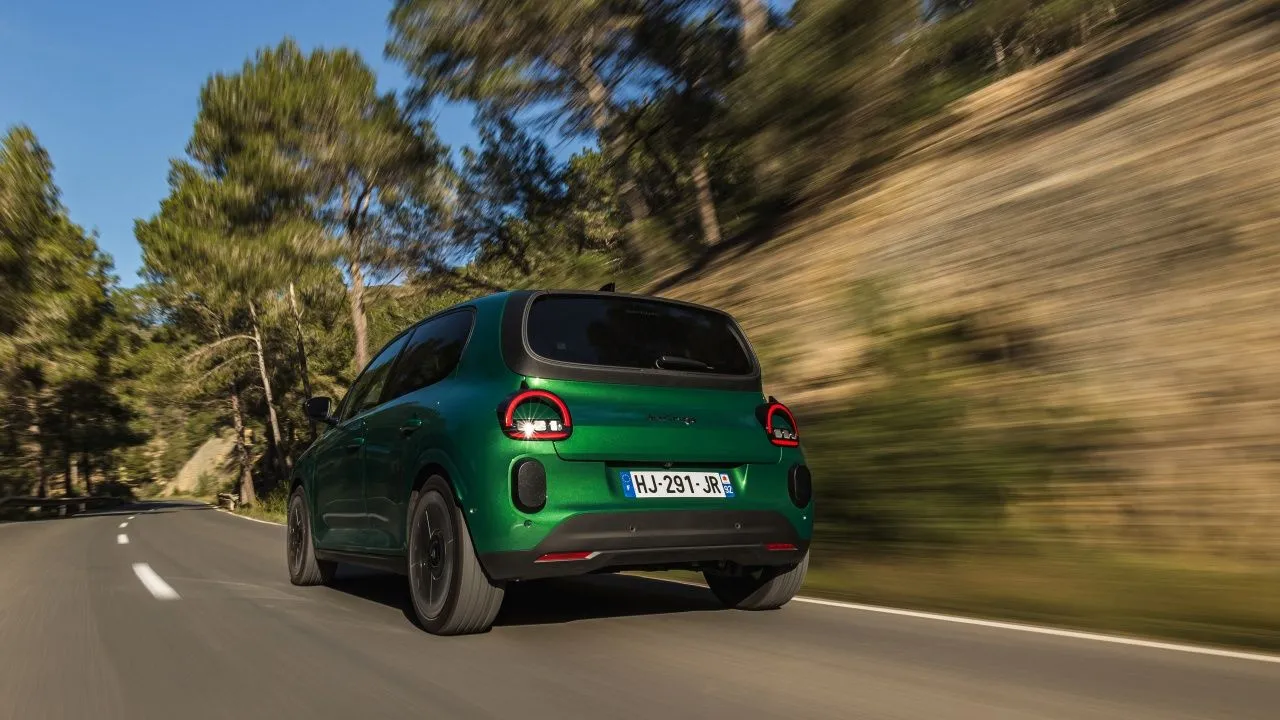
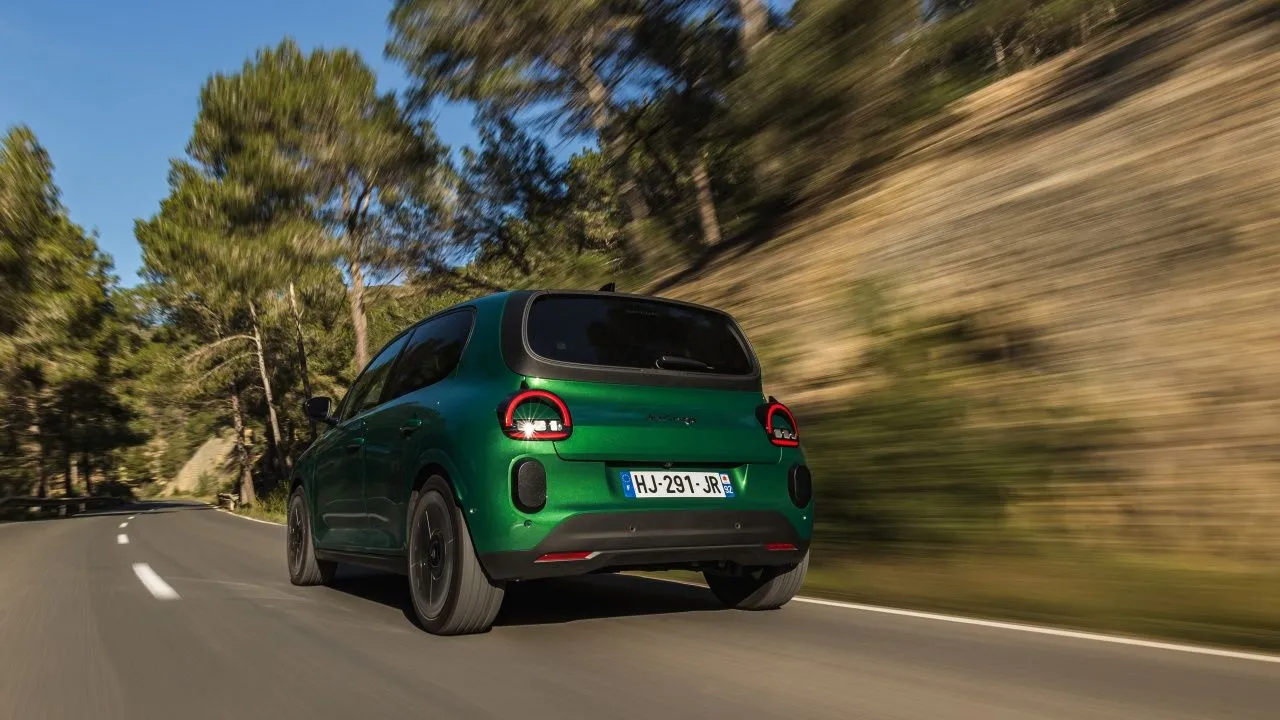
In the case of the Renault Twingo, the French brand also turned to development methods inspired by China and to collaboration between its European teams and its ACDC engineering center in Shanghai. Renault managed to bring the new Twingo to market in 21 months, a figure far below the traditional timelines in the industry.
The problem arises when this race to reduce times starts affecting aspects that are not as visible to the buyer. A new car needs to be designed and manufactured, but it also must be tested over thousands of kilometers under various temperatures, road conditions, and usage scenarios to uncover issues that might take months to surface.
And this is where Renault draws a red line. François Provost, head of the Renault Group, believes two years is the minimum time required to develop a new car while ensuring adequate quality standards. The company understands that shortening this period further could result in certain defects or problems going unnoticed before the model reaches dealerships.
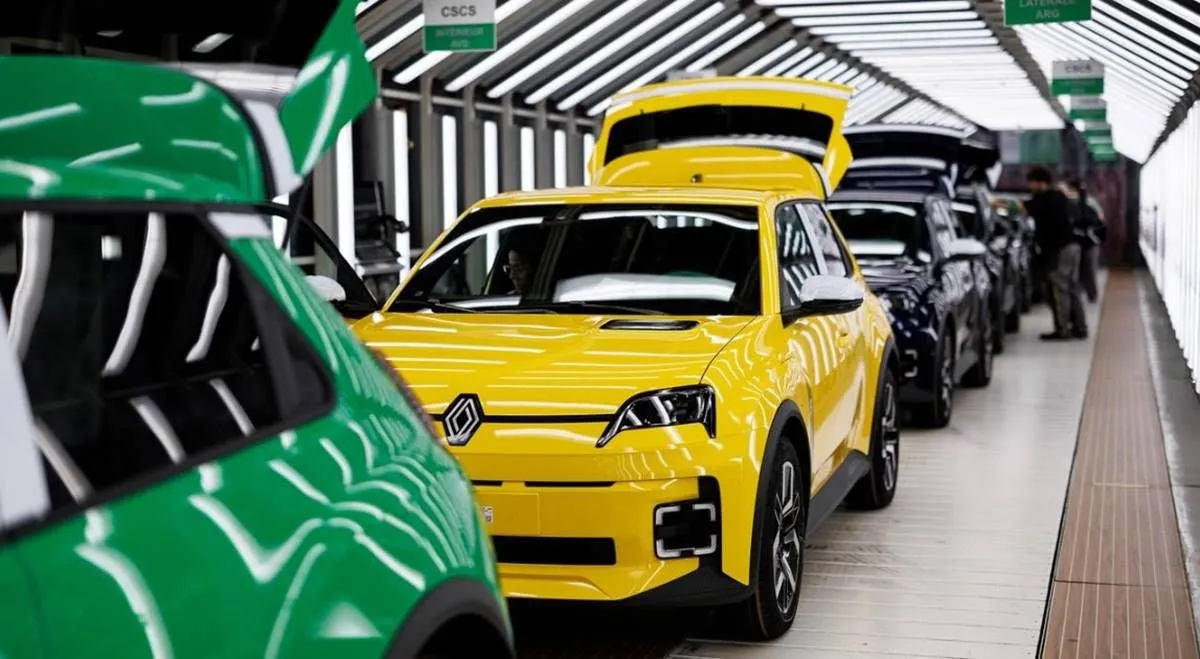
The issue isn’t that Chinese manufacturers are unable to produce reliable cars. That would be an overly simplistic conclusion. The problem is that the speed of development has become one of the key factors in competition, and the shorter the development cycle, the less time there is to conduct certain tests and fix problems that arise during them.
Renault Group itself acknowledges that not all projects need to start from scratch. A model derived from an existing one can be developed much faster because much of its components, architecture, and processes have already been tested. This is exactly what happened with the new Dacia Spring, whose development was completed in less than two years by building on the technical foundation of the Renault Twingo.
In fact, Renault had previously explained that the next Dacia electric vehicle in the A segment could be developed even faster, in just 16 months from the concept’s inception, precisely because it is a model based on an already developed architecture and components.
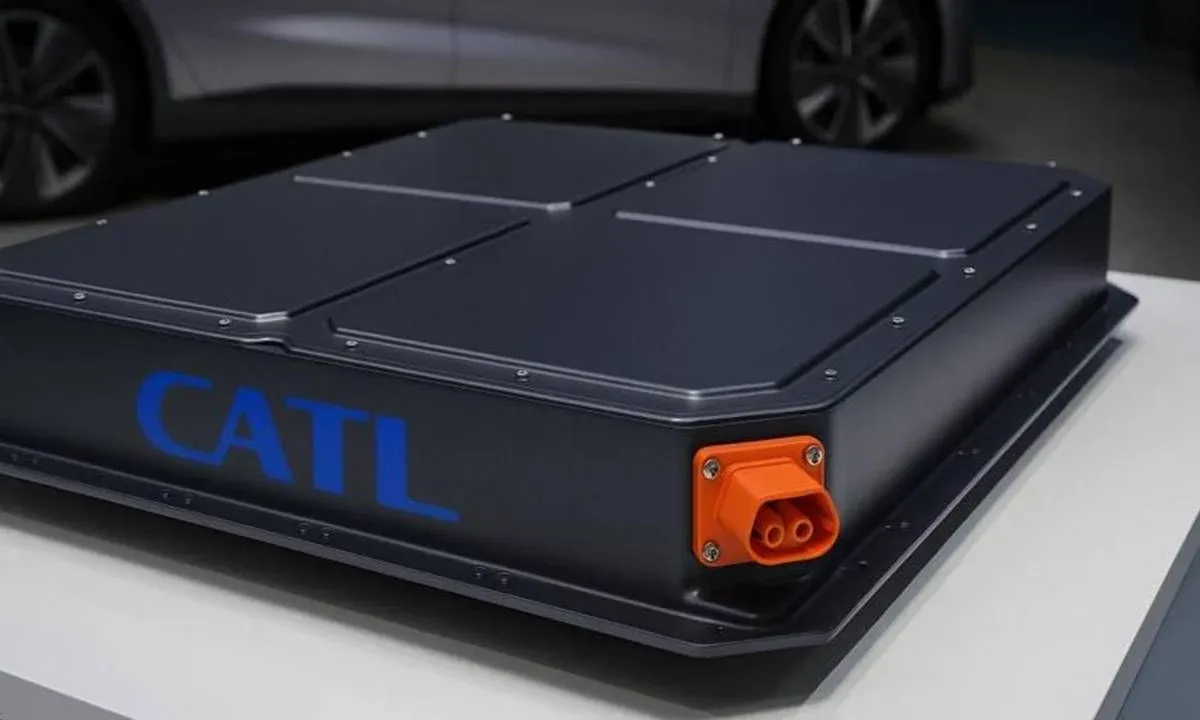
Renault’s warning comes at a particularly sensitive time for China’s auto industry. Robin Zeng, president of CATL, recently delivered a much more direct critique regarding the pace of development in his own country’s market.
According to Zeng, over 600 new battery models have been introduced in China during the first months of 2026, which amounts to nearly three new models per day. The problem, according to the CATL president, is that the shortened development and validation cycles are starting to have consequences. The company has detected defects in certain mass-produced battery products, something Zeng considers particularly concerning.
CATL’s message is especially significant because it does not come from a European manufacturer trying to justify its slower pace compared to China. It comes from one of the world’s largest battery manufacturers and from someone who is intimately aware of the immense pressure currently in the Chinese market.
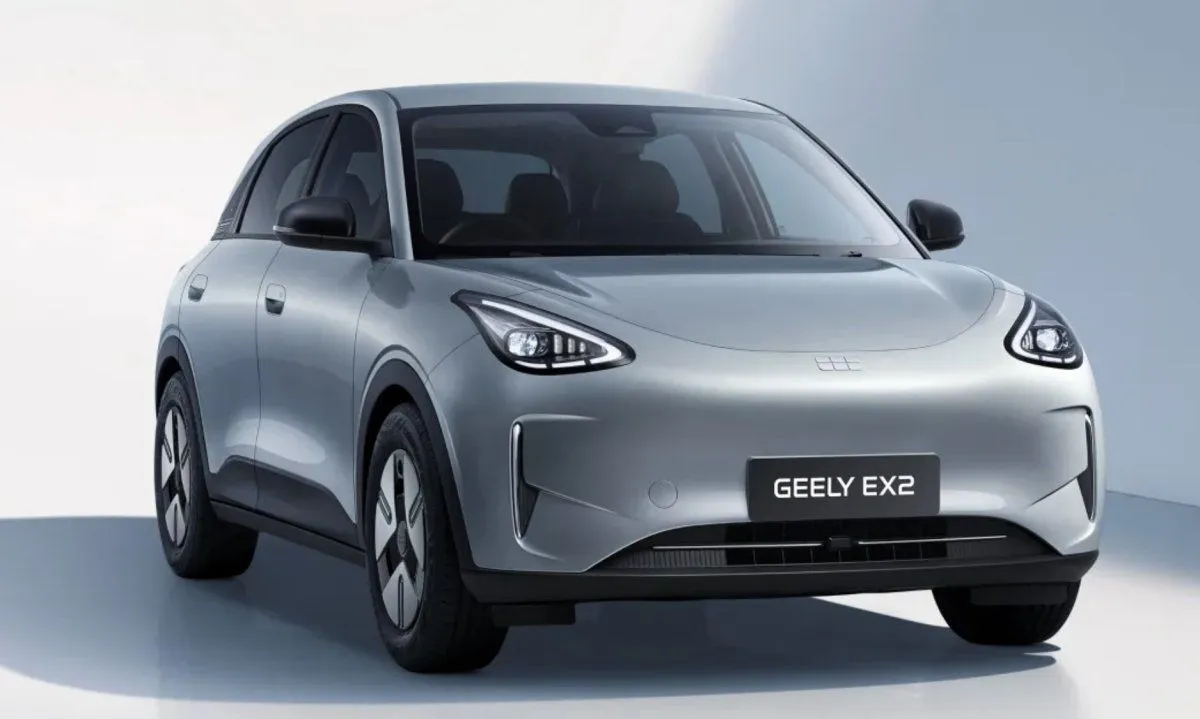
There are concrete examples showing why this warning should not be ignored. At the end of August, China’s Ministry of Industry and Information Technology released the results of inspections on several models. Among those identified was the Geely EX2, with the tested unit showing an axle spacing difference from the declared value that exceeded the allowed 1% error margin.
The Geely EX2 case does not mean that all units of this model have this issue or that the car is unsafe. The official information refers to a sample that was inspected, not to a widespread defect in the model. However, it serves as an example of something much more important: the need to ensure that cars produced in large volumes truly meet the specifications with which they were approved.
China seems to have realized that this issue requires a response. China’s Ministry of Industry has announced a new one-year campaign to improve the compliance, reliability, durability, and validation of new technologies used in vehicles. Among the measures is increased oversight of designs deemed too aggressive, as well as stricter requirements for testing before introducing new technologies into cars.
This puts the industry in a rather curious situation. Europe needs to learn from China how to develop cars more quickly, but China is also discovering that rushing too much can have its costs.
For decades, European manufacturers have been criticized for taking too long to develop new models, while Chinese companies have shown it is possible to drastically shorten these timelines through more integrated teams, parallel processes, and much faster decision-making. The result has been a huge competitive advantage.
But there is a difference between developing faster and developing with fewer tests. The first option represents an industrial improvement. The second can turn into a problem for consumers.
The real battle in the coming years will therefore not be solely about who can introduce a car with greater range, more power, or more features first. It will also be about who can develop such cars faster without compromising their reliability.
Because a car may become outdated within months, but its problems can haunt the owner for many years. And in an industry where more and more batteries, electronic systems, autonomous driving functions, and software are being integrated, having enough time to identify flaws before the car hits the road can be just as important as developing a new generation of engines or batteries.