
China will move solid-state batteries into mass production by 2030.
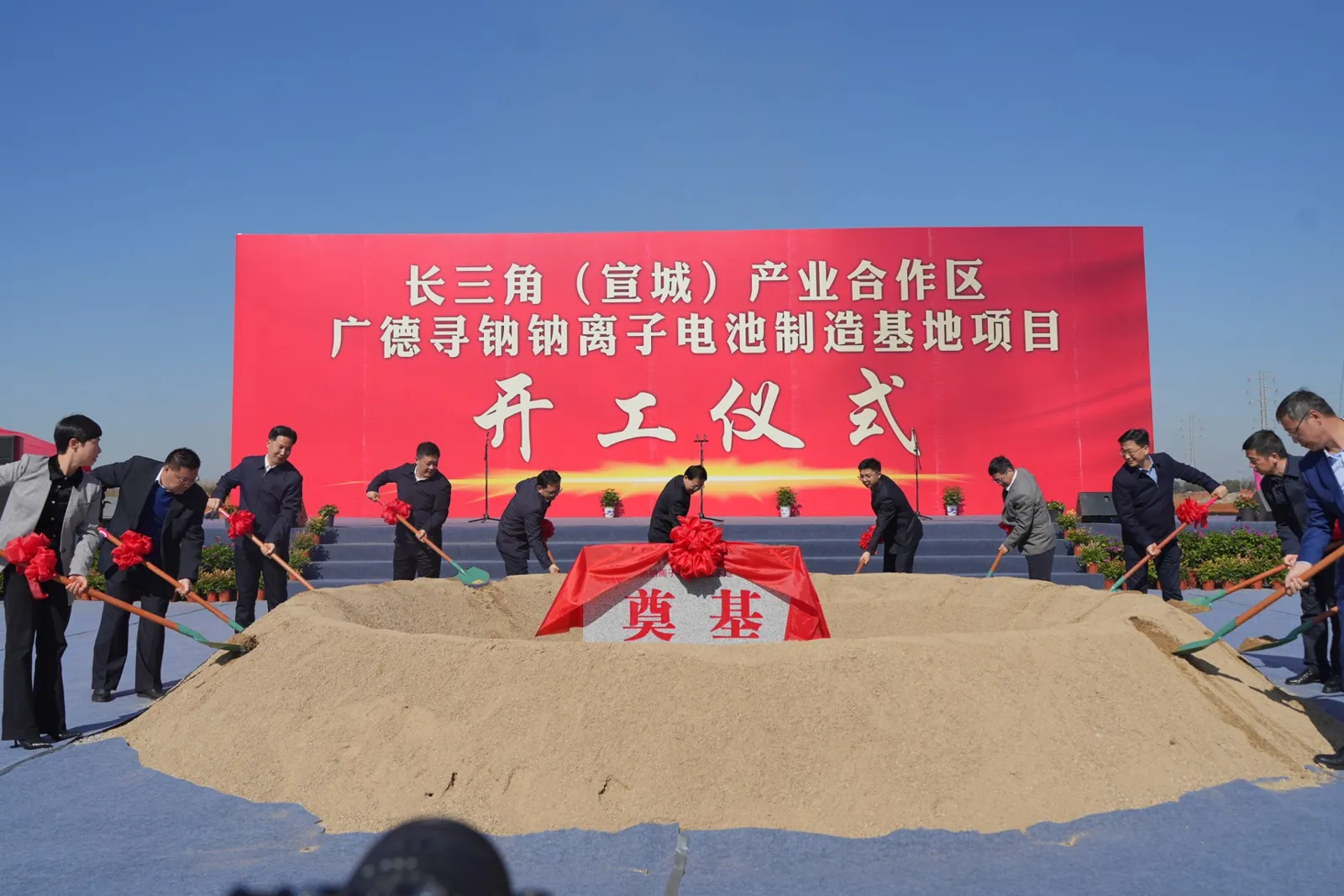
China has proposed a new five-year plan for the battery industry. By 2030, solid-state batteries are set to be used on a larger scale for the first time, while Beijing is also focusing on sodium-ion batteries, fast charging, recycling, and industry consolidation.
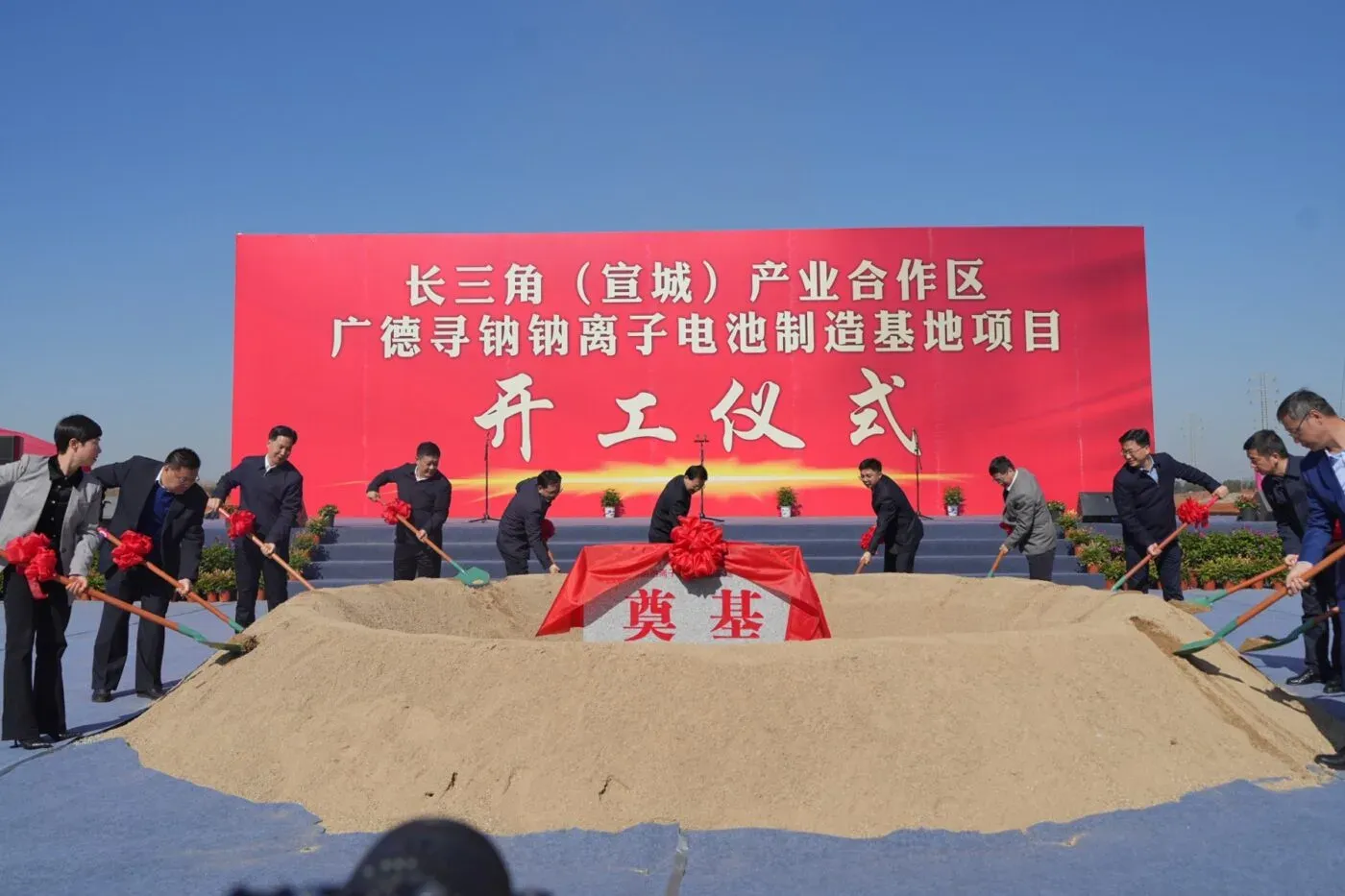
China will further upgrade domestic battery production technologically and strengthen industry consolidation.
Image: Zoolnasm
The Chinese Ministry of Industry and Information Technology, along with six other agencies, has released a development plan for the battery industry from 2026 to 2030. The participating agencies include the National Development and Reform Commission and the Ministry of Transport, among others.
Technologically, China is placing a strong emphasis on all-solid-state batteries. By 2030, their use is expected to reach a larger industrial scale for the first time. To achieve this, key technical challenges related to ion conductivity, cycle stability, and cost must be addressed. These include improving the interfaces between battery cell components, extending lifespan, and making progress with pressurized cell designs.
At the same time, production of more efficient solid electrolytes needs to be increased. Regarding cell chemistry, the plan includes combinations of high-voltage and high-capacity cathodes with new lithium-metal anodes as well as anode-free designs. Corresponding manufacturing equipment, such as isostatic presses, also needs to be improved.
China is also investing in sodium-ion batteries and fast charging
Solid-state batteries are, however, only part of the strategy. While China aims to continue building a battery industry centered around lithium-ion batteries, it also plans to supplement this with sodium-ion and redox-flow batteries. At the same time, efforts will be accelerated to industrialize ultra-fast-charging batteries.
According to the portal CNevPost, cost, safety, and raw material availability will be key considerations for sodium-ion batteries. Developments include temperature-resistant traction batteries with higher energy density as well as long-lasting storage batteries. The plan sets a target of 15,000 charge and discharge cycles for particularly durable lithium-ion batteries. Leading manufacturers are also expected to achieve error rates at the PPB level, meaning only a few defective units per billion.
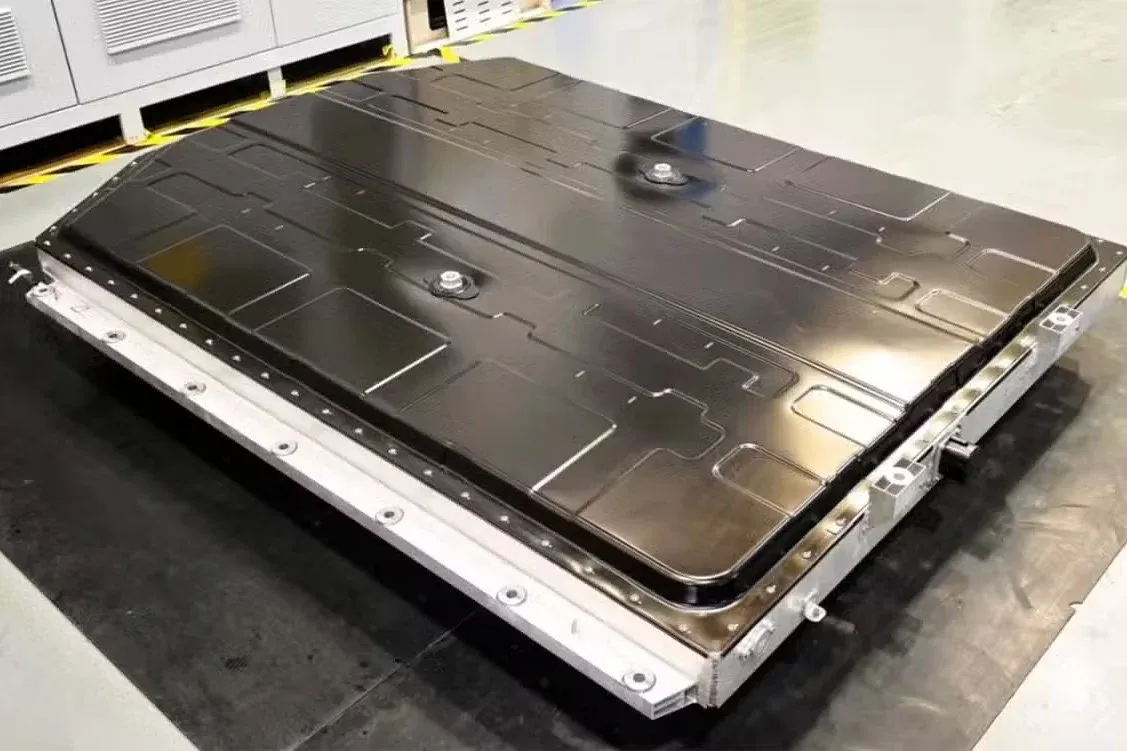
Another focus area is the consolidation of the battery industry. Authorities aim to support mergers and restructuring. At the same time, domestic deposits of lithium, cobalt, and other raw materials are to be tapped more quickly. By doing so, China links its technology policy with stronger supply chain security. Requirements are also rising in terms of recycling. Battery manufacturers are expected to establish take-back systems whose capacity matches their sales volumes. In key export markets, companies should also set up their own recycling capabilities if the conditions permit.
In addition, China plans a digital identity management system for batteries in new energy vehicles. Systems for internationally compatible battery passports and mutual recognition of CO2 footprint data are under consideration. In the EU, a battery passport is already a settled matter.
Tax incentives shifting toward new battery technologies
The new five-year plan comes at a time when China is reorienting its support policies. Since September, lithium-ion batteries have been subject to a 2% consumption tax, with this rate set to rise to 4% starting in September 2027. Sodium-ion and solid-state batteries, however, will remain exempt from this tax until the end of 2028.
By doing this, Beijing is shifting tax incentives increasingly from established lithium-ion batteries to newer technologies. At the same time, subsidies for electric vehicles are also being gradually reduced. Since early 2026, only a 50-percent reduction in purchase tax applies, with further benefits disappearing by 2027. State support is thus shifting more heavily toward technology development, infrastructure, and industrial scaling.
For Europe, this development is also significant from an industrial policy perspective. According to a Deloitte study, by 2025, 77 percent of battery cells for electric vehicles were already produced in Asia. Even the cell production capacity existing in Europe was reportedly under the control of Asian manufacturers to 98 percent. While the EU is now attempting to support the development of its own cell factories through initiatives such as the “Battery Booster,” China has already linked its battery policy to specific goals regarding new cell chemistries, manufacturing quality, raw material security, and consolidation.