
China gains a huge advantage in sodium batteries: over 400 GWh compared to just 11 GWh outside the country
22/09/2026 12:30
Updated to
22/09/2026 12:30
China has once again established a significant gap over the rest of the world in one of the technologies set to play a major role in the coming years. This time it’s not about LFP batteries, where Chinese manufacturers already hold a dominant position, but rather about new sodium batteries.
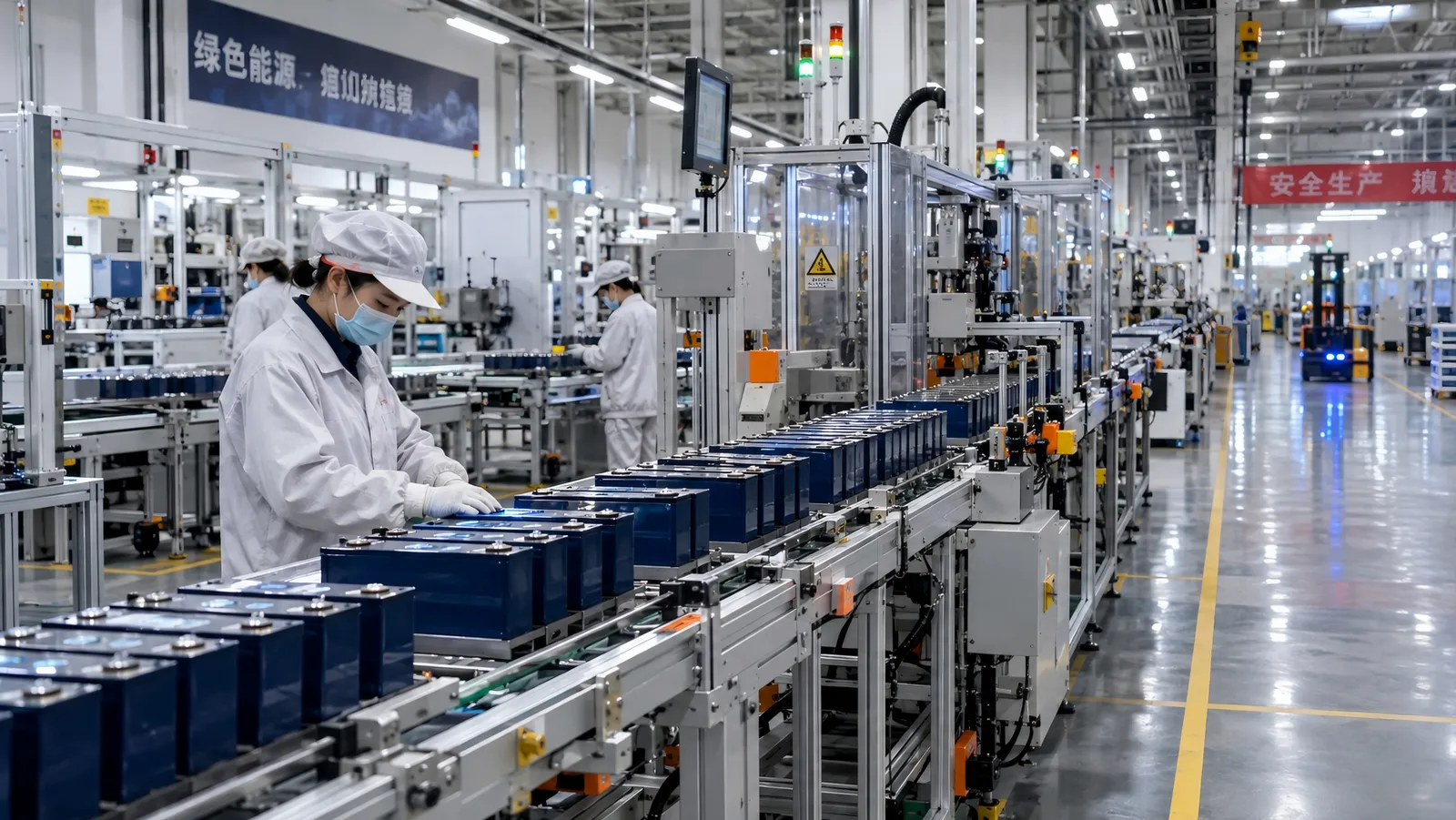
According to data collected by Financial Times, China has more than 400 GWh of sodium battery manufacturing capacity across existing plants and announced projects, while outside the country there is only about 11 GWh. The difference thus exceeds 36 times.
China holds almost all of the world’s capacity
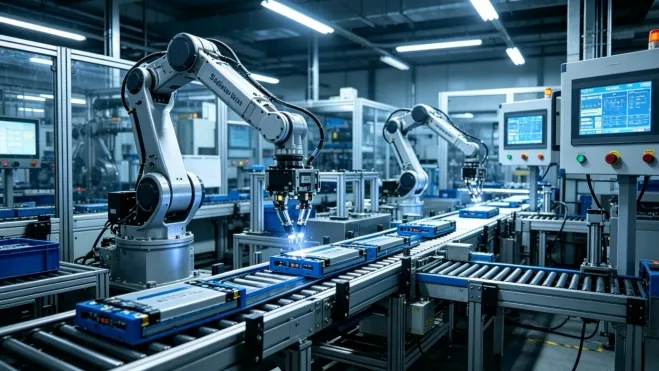
The difference isn’t limited solely to the number of factories. The International Energy Agency notes that almost all of the current production capacity for sodium batteries is located in China, and if the announced projects are carried out, the country could account for over 95% of global capacity by 2030.
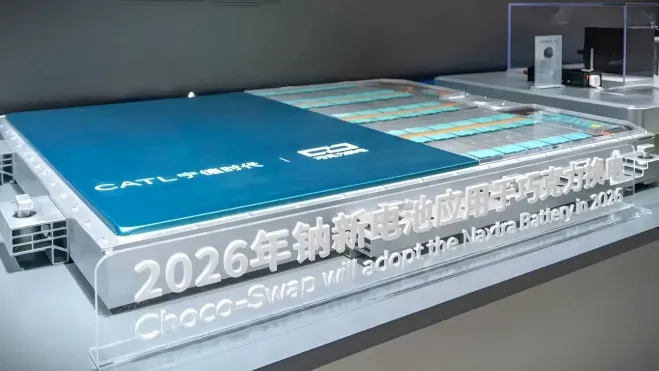
The leading players are largely the same companies that already dominate the lithium battery market. CATL, the world’s largest battery manufacturer, has begun deploying its second generation of sodium cells and plans to increase their commercial use by 2026, while BYD is also developing production capacity for this technology.
A lithium alternative with clear advantages, but also limitations
Sodium batteries operate on principles similar to lithium-ion batteries, but they use sodium instead of lithium, an element that is much more abundant and geographically widespread. One of their main advantages becomes evident at low temperatures. According to the International Energy Agency, the latest generations can retain around 90% of their nominal capacity even at -40 °C and function at temperatures up to 70 °C.
They also offer potential protection against future increases in lithium prices and can reduce reliance on certain critical raw materials. For this reason, major battery manufacturers view them as a complementary technology to current lithium-based chemistries.
Its major drawback remains energy density. At the same size and weight, sodium batteries store less energy than many current lithium batteries, which limits their use in electric cars where range is a top priority for now.
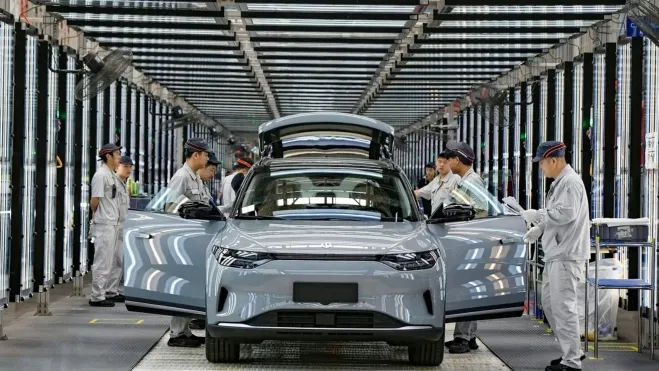
It is precisely because of this lower energy density that one of the most promising applications lies in small, affordable electric cars, where a range of 700 or 800 kilometers is not as critical. They can also offer long endurance in stationary energy storage systems and in vehicles used in areas with extremely low temperatures.
The Financial Times also cites analysts’ estimates suggesting that cost parity with lithium batteries may be achieved around 2027, though progress will depend both on the price of lithium and on technological advancements in the sodium industry.
Europe and the United States fall behind again
Projects exist outside China as well, but on a much smaller scale. European and American companies are developing sodium batteries, although several Western startups have struggled to achieve competitive industrial production.
The International Energy Agency itself cites the closure of the U.S.-based Natron Energy as an example of the obstacles to building a competitive supply chain outside China. Even LG Energy Solution has decided to set up a sodium production pilot line in Nanjing, further strengthening China’s ecosystem.
China’s advantage isn’t limited to manufacturing cells. The country holds a strong position in cathode materials, anode materials, and other essential components, while also leading much of the patent activity and investment related to this technology.
That said, despite the rapid growth of these projects, sodium batteries still account for a very small portion of the global market. In 2025, their global production was less than 1% of that of lithium-ion batteries. LFP batteries also hold a significant advantage in terms of cost, energy density, and industrial maturity. The IEA believes that sodium will need further technological improvements or a sustained rise in lithium prices to compete on equal terms in many applications.
Source: Financial Times.