
China has too many car brands: Beijing forces merger of FAW and GAC, two major state-owned automakers
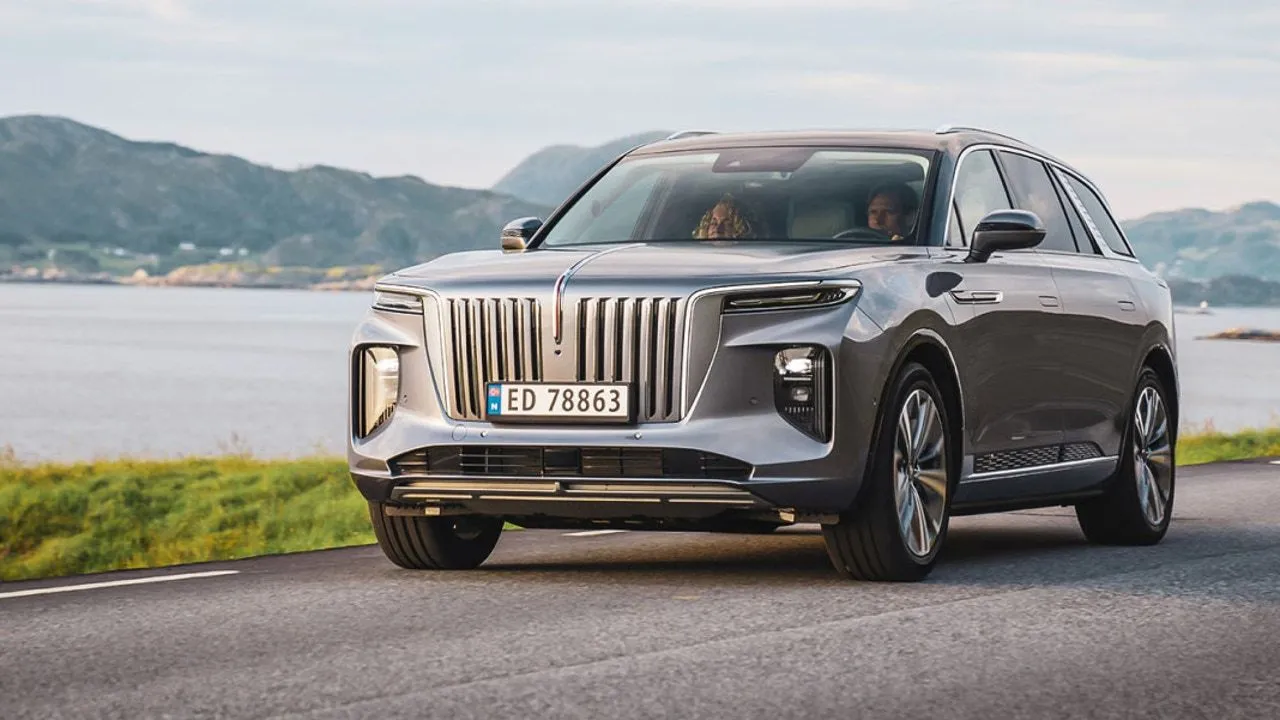
It is no secret that China has too many automobile manufacturers. Driven by government subsidies and the shift toward electric mobility, numerous new players have emerged in recent years, many of whom will not survive in an increasingly saturated domestic market (national sales dropped 20% year-on-year in the first half of the year). As a result, the stronger competitors are beginning to focus their efforts on exports.
China has ten major automotive groups (BAIC, BYD, Changan, Chery, Dongfeng, FAW, GAC, Geely, Great Wall Motor, SAIC), in addition to joint ventures such as SGMW (SAIC- General Motors-Wuling) and newer companies like Leapmotor, Li Auto, NIO, Xiaomi, or XPeng. Several experts suggest that the number of manufacturers will decline sharply in the coming years.
This consolidation process will result not only from the disappearance of certain brands but also from the merger of others. Some groups have already begun making moves, as evidenced by FAW’s plans to acquire a stake in GAC. Apparently, this initiative is being driven by the Chinese authorities themselves. It’s worth noting that FAW and GAC are both state-owned manufacturers.
The goal behind this merger would be to overcome the financial difficulties faced by both companies. In 2025, GAC’s sales dropped by more than 14%, while its revenue fell by 10%, leading to losses. This trend continued in 2026, raising alarms in Beijing as GAC is one of the country’s largest manufacturers.
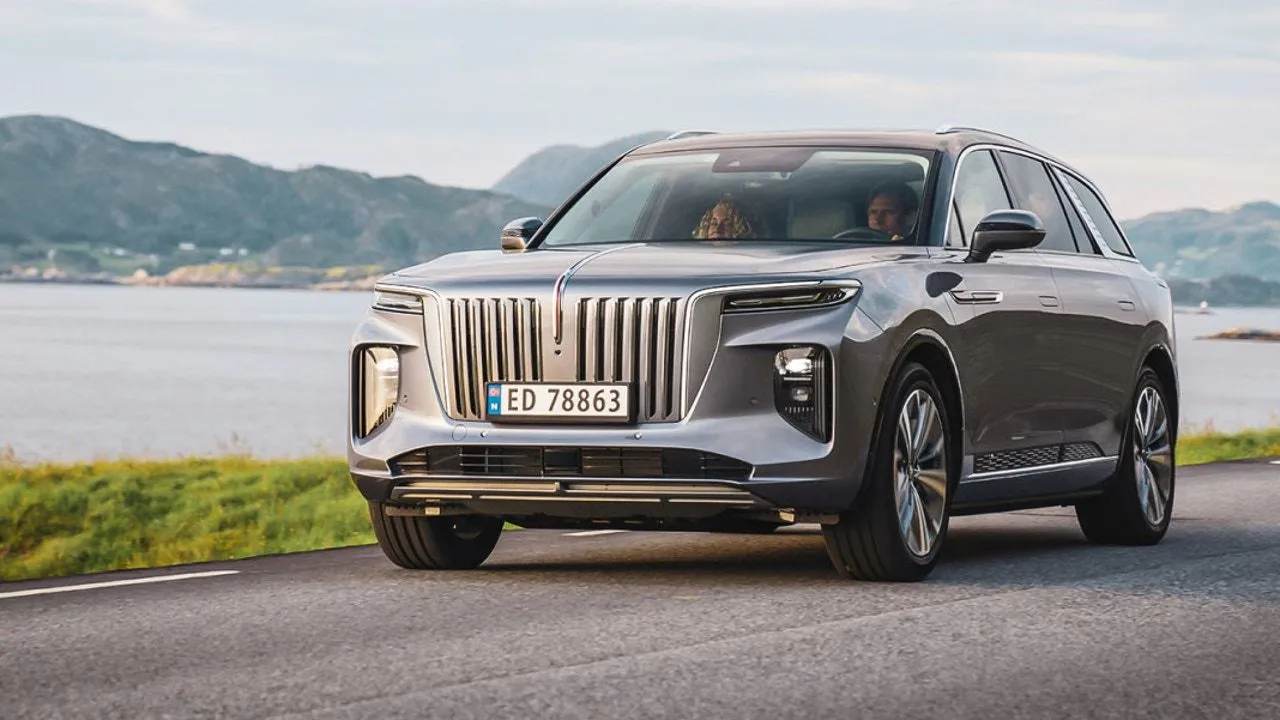
FAW and GAC face financial and operational challenges
The situation isn’t much better for FAW, which has not only seen its production decline over the past five years but is also falling behind in transitioning to new energy vehicles (electric, extended-range electric, and plug-in hybrids), which currently account for only 13.5% of its total production. To reverse this trend, FAW signed a strategic agreement with Leapmotor at the end of 2025.
The partnership between FAW and GAC would strengthen the position of both state-owned automakers, paving the way for industrial consolidation that is bound to occur sooner or later. He Xiaopeng, CEO of XPeng, noted a few months ago that in the future China will have five major automakers with profits comparable to those of the world’s leading automotive groups (Toyota, Volkswagen, Hyundai, Stellantis, General Motors).
Last year, Xiaopeng predicted that not all manufacturers would survive the consolidation process: in his view, only the five most innovative and efficient groups will endure over the next five years. "No Chinese automaker is safe." The Korean, American, European, and Japanese industries have already gone through similar processes in the past.
Source | CarNewsChina