
China Power Crisis: SPD and Greens Advocate for Tariffs
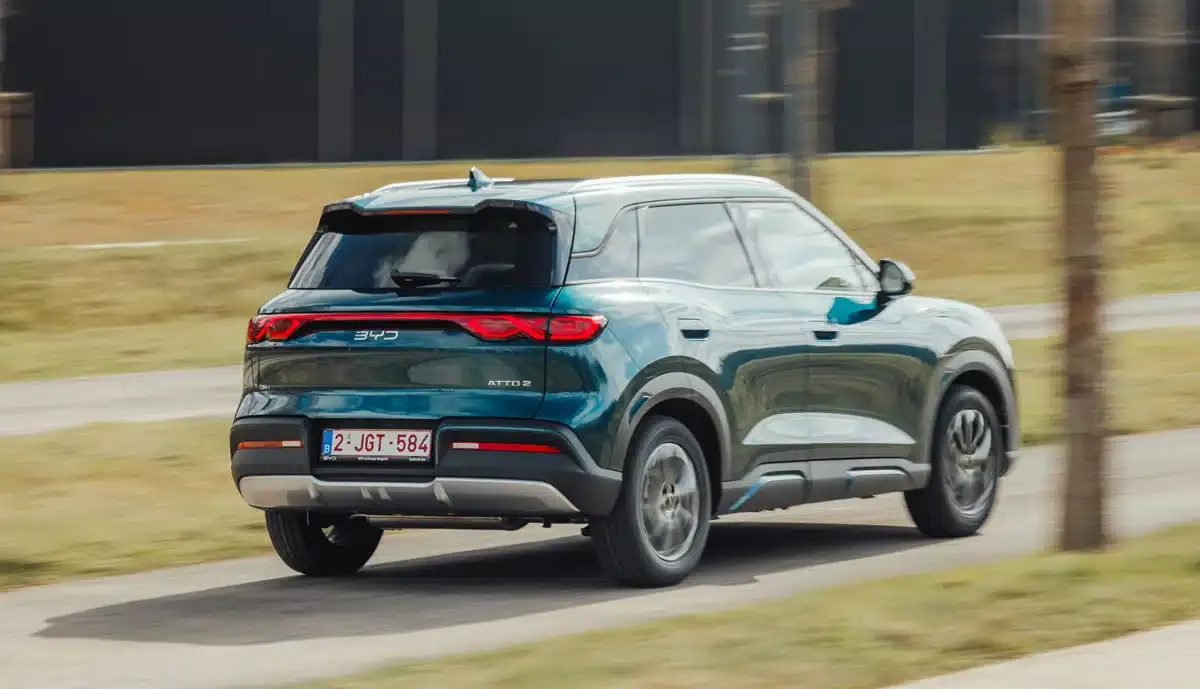
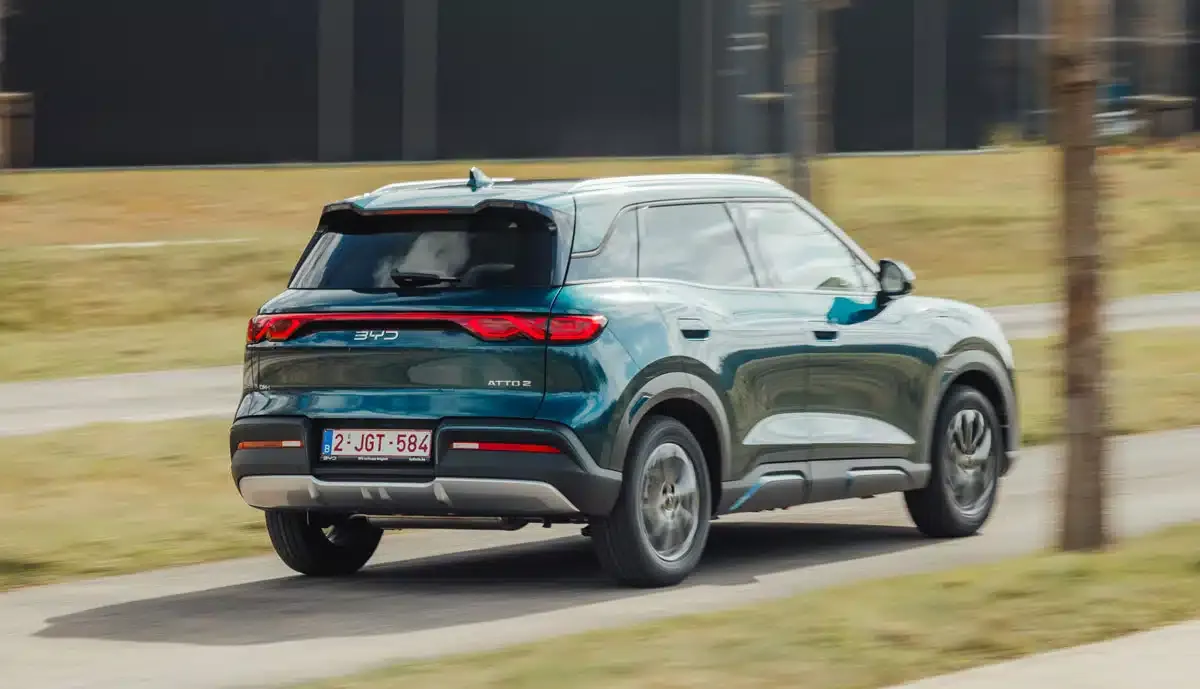
Image: BYD (illustrative)
The SPD supports the introduction of EU tariffs on Chinese hybrid cars. According to a Bloomberg report, the party plans to include this in an economic document to be approved soon. The Greens also want a tougher stance toward China.
Since late 2024, EU tariffs of up to 45 percent have applied to electric cars produced in China. Plug-in hybrid models from the People’s Republic, which are now also being imported to Europe in increasing numbers, have not yet been subject to additional tariffs. The SPD calls for closing this gap to protect European manufacturers from market-distorting practices.
“We must protect our automotive industry more resolutely from Chinese models offered at extremely low prices through unfair practices,” the SPD document draft states according to the report. “We urge the federal government to use its influence so that the EU finally closes the gap regarding plug-in hybrids and imposes tariffs on them just like on fully electric cars.”
A new trade strategy is necessary due to a changing world, the party argues. Other countries’ shift toward geo-economic power politics forces Germany and the EU to develop new geo-economic strategic capabilities. Berlin and Brussels must bring the production of key industries back to Europe, combat currency manipulation, and better protect workers “from a flood of foreign products.”
Greens Support a Stricter Approach Toward China
Felix Banaszak, the leader of the Greens party, also advocates for tariffs against Chinese automakers in an interview with Auto Motor und Sport. He criticizes Germany for long ignoring that country’s violations of World Trade Organization rules.
"We must have an interest in maintaining industries such as automotive, steel, and chemicals here even in the future. Even a large economy like the EU can only tolerate imports whose prices are distorted to our disadvantage to a certain extent," said Banaszak. "Beyond a certain point, we must put a stop to this unfair power struggle by using stricter trade tools such as tariffs."
Banaszak also warns of geopolitical systemic rivalry and the risk that China could use raw materials as a weapon. “The question is whether we want to rely on a country that, in times of need, is willing to use its market power politically—for example, to prevent a strong German or European response if Taiwan were occupied—for solar panels, battery cells, and other technologies.”
The Green Party politician calls for coordinated European economic policy to avoid dependencies in technology. Excessive reliance on China should be viewed as critically important as the previous dependence on Russian natural gas. Banaszak sees “regrettably zero ambition” in the current black-red government coalition.
Also interesting
About the author
Thomas Langenbucher is an expert in electromobility with professional experience in the automotive industry and finance sector. Since 2011, he has been covering electric vehicles, sustainable technologies, and mobility solutions for ecomento.de. Learn more.
Reader interactions