
China knows that sodium batteries are the future, and decides to give them a tax advantage over lithium batteries.
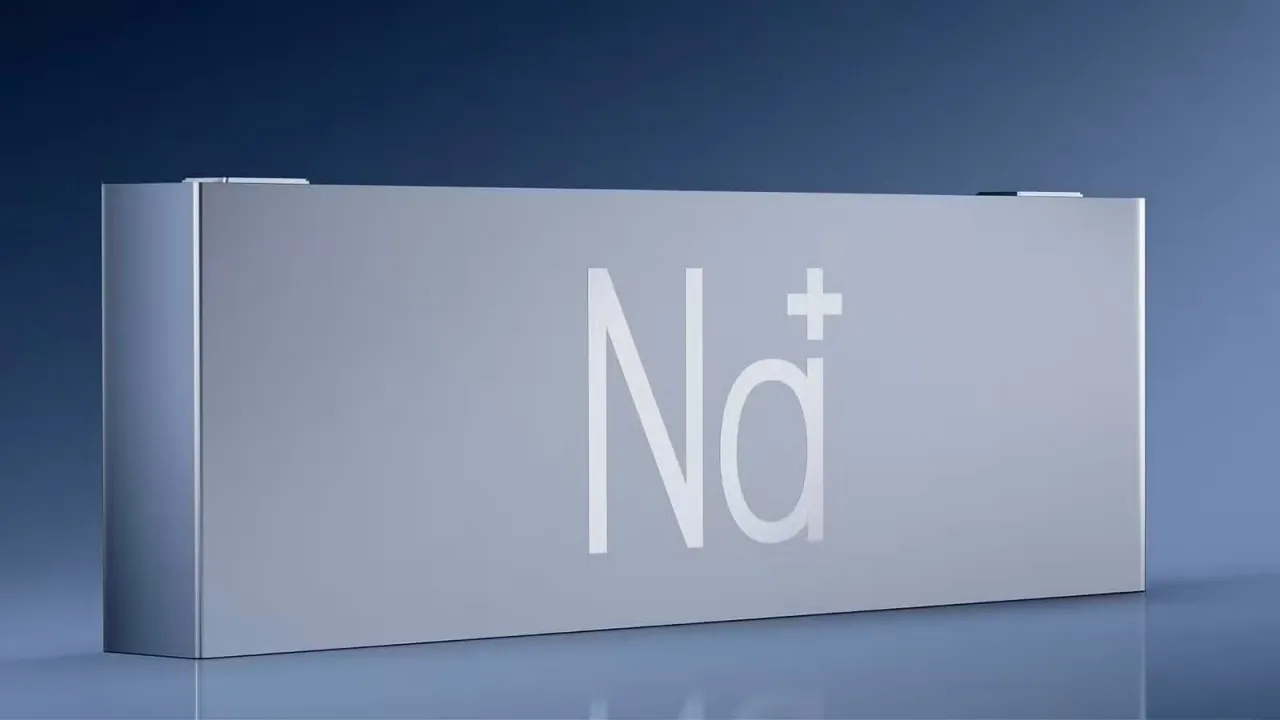
Sodium batteries represent the next major revolution in this industry, and China is aware of this. The Asian country is actively promoting this technology to maintain the dominant position it has achieved in recent years thanks to LFP (lithium-iron-phosphate) chemistry, which has allowed its industry to surpass that of Japan and South Korea.
Although Chinese authorities recently introduced a consumption tax on certain lithium batteries, sodium batteries that meet specific requirements will be exempt from this new tax until 2028, reflecting Beijing’s interest in developing this promising alternative. As of September 1, 2026, certain lithium batteries are subject to a 2% tax.
This percentage will rise to 4% starting from September 1, 2027. Sodium batteries, solid-state batteries, and fuel cells will not be affected until December 31, 2028. This difference in taxation may be due to the fact that falling lithium prices are reducing the cost advantage of sodium batteries, which in turn could impact their adoption.
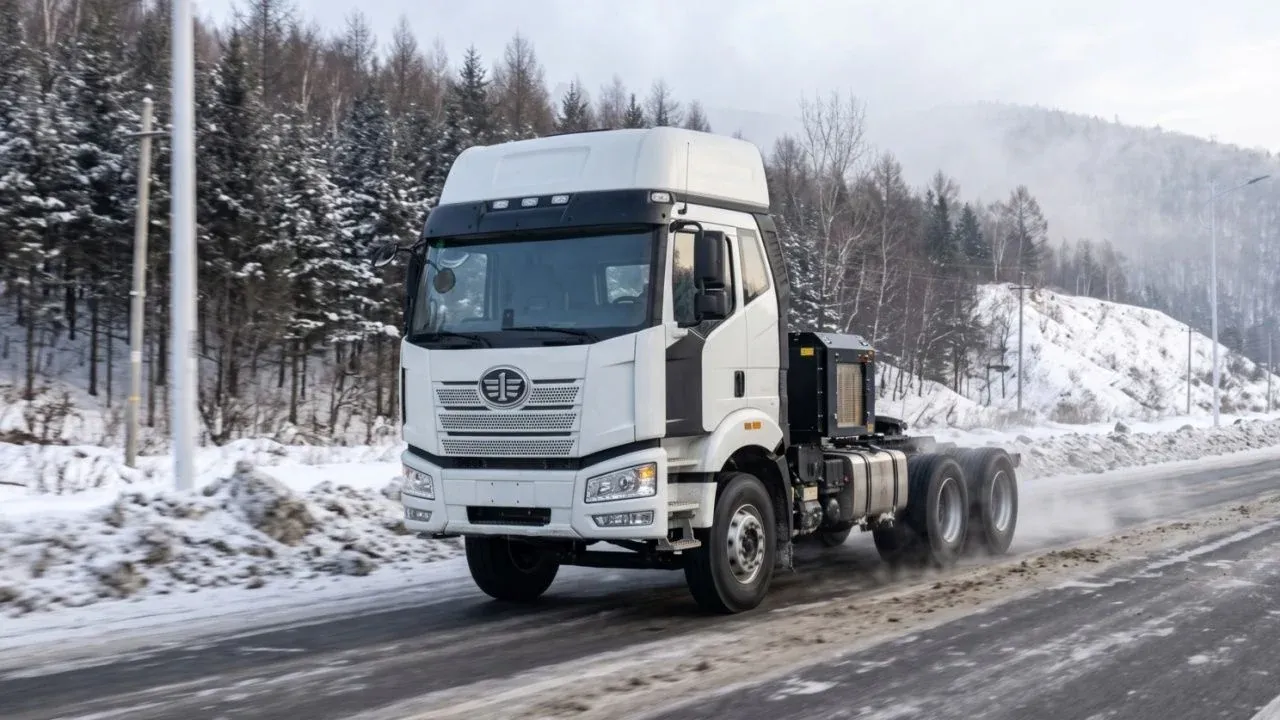
Beyond their potential lower cost (it is estimated that once they reach sufficient scale, they could be 30% cheaper than LFP batteries), sodium batteries offer other advantages. First, their raw materials are more geographically distributed; additionally, they provide better cold resistance (FAW Jiefang recently tested an electric truck equipped with a sodium battery, which retained over 90% of its usable capacity at -40 °C).
CATL is firmly committed to sodium batteries
Companies like CATL and Hina are investing in the development of this technology, which some experts believe could account for 30-40% of the market in the coming years. Other firms such as BYD are also working on their own sodium batteries, though it seems they are currently focusing more on the stationary energy storage sector.
CATL’s sodium batteries offer an energy density of 175 Wh/kg, enabling the development of electric cars with a range of up to 500 km CLTC; however, the Chinese giant is already working on its third generation, which will provide improved specifications and enable a range of 600 km CLTC.
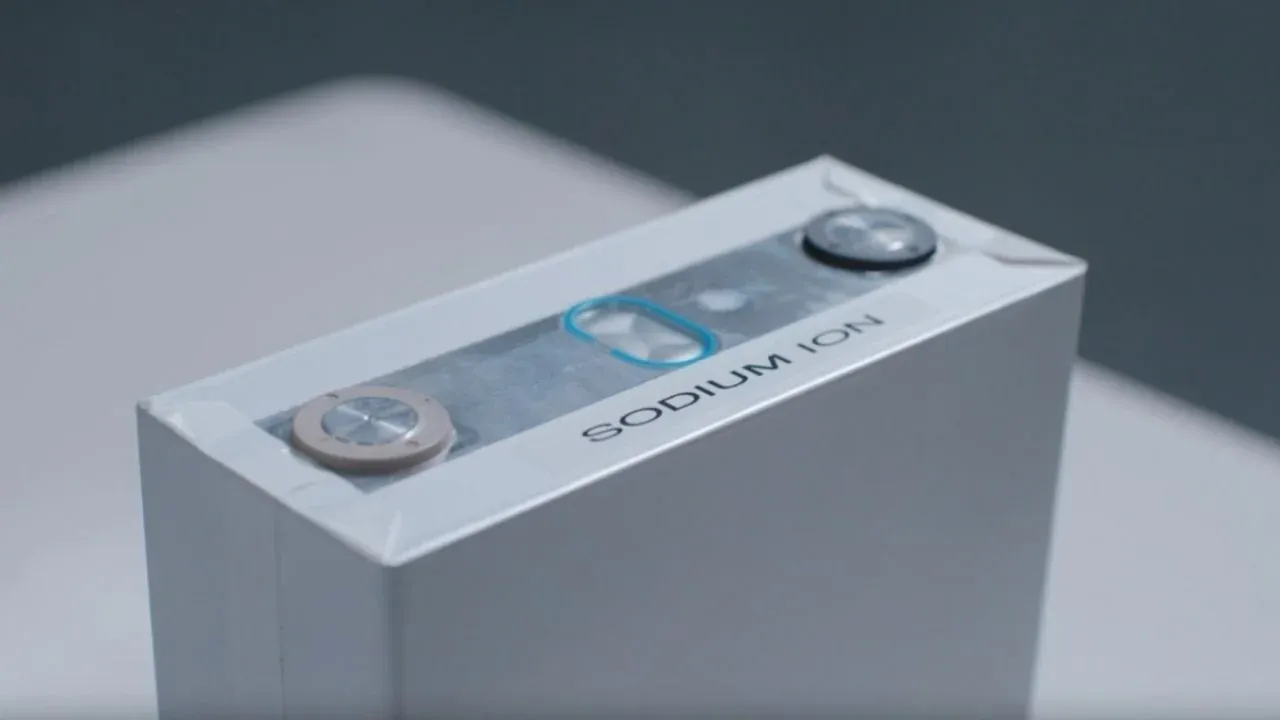
They have a higher threshold for thermal runaway (over 200 ºC) compared to lithium batteries, making them safer. Additionally, they offer a long lifespan (between 10,000 and 15,000 cycles, depending on the application). Their thermal stability requires much simpler cooling systems; finally, they support higher charging rates (with a 5C charging rate, the temperature rises by only 5 ºC).
Source | CarNewsChina