
China refuses to restrict hybrid car sales in Europe
China shows no willingness to restrict the sale of Chinese hybrids in Europe, as proposed by the European Union.
The trade dispute between the European Union (EU) and China in the automotive sector is taking on a new dimension. After Brussels imposed additional tariffs on electric cars manufactured in China, hybrids are now at the center of attention.
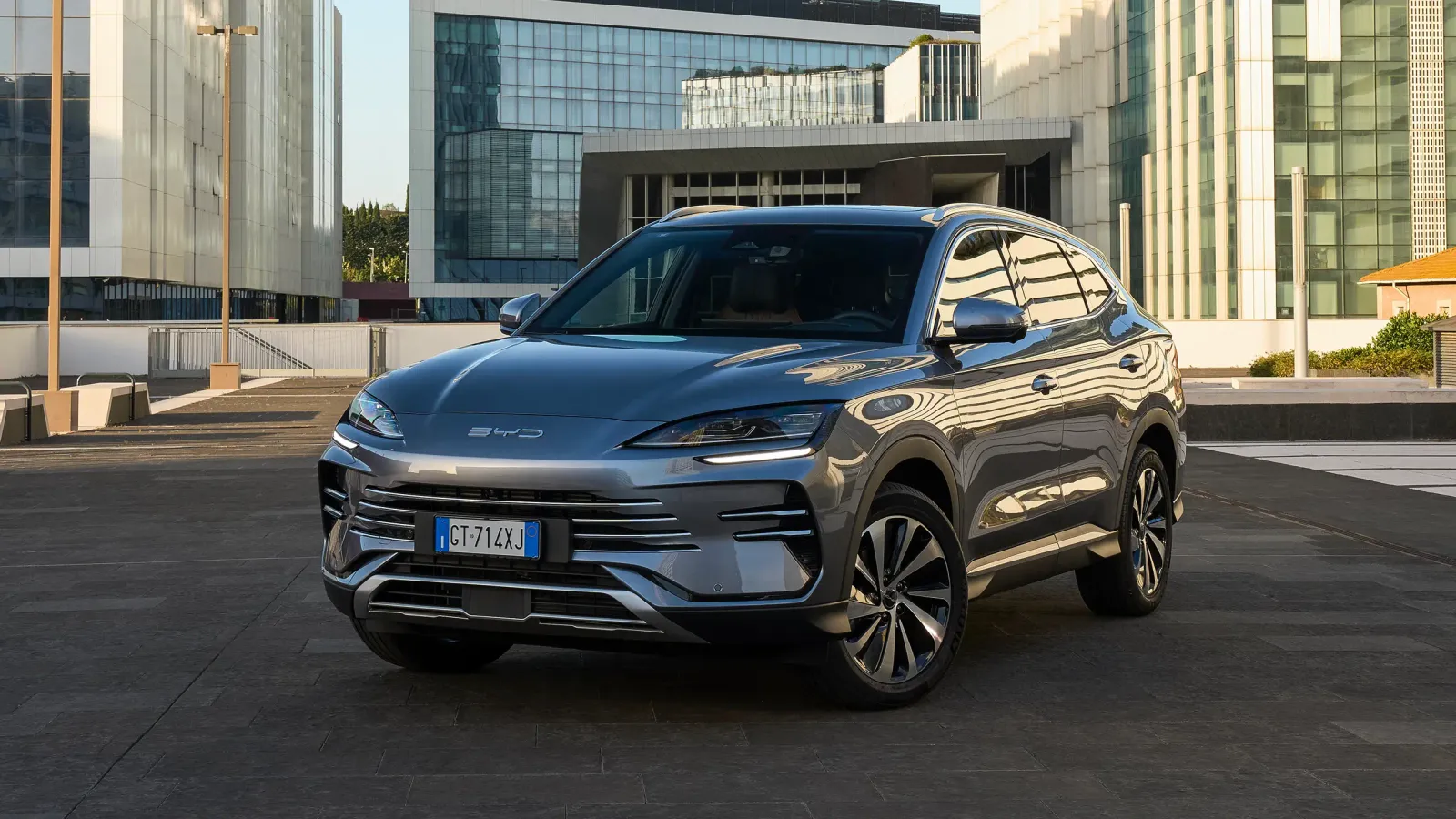
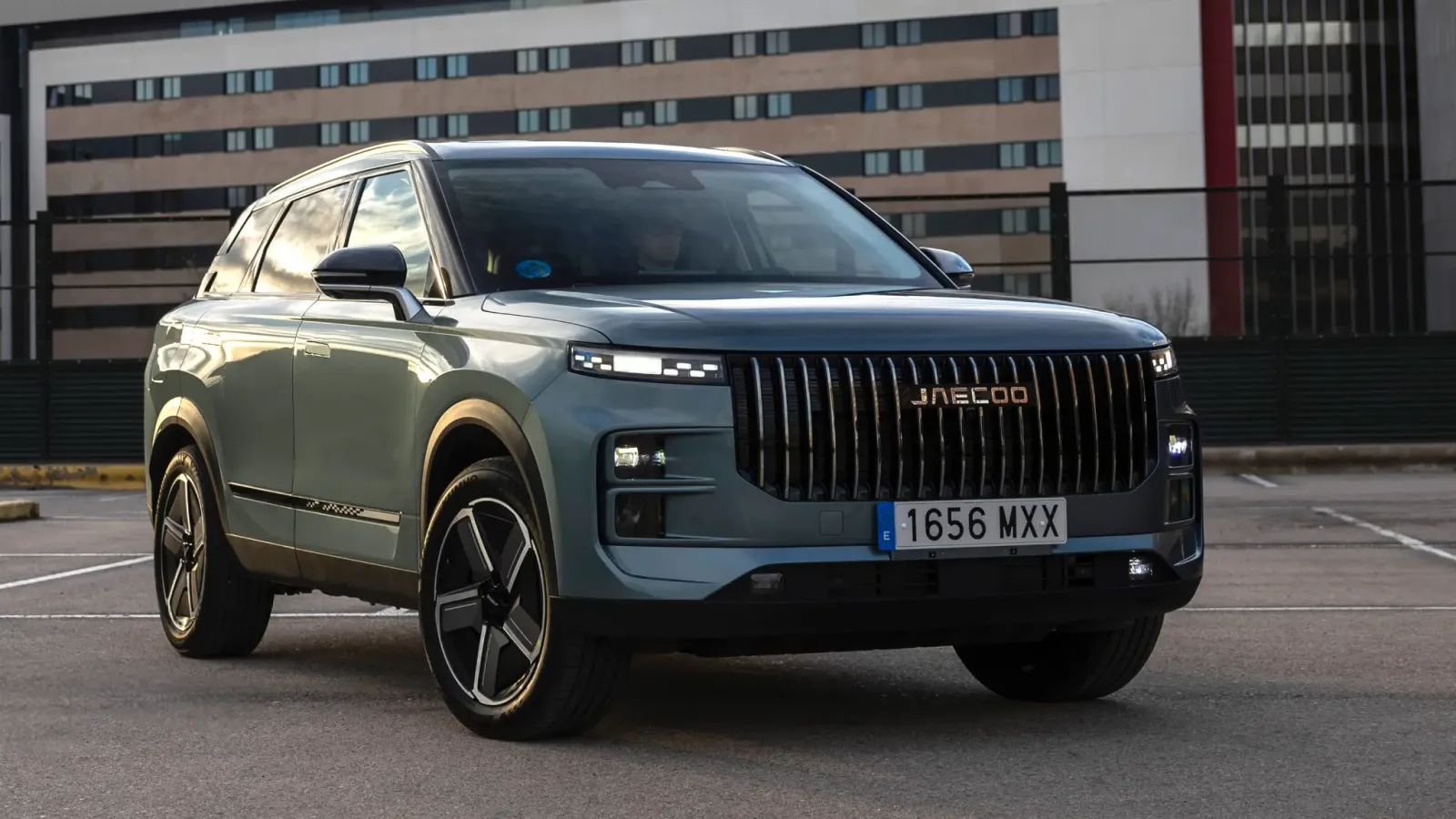
Since the new tariffs, in effect since 2024, do not apply to hybrids — which remain subject to the regular 10% import tariff — many Chinese automakers have increased their investment in this technology, and the results are already evident. As of July, the three best-selling plug-in hybrids in Europe were Chinese: BYD Seal U, BYD Atto 2, and Jaecoo 7 (source: Dataforce).
In this context, the EU is said to have asked China to voluntarily restrict sales of hybrids in the European market. According to the Financial Times, the proposal would involve limiting the share of Chinese-made hybrid manufacturers in the European market to about 15%.
Beijing, however, does not seem willing to accept this proposal. When questioned by Russia’s state news agency RIA Novosti about the alleged EU request, Chinese Foreign Ministry spokesperson Guo Jiakun referred the details to the relevant authorities but advocated for a solution through dialogue.
Although it has not announced a formal refusal, China’s response shows no willingness to accept this limit. Jiakun emphasized that economic and trade relations between China and the EU are “mutually beneficial” and should not be viewed as a competition where one side can only win at the expense of the other.
China calls for openness and equal rules
The Chinese spokesperson argued that trade disputes should be resolved through consultations and dialogue on an equal footing.
We hope the EU will honor its commitments to market openness and free trade, abide by the rules of the World Trade Organization (WTO), and provide a fair, equitable, and non-discriminatory environment for companies from all countries. We will closely monitor the EU’s actions and take whatever steps are necessary to protect the legitimate rights and interests of our companies,” concluded the official.