
China sets a deadline for battery revolution: aims for solid electrolytes by 2030

China has just set a deadline for one of the major technological advancements that the battery industry has been pursuing for years. The country has unveiled its roadmap for the next five years, aiming to accelerate the development of new technologies and further strengthen a supply chain that already holds immense significance globally. Among all the technologies mentioned in the document, one stands out particularly.
China’s Ministry of Industry and Information Technology, along with six other government agencies, has released the new development plan for the battery industry for the period 2026-2030. The document outlines the sector’s priorities during the so-called 15th Five-Year Plan and places next-generation technologies at the core of the country’s industrial strategy.
China aims to bring solid-state batteries into large-scale production

The most notable goal is that China wants to achieve the first large-scale application of fully solid-state batteries by 2030. The plan calls for accelerating the transition from research and prototypes to commercialization, focusing on some of the key obstacles still hindering this technology.
It’s not just about manufacturing a battery with a solid electrolyte and installing it in a car. The document explicitly mentions the need to improve ionic conductivity and stability during charging and discharging cycles, while also working to reduce manufacturing costs. It also discusses improving the contact between different materials, extending lifespan, and developing systems that allow control over the pressure required for these batteries to function properly.
Another key point will be increasing the production capacity of high-performance solid electrolytes. China also aims to develop the equipment needed to manufacture these batteries on a large scale, including isostatic presses and other systems specific to this technology. In other words, the goal is not to stay confined to laboratories, but to build an industry capable of producing them in large quantities.

The plan also includes combining high-voltage, high-capacity cathode materials with lithium-metal-based anodes, as well as exploring anode-free designs. These are some of the approaches that could significantly increase energy density compared to conventional batteries, though there are still major technical and economic challenges before these solutions can be widely adopted.
China, however, does not want to bet everything on a single technology. The new document proposes maintaining a structure in which lithium batteries remain the foundation of the industry, alongside other alternatives such as sodium batteries and flow batteries. The goal is to have different solutions available depending on the needs of each application.
Sodium batteries are also receiving special attention. The plan highlights their advantages in terms of cost, safety, and resource availability, and aims to advance battery technology for vehicles and energy storage that can operate in cold conditions, with higher energy density and a longer lifespan.
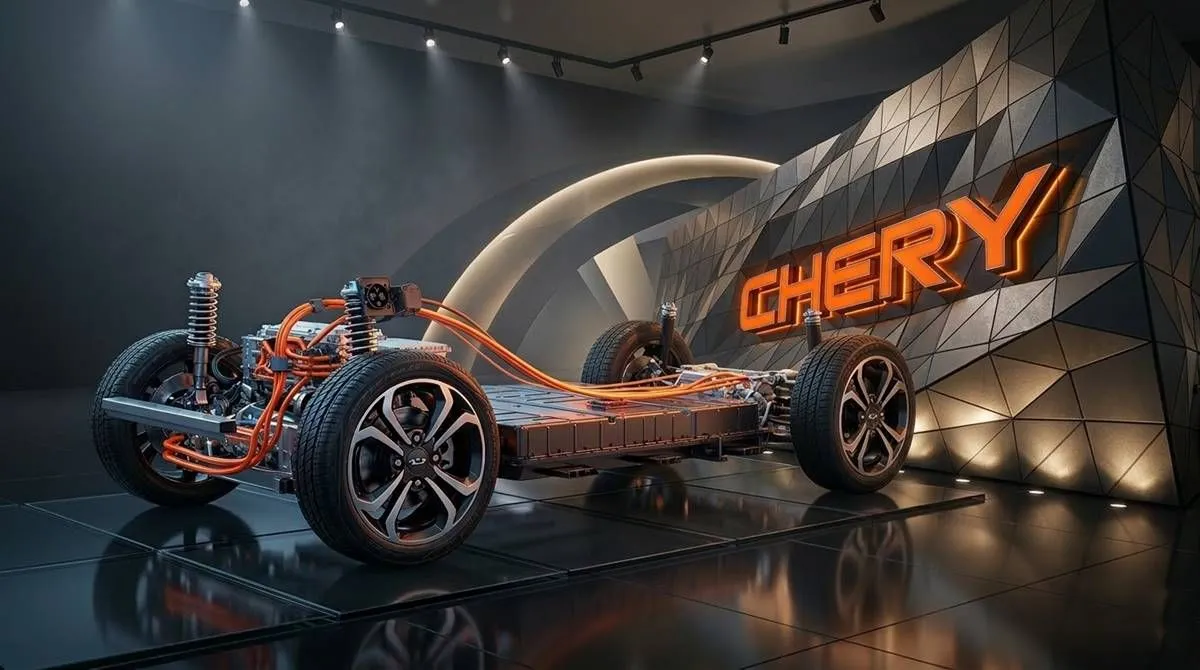
The strategy goes beyond simply increasing storage capacity. China aims for long-life lithium batteries to achieve 15,000 charge and discharge cycles during this period. At the same time, the government wants leading manufacturers to keep their defect rates at the parts per billion level, a requirement aimed directly at improving production quality and reliability.
Another goal is to strengthen the domestic industry for raw materials. The document calls for accelerating the exploration and development of domestic lithium, cobalt, and other minerals deemed strategic to ensure supply for an industry that increasingly relies on them.
There will also be changes to the corporate structure itself. The plan encourages mergers and restructurings within the sector, in an effort to consolidate an industry that has seen significant capacity expansion over the past few years. The aim is to improve efficiency and strengthen supply chain security.
Recycling also holds significant importance. Manufacturers will need to establish systems for collecting used batteries based on their sales volumes, and China wants to promote the development of recycling capacity in its key overseas markets where its companies operate, provided conditions permit.
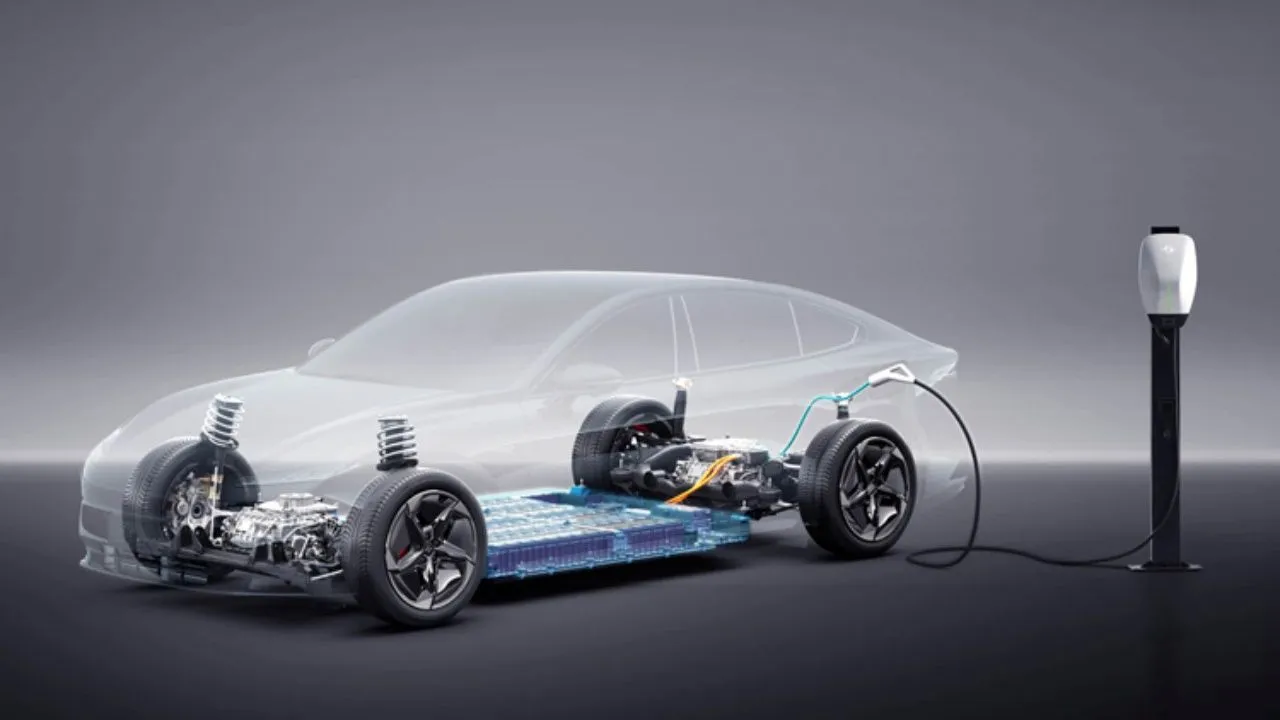
This new plan comes just a few weeks after China unveiled its specific strategy for the electric and connected vehicles industry for the 2026-2030 period. In that strategy, the Asian country set a goal for new energy vehicles to account for 70% of domestic new passenger car sales by 2030.
The overlap between these two plans makes it quite clear the direction China intends to take in the coming years: continuing to increase the presence of electric vehicles while accelerating the development of technologies that could radically transform their batteries.
The major question now is the speed at which these technologies will be able to move beyond prototypes and reach mass-produced models. China’s plan does not require that all batteries be solid-state by 2030; instead, it sets a goal for the first large-scale application of this technology.
This leaves room for different solutions to coexist in the coming years. Conventional lithium batteries will continue to play a key role, while sodium batteries may gain ground in certain applications, and solid-state batteries will gradually be adopted in electric vehicles with longer range, lower weight, and improved performance.
The key point is that China no longer views solid-state batteries merely as a technology for the distant future. 2030 now appears as an official deadline for beginning their large-scale deployment, and the new plan outlines much of the industrial infrastructure needed to achieve this goal.