
China isn’t playing around: it wants to prevent its brands from repeating the same mistake abroad at all costs.
04/09/2026 15:45
Updated to
04/09/2026 15:45
China has been pushing its automakers overseas for years, but now it is also concerned about how they are entering those markets. The Chinese government has issued new guidelines to regulate the international operations of its companies, with one message being particularly significant: the price war affecting the Chinese market should not spread uncontrollably to the rest of the world.
The rules, published on September 1, require companies to comply with each country’s laws, including those related to competition, data protection, anti-corruption, and intellectual property. But Beijing also emphasizes trade policies and demands that prices be set based on the actual costs and conditions in each market.
It is not a ban on selling cheap cars. The focus is on preventing strategies that could artificially distort competition and ultimately harm not only local rivals but also the reputation of the entire Chinese industry.
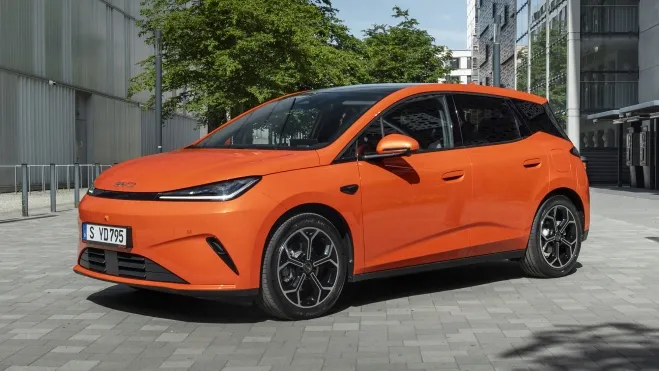
China exported 8.32 million vehicles in one year
The concern arises when Chinese cars already possess a global presence that is hard to ignore. In 2025, China exported around 8.32 million vehicles to more than 200 markets, while its companies had made automotive-related investments in over 80 countries.
Manufacturers such as BYD, Chery, Geely, and SAIC have stopped relying solely on exports and are establishing factories, sales networks, and their own structures outside China. This growth makes the sector’s reputation a strategic matter for Beijing.
Within China, the situation is quite different. Dozens of manufacturers compete through continuous price cuts, promotions, and increasingly rapid product launches. In some cases, this pressure has forced them to accept very narrow profit margins and even sparked debates about sales below sustainable levels. Transferring this dynamic abroad could trigger an even stronger political reaction.
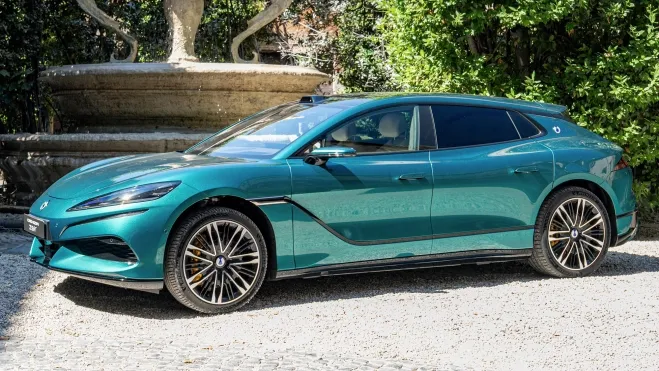
Europe is one of the key markets where China is highly competitive
For Spain and the rest of Europe, these new guidelines come at a particularly sensitive time. The European Union has been examining the government support received by electric cars manufactured in China for years and has already imposed additional tariffs to counter what it views as an advantage resulting from certain subsidies.
This is compounded by growing concerns over China’s massive production capacity. If brands try to sell this surplus in Europe through increasingly large discounts, tensions with local manufacturers could rise even further.
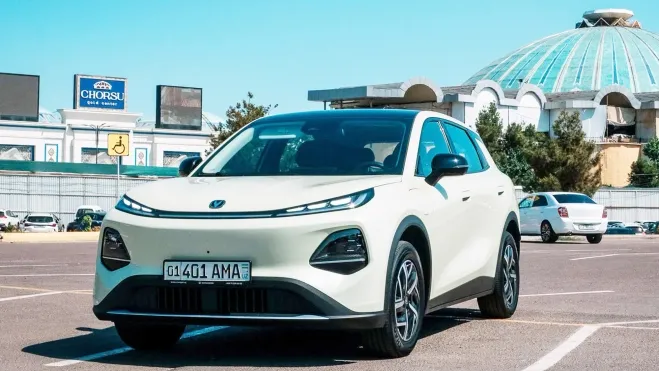
That’s why Beijing’s message is interesting: China wants its cars to continue gaining international market share, but not at any cost.
For its automakers, selling very cheaply can help them enter a country quickly. The problem arises if that strategy erodes profit margins, leads to accusations of unfair competition, or triggers new trade barriers.
China has already shown it can produce electric and hybrid cars on a massive scale. Its next challenge will be quite different: getting BYD, Chery, Geely, SAIC, and the others to compete with each other to capture global markets without turning every new market into another price war like those they face at home.