
China takes LFP batteries to the next level: they exceed 200 Wh/kg, are cheaper, and can be manufactured much faster
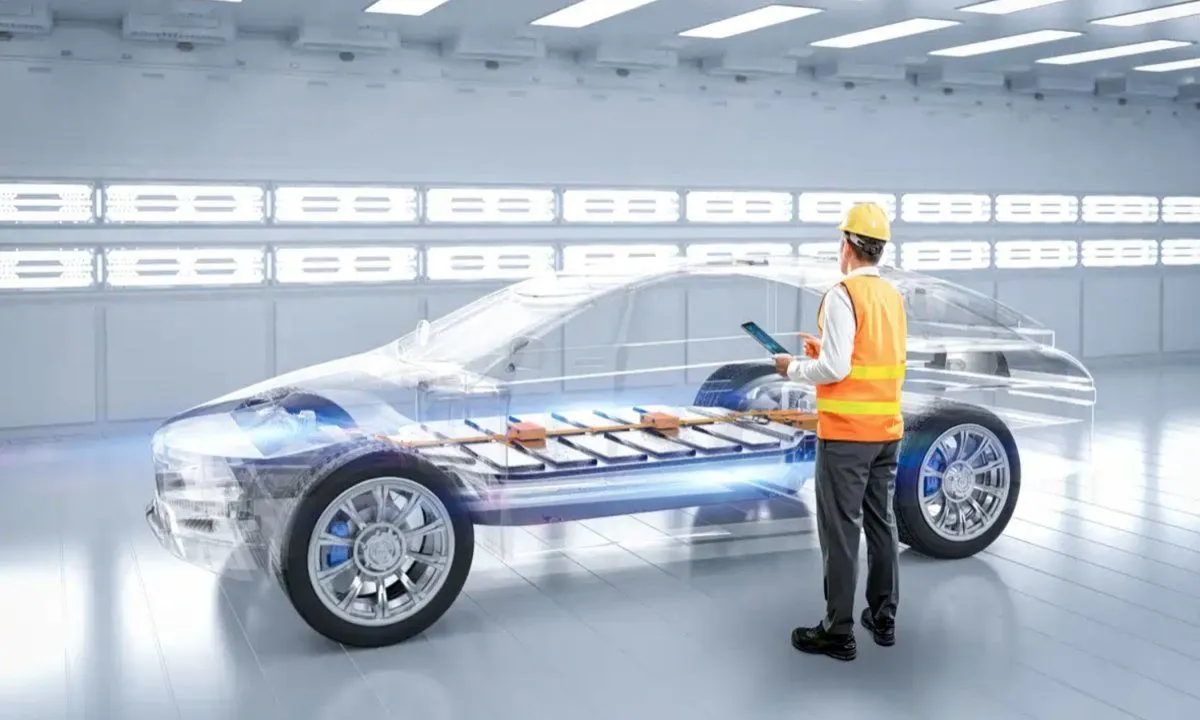
Lithium iron phosphate (LFP) has become the dominant chemistry in China, but that doesn’t mean it has reached its limits. On the contrary, Chinese manufacturers continue to seek ways to extract more energy from a technology that has for years lagged behind nickel-based batteries in terms of energy density.
The latest developments come from the World Power Battery Conference 2026 held in Yibin, where several technologies were presented as significant advancements for China’s industry. Among them is a fourth-generation high-density LFP capable of exceeding 200 Wh/kg, along with a new generation of prismatic cell manufacturing that increases winding speed from 4.4 to 7.5 cells per minute.
They are not two numbers that need to be combined, as they correspond to different developments. One relates to the evolution of the cell itself and the materials used, while the other refers to the industrial process employed in its manufacturing. But together they show quite clearly where China is heading: more energy within the cell and greater production capacity with each manufacturing line.
LFP Aims to Overcome Its Own Limits
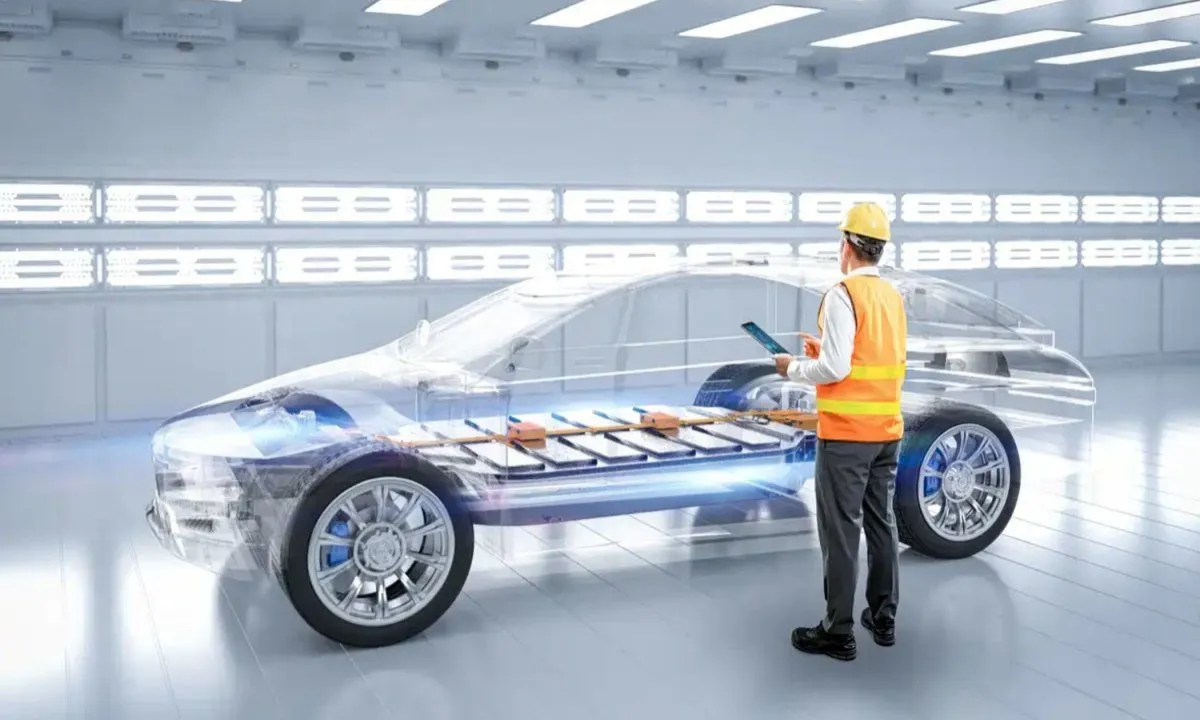
The LFP battery has been gaining ground for years over ternary material batteries due to its cost, safety, and long lifespan. In China, it is no longer a secondary technology. During the first six months of 2026, 335.6 GWh of traction batteries were installed, of which 272 GWh were LFP batteries, accounting for approximately 81% of the total. In June, its share even reached 83.3%.
The problem is that this chemistry has always had a clear disadvantage: its lower energy density. In recent years, much of the improvement has not come from increasing the energy stored in each cell but rather from making better use of the available space within the pack. Direct integration architectures, such as CATL’s CTP or BYD’s structural solutions, have allowed for the reduction of materials that do not store energy and enabled more capacity to be fitted into the same volume.
That approach remains important, but it has an obvious limit. As the pack structure is optimized further, there’s less room to increase autonomy without directly altering the cell. That’s why the fourth generation of highly compacted LFP is particularly interesting: the focus returns to the material and the amount of energy a cell can store.
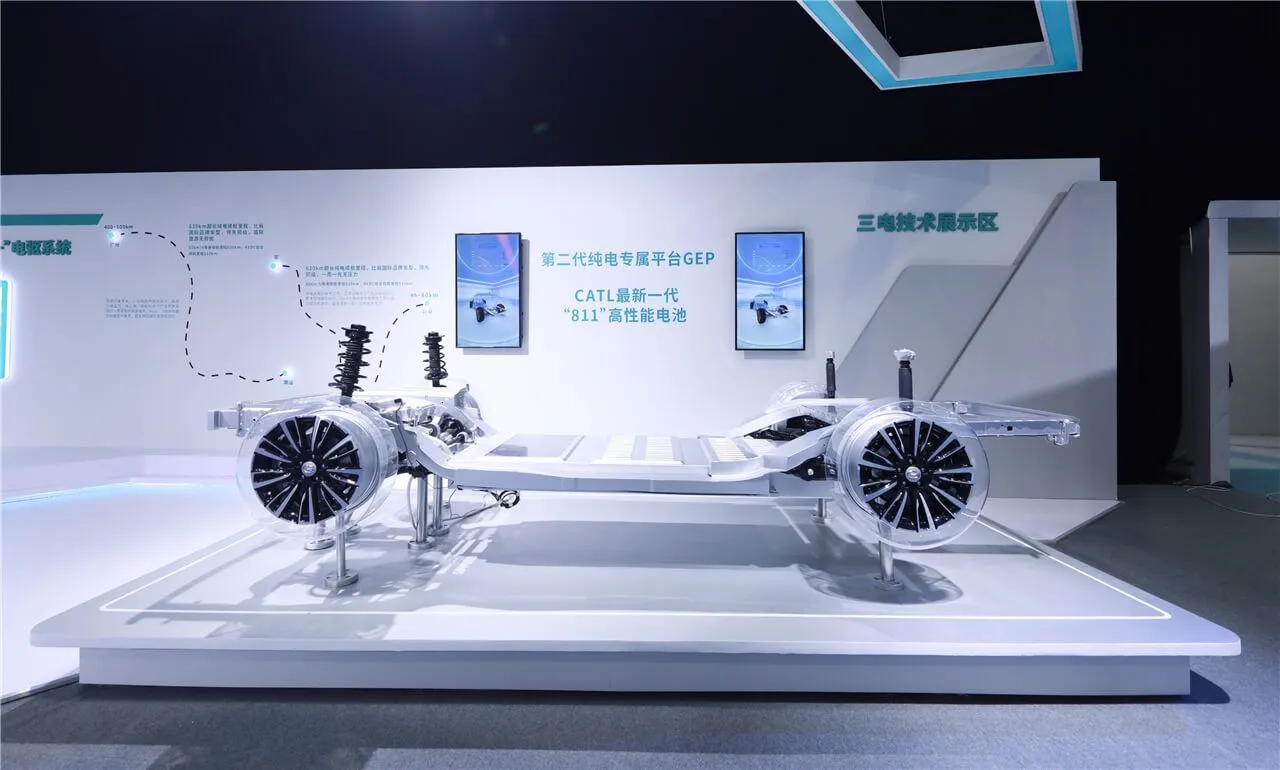
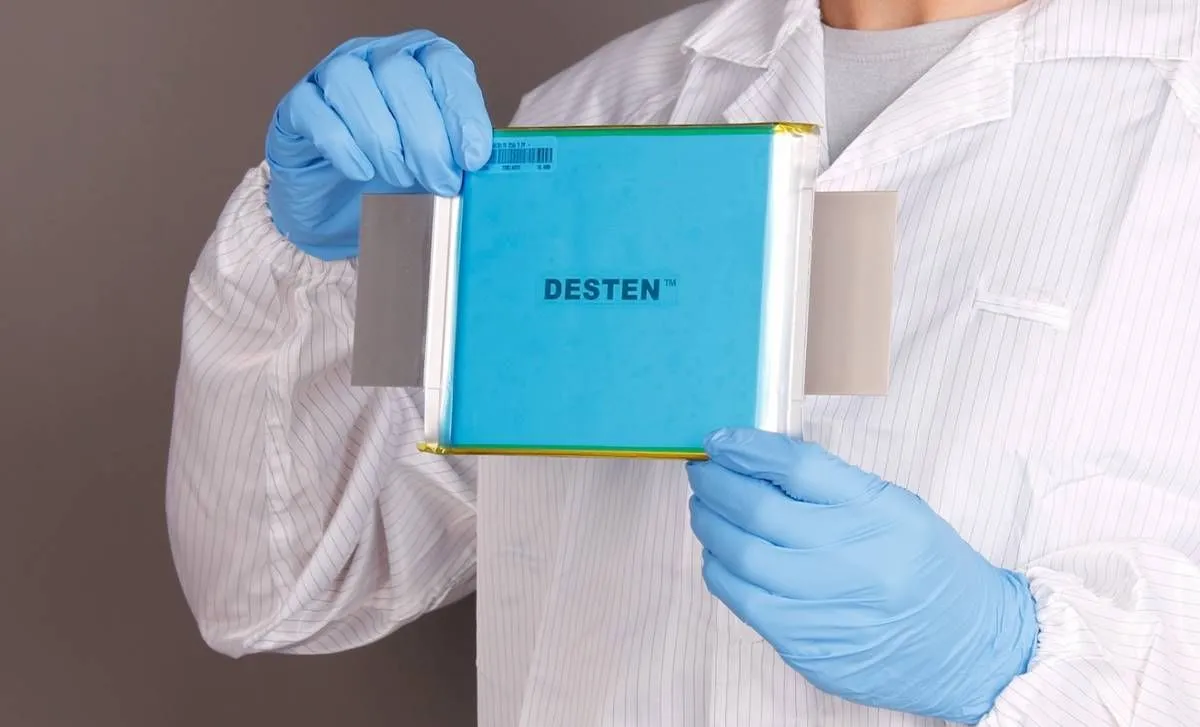
Ouyang Minggao confirmed in Yibin that this technology has already achieved an energy density of over 200 Wh/kg. This figure was presented as one of the major technological advancements in recent years and is part of the development of LFP materials with higher compression density.
The key lies in managing to fit more active material into the same space. High-density developments focus on particle distribution, size, coating, and electrode formulation to pack the material more densely without compromising other properties necessary for proper battery function.
The industry is shifting from compression densities of around 2.4-2.5 g/cm³ in previous generations to values above 2.6 g/cm³ in high-density solutions. This advancement allows for increased energy storage per volume, though it’s not simply a matter of compressing the material to achieve longer battery life. Manufacturing becomes increasingly complex, requiring greater control over particles and electrodes.
And here lies one of the main challenges. The more compact the electrode, the less space is available for the electrolyte to move within it. This can hinder ion transport and increase internal resistance. In other words, higher density does not always automatically mean a better battery. It is necessary to find a balance between energy, charge capacity, temperature, power, and lifespan.
That’s why the 200 Wh/kg figure is interesting, but it shouldn’t be interpreted as meaning all Chinese electric cars will immediately receive batteries with that density. It represents a technological advancement that needs to be translated into large-scale production at reasonable costs while maintaining the reliability and lifespan that have made LFP one of the most widely used chemistries.
Additionally, it’s useful to put this figure in context. For example, BYD took its second-generation Blade Battery to a new level in 2026, with solutions aimed at both power and range. The Long Blade 2.0 achieves around 210 Wh/kg in its high-energy specifications, though this version uses LMFP, so it’s not exactly comparable to the new highly compact LFP introduced in Yibin.
CATL has also continued to raise the bar. Its third-generation Qilin battery, introduced in 2026, achieves 280 Wh/kg at the cell level, but this is a high-density solution based on a different chemistry designed for high-performance vehicles with long ranges. CATL itself acknowledges that LFP is approaching its theoretical energy density limit, while NMC chemistries still hold an advantage in this regard.
That doesn’t make LFP an obsolete technology. On the contrary, the ability to exceed 200 Wh/kg allows for continued use of a relatively inexpensive and mature chemistry in electric vehicles that previously needed to rely on other solutions to achieve long ranges.
It could also be important in vehicles where battery weight is particularly significant. Higher density would allow maintaining a certain capacity while reducing mass, or increasing capacity without proportionally enlarging the battery pack. In an electric car, this could translate to longer range, lower consumption, or both.
But the advancements don’t stop at materials. China is also speeding up the production of battery cells themselves.
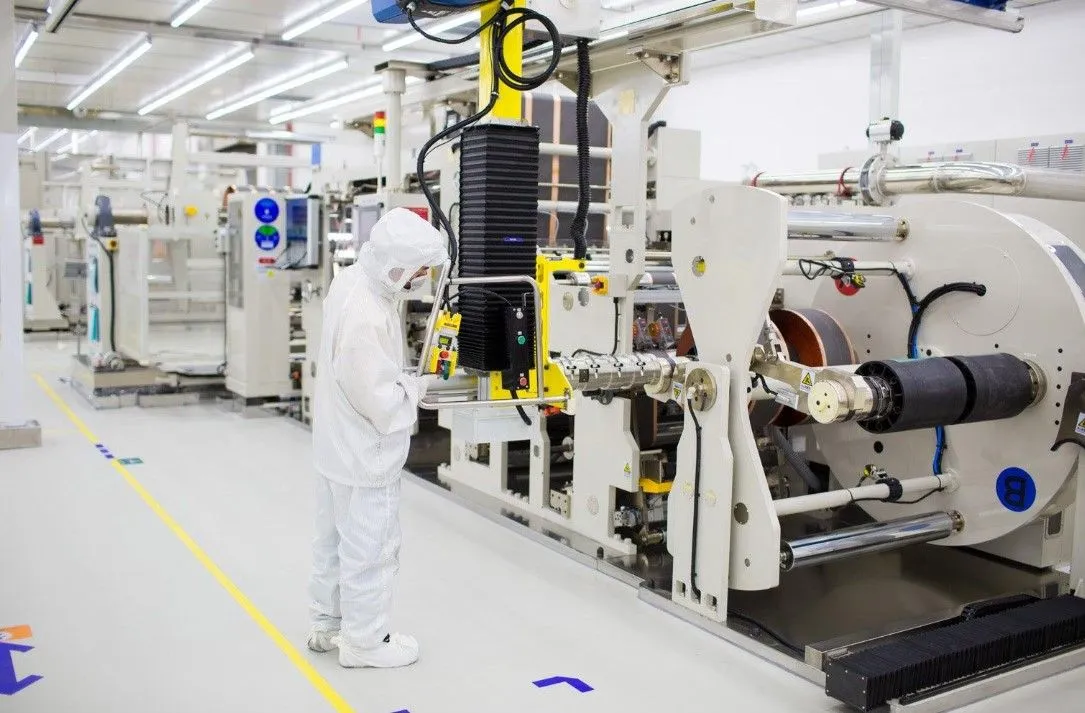
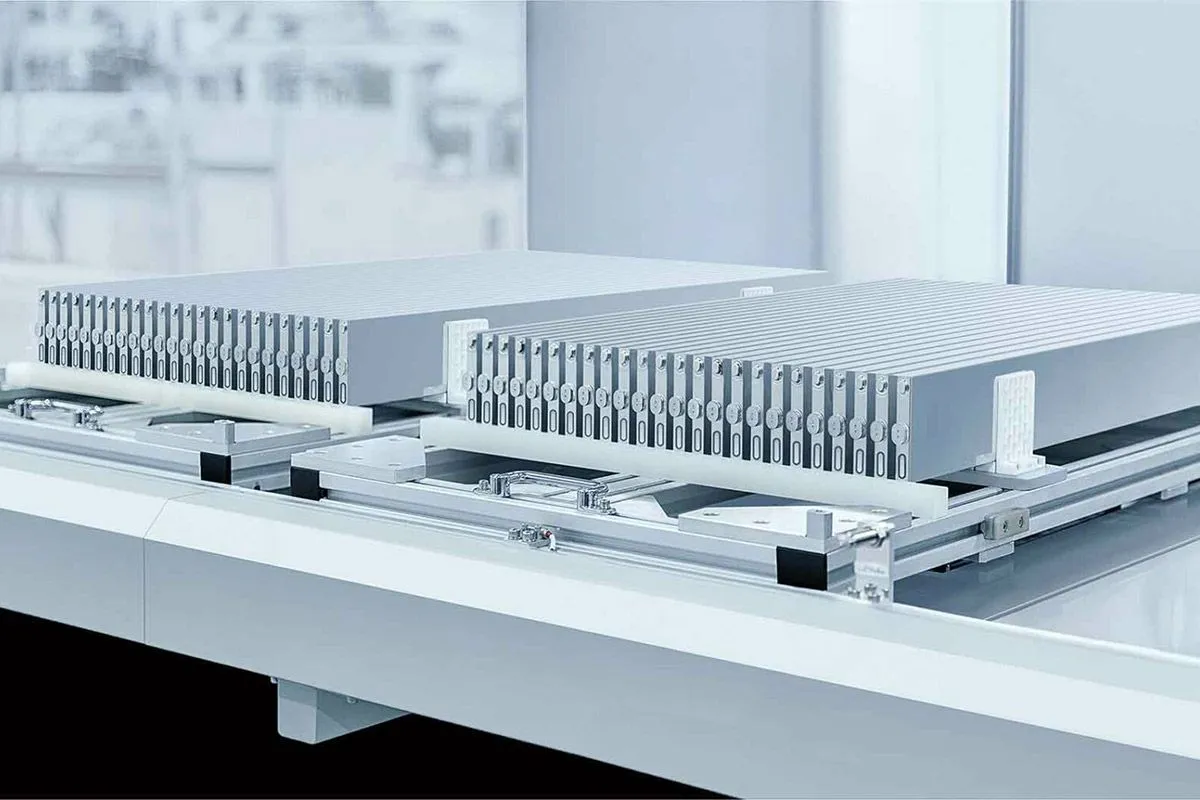
One of the developments presented at the conference increases the winding speed of prism cells from 4.4 to 7.5 cells per minute. This represents an approximate 70.5% increase at this specific stage of the manufacturing process.
The figure is impressive, but it’s important to keep things in perspective. Just because a machine can wind 7.5 cells per minute doesn’t mean an entire factory will produce 70% more finished batteries. After winding, there are still processes such as shaping, aging, testing, assembly, and quality control to go through.
That’s precisely why manufacturing speed is only one part of the equation. If the production lines are faster but bottlenecks arise in another stage, overall output doesn’t increase by the same amount. And when working with millions of cells, the rate of defective parts and process consistency are just as important as the maximum speed of the machinery.
All of this happens at a time when China is tightening safety requirements. Standard GB 38031-2025, which replaced the previous version GB 38031-2020, came into effect on July 1, 2026, and sets new mandatory requirements for electric vehicle traction batteries.
This means that increasing energy density cannot be achieved at any cost. New batteries must maintain a high level of safety, longevity, and thermal stability. In fact, the Yibin conference also presented a thermal management technology for vehicles that can improve battery performance in both cold and hot conditions, another major challenge faced by LFP batteries.
Therefore, the most important news is not simply that an LFP battery has exceeded 200 Wh/kg. What’s truly significant is that China is trying to maximize a technology it already dominates in its market, rather than waiting for solid-electrolyte batteries to solve all density-related problems on their own.
Solid-state batteries continue to advance and will play a crucial role in the years ahead, but the development of conventional chemistries has not halted. And until new generations arrive, LFP still has plenty of room for improvement through materials, manufacturing, integration, and thermal management.
If these advancements eventually lead to mass production at controlled costs, the outcome is quite easy to understand: electric cars with smaller and lighter LFP batteries to achieve the same range, or with greater range while maintaining almost the same size and weight.
That is precisely the appeal of this fourth generation. It doesn’t need to completely change its chemistry to keep progressing. China is trying to make more use of a technology it already knows, produces on a large scale, and uses in most of its electric cars. And for now, it seems it hasn’t said its last word yet.