
China launches nearly 3 electric cars per day and CATL warns of battery failures
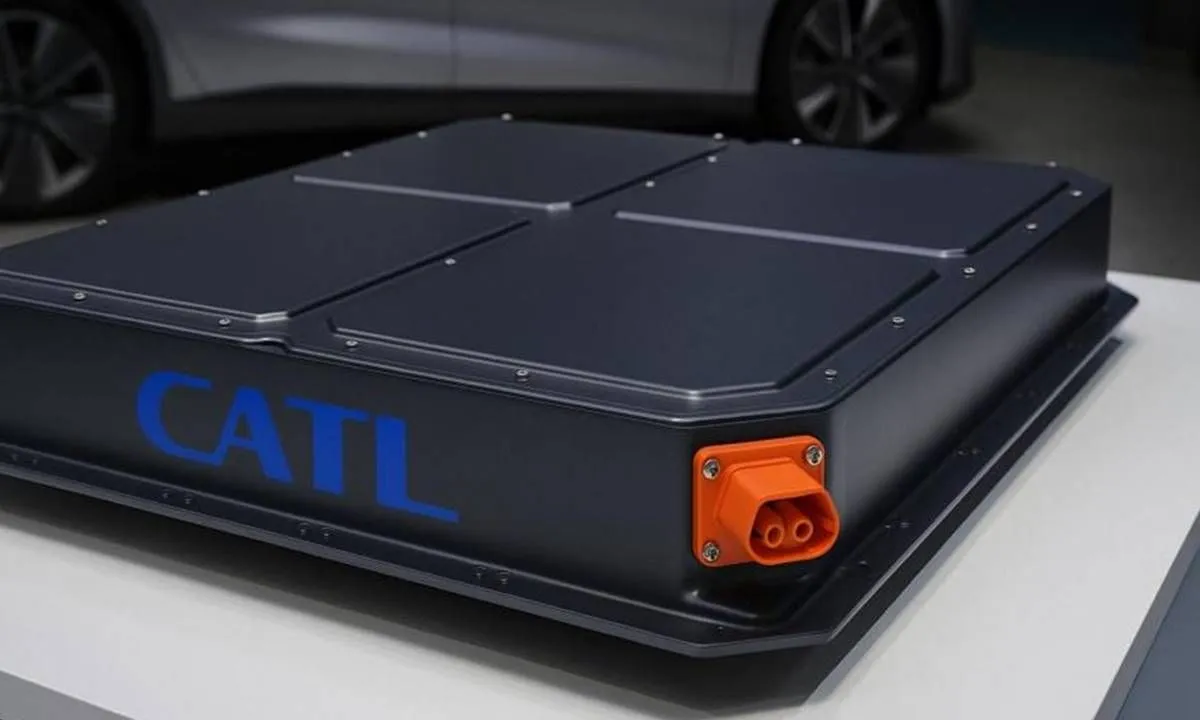
China is engaged in a fierce race to launch new electric vehicles. It’s an unprecedented frenzy, with three new models or updates being introduced every day. In light of this situation, CATL’s president, Robin Zeng, warned that the rapid development pace and price pressures are starting to cause quality issues in some batteries.
Zeng stated that over 600 new models have been introduced in China by 2026, averaging nearly three launches per day. He said that shortening the validation timelines required to maintain this pace has contributed to defects in some batteries that affect entire batches.
CATL’s official did not name any specific car brands or battery manufacturers. His warning comes at a particularly difficult time for China’s industry, with intense price wars squeezing profit margins for manufacturers and suppliers. Some high-volume models have seen their selling prices drop in the first half of the year, while the cost of LFP battery cells has fallen below 0.35 yuan per Wh, or about 0.04 euros per Wh.
That doesn’t mean there’s a proven direct relationship between price drops and battery failures. But it does help explain the context in which Chinese manufacturers are operating: more models, increasingly shorter development cycles, and enormous pressure to cut costs. And all this while batteries are becoming one of the key factors in differentiating electric cars.
This is not the first time that quality issues related to batteries have arisen in China. In December 2025, Geely’s subsidiary Viridi E-Mobility Technology sued manufacturer Sunwoda over alleged quality defects in cells supplied between June 2021 and December 2023. The company demanded 277 million euros at the time. The dispute was later resolved through an agreement in which Sunwoda agreed to pay 73 million euros, after accounting for amounts that had already been covered.
Problems have also arisen with batteries supplied by CALB for GAC Aion models. Around 213,000 units were affected by cell-related issues, with users reporting battery swelling, power loss, and other malfunctions. The case became widely known as the “banana battery” controversy because some of the affected cells appeared to have a curved shape. CALB later announced reforms and new inspection measures to strengthen quality control.
A problem with a single cell can affect the entire battery pack
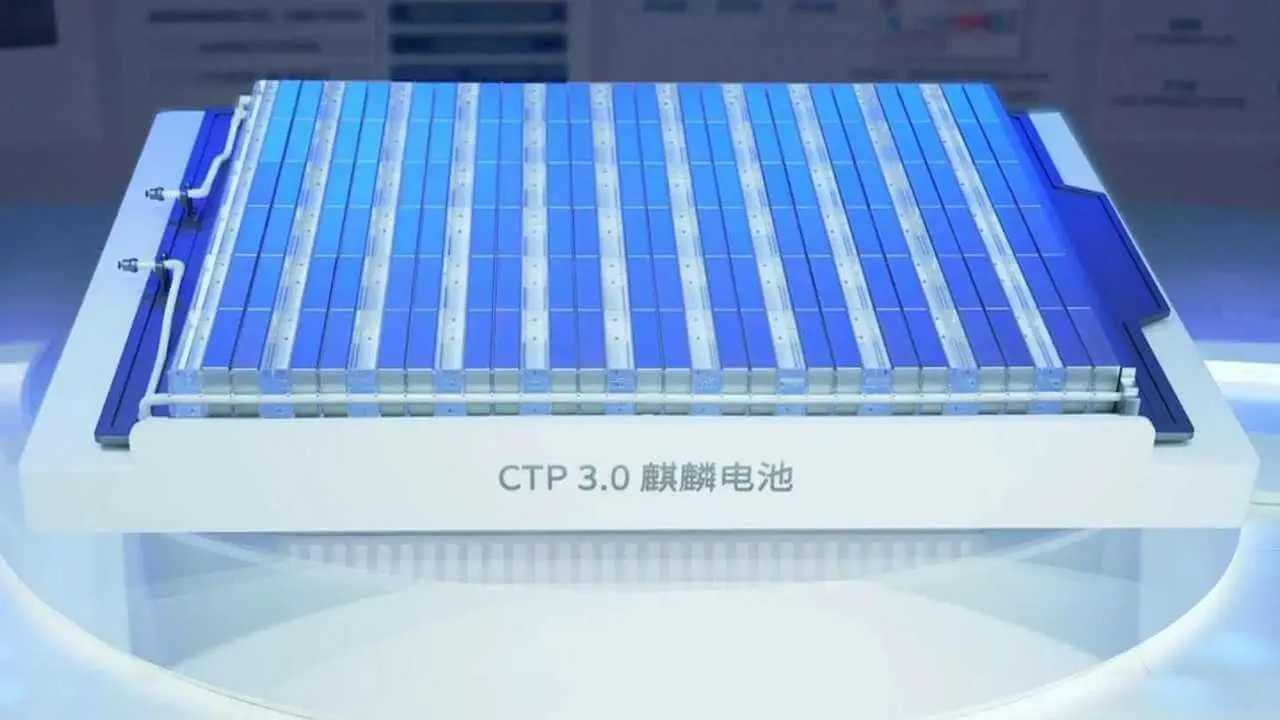
One of the issues Robin Zeng wanted to bring up is that the tolerance levels traditionally used in industrial manufacturing may be insufficient when dealing with batteries for electric vehicles. A traction battery consists of numerous cells connected in series and parallel, so a localized problem can ultimately affect the performance of the entire battery pack.
This is where the so-called “barrel effect” comes into play. In a pack made up of many cells connected in series, the cell with the lowest capacity or highest impedance can end up limiting the performance of the whole system. This can impact the operating range, behavior during charging, and even the battery’s thermal stability.
Zeng provided a quite striking example. With a defect rate of one per million, for every 0.000 billion cells manufactured, up to 1,000 defective units could emerge during the production process. CATL claims to work with a much stricter internal target: no more than one defect per 0.000 billion cells, which corresponds to a rate of one per thousand million.

The difference is enormous. CATL’s goal is to reduce the defect rate used in the previous example by 1,000 times. It should be noted, however, that this one in a billion figure is an internal engineering and production control target for CATL, and it does not represent an independently audited failure rate for electric cars on the road.
The underlying issue is that a battery’s quality depends not only on its design. It is also crucial to control all manufacturing processes that could lead to defects that are not immediately apparent. CATL claims to use automated inspection systems and process controls to identify such problems before the cells leave the factory.
The company also has a rather unique internal structure designed to identify such failures. Zeng explained that CATL has had what is known as an “Adversary Group” since its founding, composed of specialists from various fields including electrochemistry, mechanical engineering, and artificial intelligence.
Its role is specifically to identify weaknesses in projects by searching for potential flaws that might remain hidden and by subjecting batteries to extreme conditions. According to Zeng, this group even has the power to veto certain project milestones and battery shipments individually. CATL has not publicly disclosed the exact hierarchical structure of this group within the company.
The concern becomes even more significant given the scale reached by China’s industry. According to SNE Research, the country’s battery manufacturers now account for over 70% of global vehicle battery installations. In the first half of 2026, 608 GWh were installed worldwide, with seven of the top ten suppliers being Chinese companies.
When such large quantities are produced, even a very low defect rate can result in a significant number of problematic cells. That doesn’t mean all of them will eventually cause failures in electric vehicles. Subsequent checks, the battery management system, and protections built into the pack can detect or mitigate certain issues.
It is also important to distinguish between the reliability of a single cell and the safety of an entire vehicle. A laboratory test on one cell, such as the well-known nail penetration test, allows researchers to study how that cell responds to a controlled internal short circuit. However, its results alone do not indicate how the entire battery pack will perform in a real accident involving dynamic deformation, casing damage, or cooling system issues.
That is precisely why the debate over battery testing has gained momentum in China. Authorities have previously taken action against accounts that published misleading evaluations or used non-standard testing methods to demonstrate battery durability.
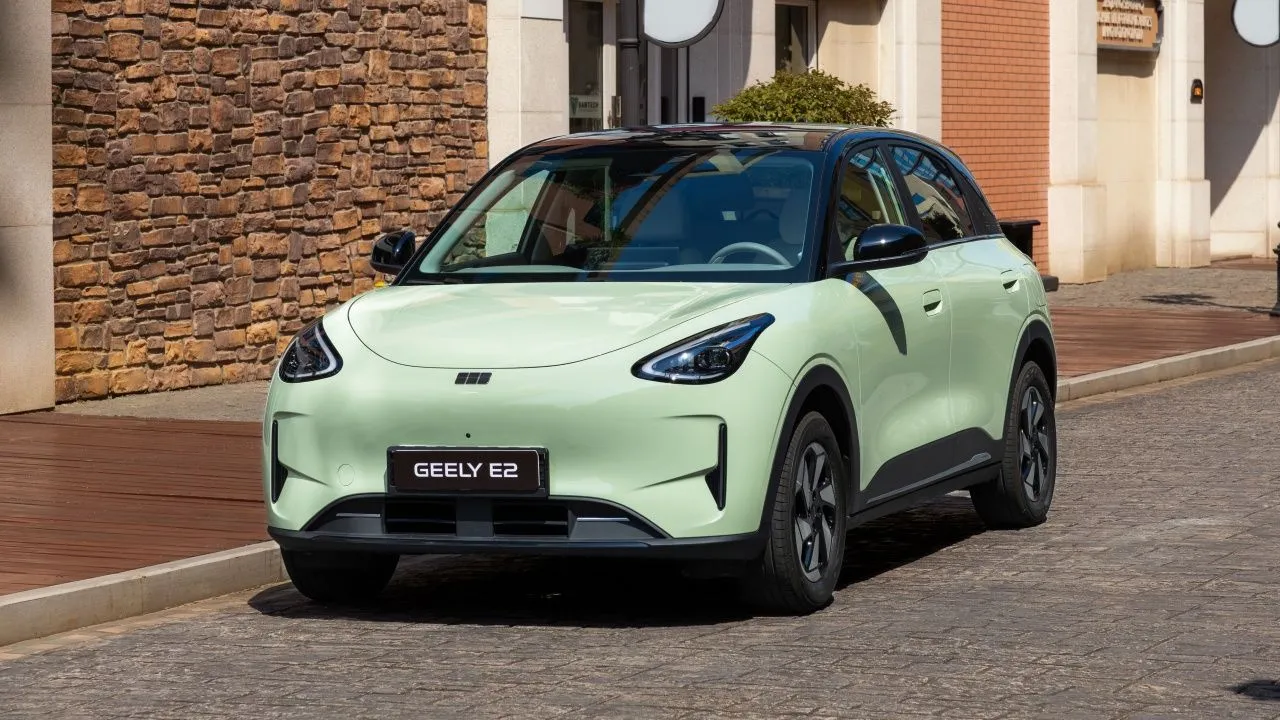
CATL’s message thus goes beyond a simple warning about potential defective batteries. The real issue raised by Zeng is whether the increasingly rapid development of new electric vehicles leaves enough time to identify defects before these models enter mass production.
With over 600 new models launched in China in just one year, the pace of market renewal is difficult to compare to any other automotive industry. The risk is that the race to introduce the next model, lower prices, and gain market share may end up putting pressure on one of the components where there should be the least room for error: the battery.
The previous cases involving Sunwoda and CALB show that battery quality issues are not purely theoretical possibilities. However, they also do not prove that the failures now mentioned by Zeng are a result of accelerated development cycles, nor that they involve the same manufacturers or products.
CATL’s warning highlights an issue that will become increasingly important as China continues to boost its electric vehicle production: while manufacturing faster and cheaper is crucial, when it comes to batteries, the quality of this key component can ultimately determine the performance of the entire vehicle.