
China issues guidelines for its automakers' overseas operations
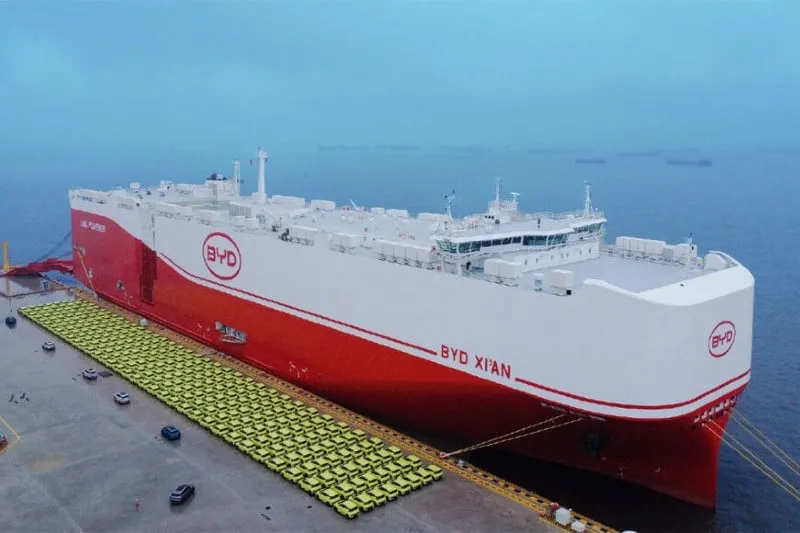
Chinese automobile brands have significantly increased their exports recently. National regulatory authorities are using this as an opportunity to impose stricter oversight on the overseas operations of these Chinese car manufacturers. The approach involves new regulations regarding marketing, pricing, and other aspects.
According to Reuters, Chinese authorities issued new guidelines on Tuesday that domestic automakers must follow in their export activities. These guidelines require companies to abide by existing laws on foreign investment and overseas business operations, as well as to comply more strictly with regulations on antitrust laws, anti-corruption measures, and social responsibility.
The guidelines are a response to the rapid global expansion of Chinese automakers, particularly in the electric and partially electrified passenger vehicle segment led by BYD. The underlying issue is overcapacity and the fierce competition it creates domestically, prompting more Chinese brands to seek sales opportunities abroad.
According to Reuters, the regulations require automakers to “align their pricing with costs and market conditions, avoid using prices to gain unfair competitive advantages, and refrain from frequent or drastic price changes that could harm consumers or the brand image.” The companies would also be obligated to provide accurate information in marketing, avoid misleading advertising, and thus protect the reputation of Chinese car brands abroad.
The guidelines also urge companies under Chinese leadership to always comply with antitrust regulations, prevent competition that distorts the market, and adhere to local labor laws. A representative from the Ministry of Commerce told Reuters that the guidelines aim primarily at promoting a “rational and orderly” cross-border development of industrial and supply chains, as well as supporting the long-term international growth of China’s automotive industry.