
China sees soaring sales of electric trucks as diesel sales start declining rapidly
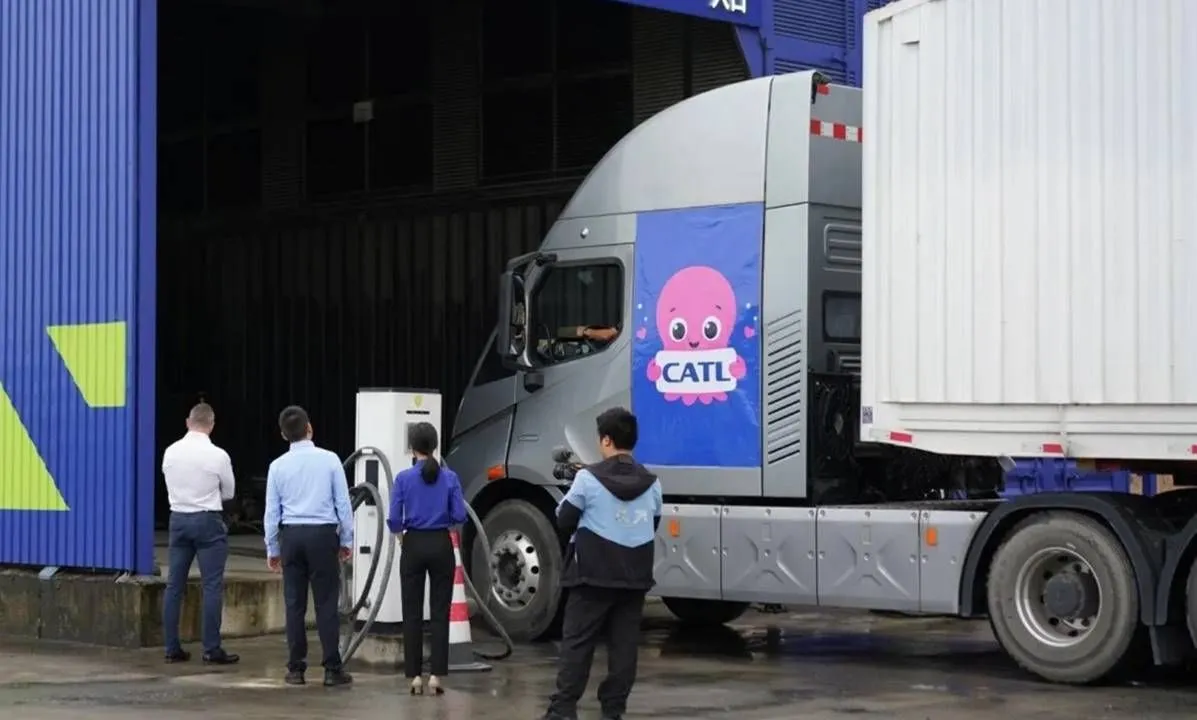
China is accelerating the electrification of one sector where oil seemed to have a harder time being replaced: heavy transportation. This shift is occurring especially in industrial and mining areas, where trucks travel thousands of kilometers and energy costs directly affect companies’ expenses.
This trend has gained momentum in 2026, amid rising diesel prices and China’s growing concern over its energy dependence. Electric trucks are moving beyond being limited solutions for pilot projects and are increasingly being used in regular freight transportation.
China turns electric trucks into a tool for energy security
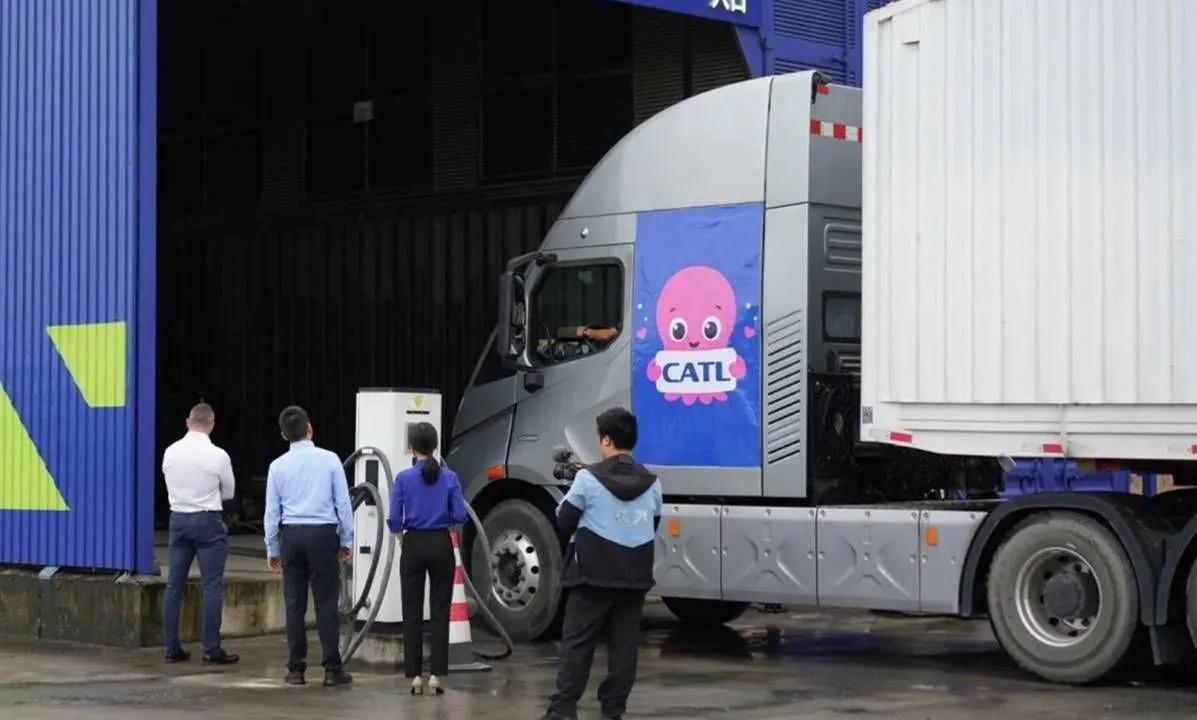
Bloomberg reports that sales of electric trucks in China rose by nearly 80% in the first half of 2026 compared to the same period last year. At this rate, electric trucks could account for around 30% of all trucks sold in China this year, up from 8% just two years ago.
The impact is already showing in fuel consumption. Sinopec’s Institute of Economic Research and Development estimates that diesel consumption in China will fall by more than 10% by 2026. While part of this reduction is due to other factors, the growth of electric trucks is becoming one of the structural drivers behind declining oil demand.
Yulín in Shaanxi province is one of the best examples. The region is one of the country’s major coal production hubs, and its roads are constantly filled with trucks transporting the mineral from mines to railway stations. An increasing number of these vehicles now run on electricity.
For transporters, the main argument is not necessarily environmental. Electricity allows for a significant reduction in operating costs, especially in operations where trucks make repeated trips and can return to known charging points.
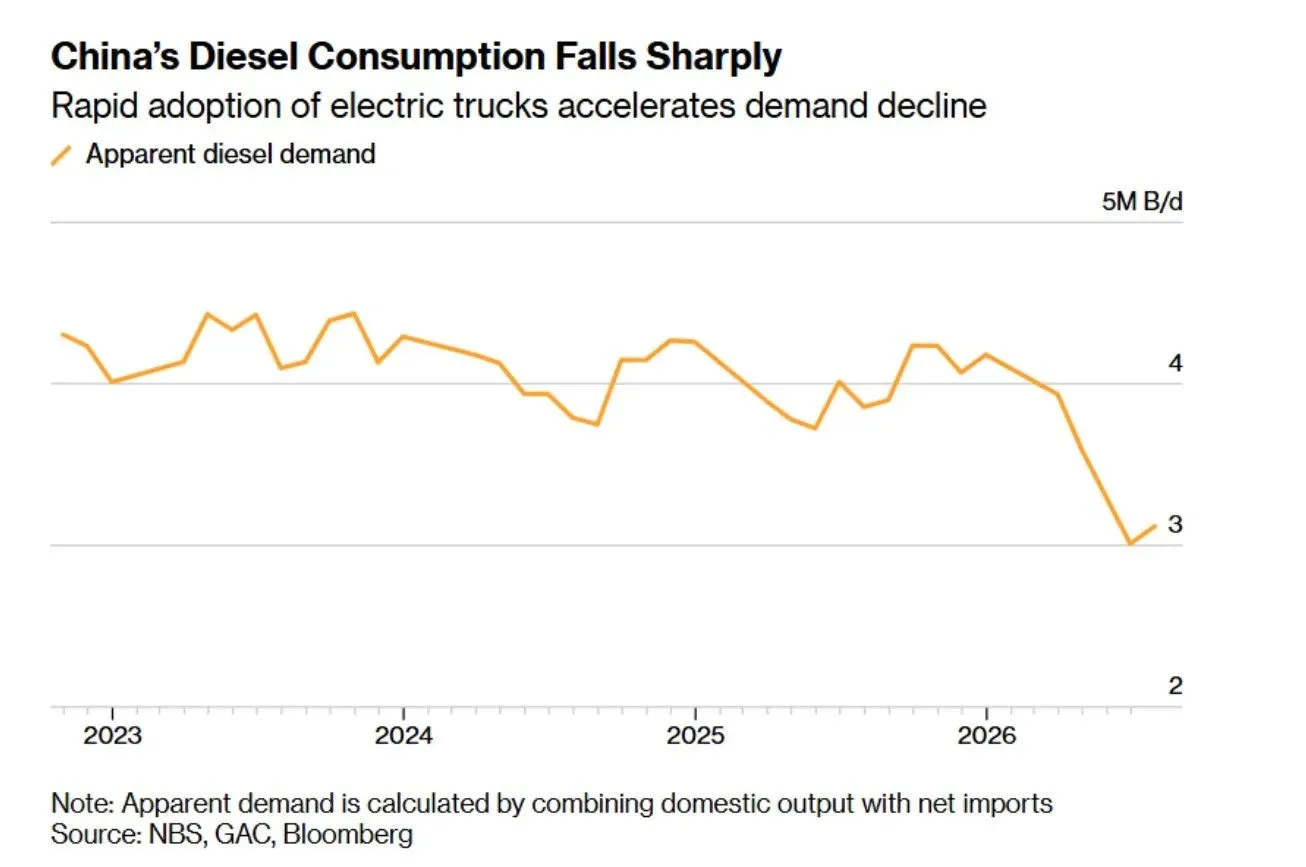
According to estimates, charging a heavy electric truck in China costs around 200 yuan, or about 25 euros, compared to much higher expenses when using a diesel model. The drawback lies in the purchase price: a heavy electric truck costs around 600,000 yuan, or about 75,000 euros, whereas an equivalent diesel model costs approximately 400,000 yuan, or about 50,000 euros.
The initial difference can, however, be offset through intensive use. In the case of a company in Yulín that purchased 15 electric trucks from SuperPanther, its manager estimates that the price difference can be made up in about two years due to lower operating costs.
This feature is particularly important in heavy transportation. Unlike a private car, a truck can operate for many hours a day, so any difference in cost per kilometer has a significant impact on the company’s profitability.
The shift is no longer limited to transporting coal, cement, or minerals. Electric trucks are beginning to be used for delivering goods, electronic components, and industrial products, gradually expanding the areas where they can compete with diesel models.
China is also building the necessary infrastructure to facilitate this transformation. Cities such as Beijing, Shanghai, and Shenzhen have introduced incentives for electric trucks, while some industrial zones have directly promoted the replacement of old diesel trucks.
The official goal is equally ambitious. China’s roadmap released this year states that new energy vehicles should account for at least 40% of heavy truck sales by 2030, and they should make up one-fifth of the existing fleet.
But the next step has already begun. China’s exports of electric tractor trucks in the first six months of 2026 exceeded by more than double the number exported throughout 2025. Asia, Latin America, and Africa are among the markets where Chinese manufacturers are seeking new opportunities.
Chinese manufacturers preparing for an international leap
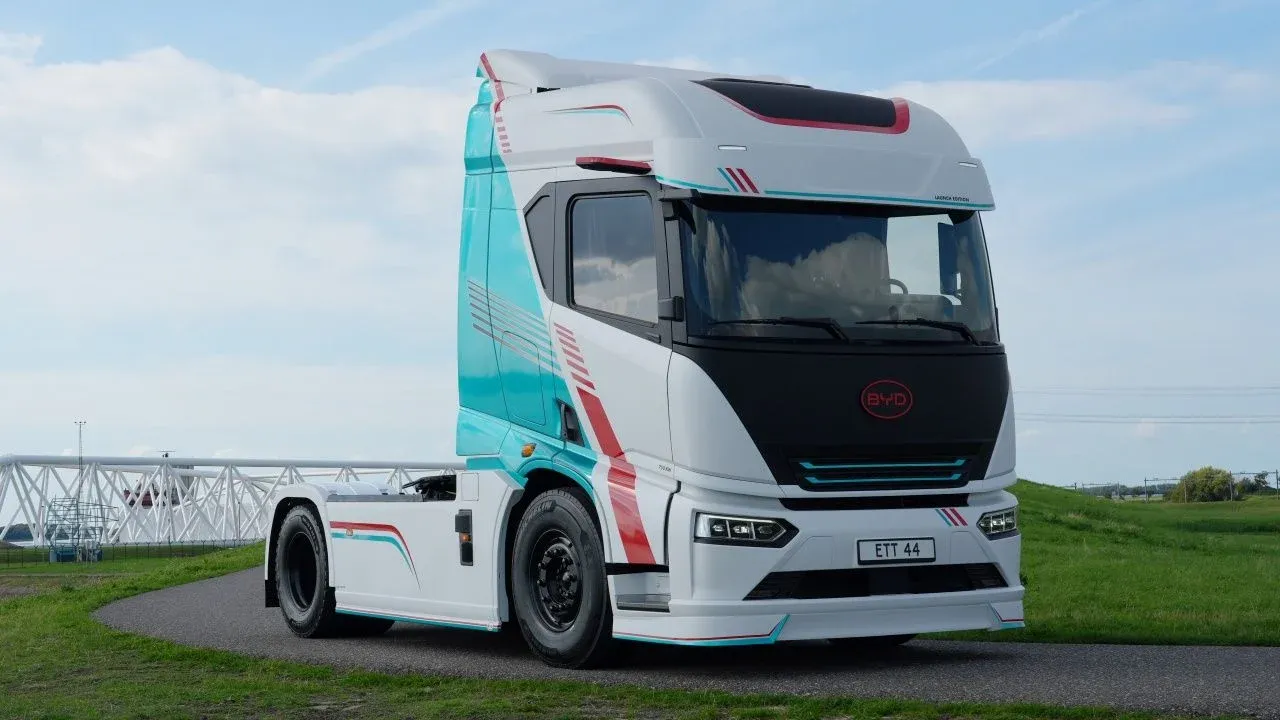
The Chinese market already has dozens of manufacturers of electric trucks. Among them are well-known names such as BYD, XCMG, and Sany Heavy Industry, as well as specialized companies like SuperPanther, which began producing electric trucks for the Chinese market in 2024 and has since started expanding internationally.
SuperPanther began selling its vehicles in Europe in July and is also exploring entry into other Southeast Asian markets. The company believes that the desire to reduce dependence on oil could accelerate the electrification of heavy transportation in many countries.
In Europe, manufacturers such as Volvo Trucks and Daimler Truck are also developing their own electric offerings for heavy transport, while Tesla continues to advance in this segment with the Tesla Semi. Competition is thus beginning to spread beyond China.
The battery industry is also playing a crucial role. CATL has become one of the leading suppliers of batteries for electric trucks in China and aims to expand its presence in this market on an international scale.
Logistics companies are already testing these solutions. For example, Nippon Express has deployed four electric trucks in Shanghai to transport goods, including electronic components, across the Yangtze River Delta. The company has also put electric trucks into use in Japan, Taiwan, and Hong Kong.
Its goal is for 100% of its fleet to use electric vehicles within three or four years as it gradually replaces its current vehicles.
The main obstacle remains the same: electric trucks are more expensive at first. This is compounded by insurance and depreciation costs that can still be higher than those of conventional trucks. However, when the vehicle operates for many hours and can be charged using cheap electricity, the difference in daily costs can completely change the equation.
China is also using incentives to accelerate fleet renewal. Since 2024, it has implemented subsidy programs to phase out old diesel trucks and replace them with more modern and less polluting models. The industry is awaiting confirmation on whether these incentives will continue into 2027.
The result is a scenario in which the electrification of heavy transportation begins to have consequences that extend far beyond the automobile itself. If electric trucks continue to gain ground in China and then spread to other major markets, a significant portion of diesel demand could gradually disappear.
The key feature of the Chinese model is that this transformation depends not only on reducing emissions. It also stems from a strategic consideration: using the country’s massive electricity generation capacity, derived from both renewable sources and coal, to reduce its reliance on oil imports.
And that could make electric trucks a much more important factor in the energy transition than they seemed to be. While electric cars have rapidly changed the composition of China’s automotive market, trucks are beginning to bring that same transformation directly to oil consumption.
