
China strikes another blow at Europe: XPENG will offer its chips and autonomous driving technology to other manufacturers
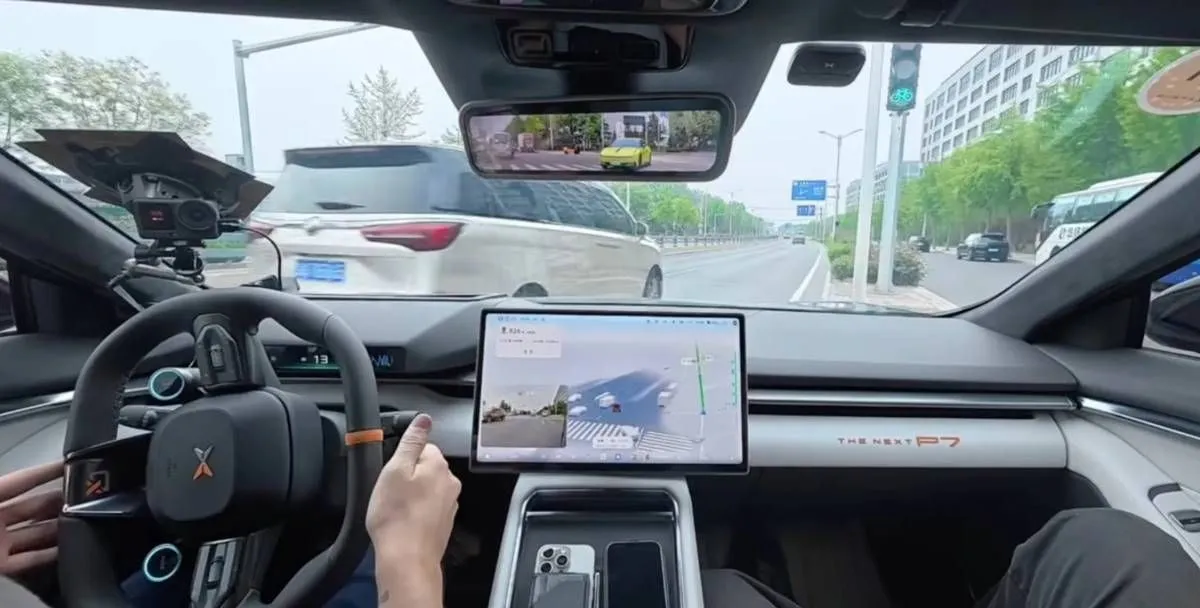
If you can’t beat your enemy, join him. This saying fits increasingly well with the European automotive industry, which is realizing that in some of the technological fields that will shape the future of cars, China has gained a significant advantage. And XPENG wants to take advantage of this situation to go a step further: selling its technology to other foreign automakers.
The Chinese company, which has so far used its advancements primarily to differentiate its own electric cars, wants to turn them into a new source of revenue as well. According to Reuters, XPENG is already in talks with several potential partners, and some companies have shown interest in its technological solutions. These include its electrical and electronic architecture, interior systems, Turing artificial intelligence chips, and its advanced driver assistance systems.
The move is particularly noteworthy due to the type of technology XPENG aims to export. It’s not just about components, but also a crucial part of the architecture that enables a modern car to process sensor data, interpret its surroundings, and make decisions while driving. This is precisely one of the areas where several European manufacturers are accelerating their investments after realizing that their Chinese competitors have made rapid progress.
Volkswagen has already shown that XPENG can become a technology supplier
The best example is the agreement signed between XPENG and Volkswagen in 2023. The German manufacturer acquired approximately 5% of the Chinese company for around $700 million at that time, and both companies began working on new platforms, software, and electrical and electronic architectures.
The first result of this collaboration is already in production. The Volkswagen ID.UNYX 08, a large electric SUV targeted at the Chinese market, began manufacturing in March 2026 after just 24 months of development. The model features 800-volt technology, advanced level 2 driver assistance systems, and an electrical architecture developed locally with XPENG’s involvement.
The collaboration is particularly significant because Volkswagen has not limited itself to using a specific XPENG technology. The two companies have also worked together with CARIAD China and Volkswagen Group China Technology Company on what is known as the China Electronic Architecture, a new regional electric and electronic architecture developed for models targeting the Chinese market.
Now XPENG wants to repeat this approach with other manufacturers. The company has established a dedicated technology marketing team and aims to offer its solutions not only to car brands but also to software companies and suppliers in the automotive industry. The goal is to turn the experience gained from developing smart cars into a business separate from car manufacturing and sales.
The numbers help explain why XPENG is interested in this approach. In the second quarter of 2026, revenue from services and other businesses reached 2.7 billion yuan, approximately $403 million, with a gross margin of 75.1%. The company attributed much of this growth to technology research and development services provided to an automobile manufacturer.
The contrast with traditional automotive business is significant. XPENG reported a gross margin of 20.7% for all its operations in that same quarter, and a margin of 12.1% from car sales. Therefore, technology can become a much more profitable business than manufacturing the complete vehicle, especially when the same platform can be sold to multiple manufacturers.
And autonomous driving is one of the key assets XPENG aims to leverage. The company is developing the second generation of its VLA architecture, designed to interpret the environment, reason about what happens on the road, and execute necessary maneuvers. XPENG has already tested this technology in Germany to adapt it to the specifics of European traffic.
The company announced in July that it plans to bring its next-generation NGP system to various international markets starting in 2027, featuring level 2++ autonomous driving capabilities, all subject to the relevant legal approvals. This is particularly important in Europe, where regulations and road conditions require adjustments to the systems developed in China.
The move also aligns with XPENG’s transformation into something far more than just an electric car manufacturer. The company is developing a strategy centered around so-called physical artificial intelligence, which includes cars, robotaxis, and humanoid robots.
In the latter area, XPENG has already taken steps toward production. At the beginning of September, it launched a manufacturing line for its IRON humanoid robot and claims it aims to start mass production by the end of 2026, with initial commercial use planned in its own facilities and stores. Deliveries to China and other markets are scheduled for 2027.
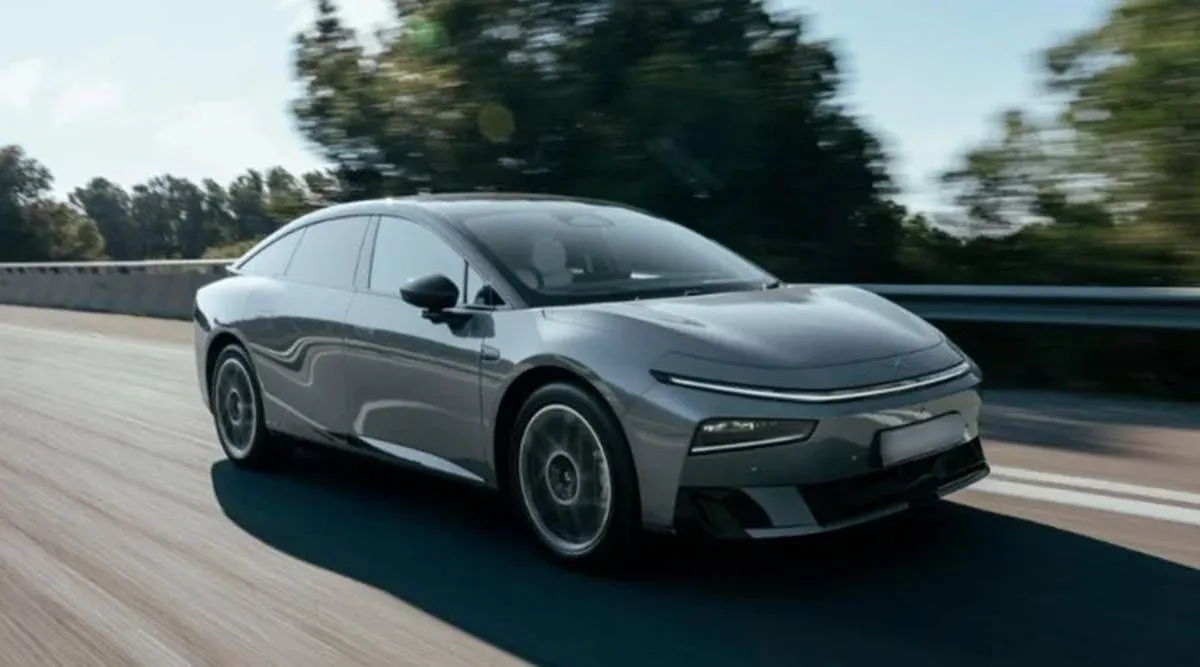
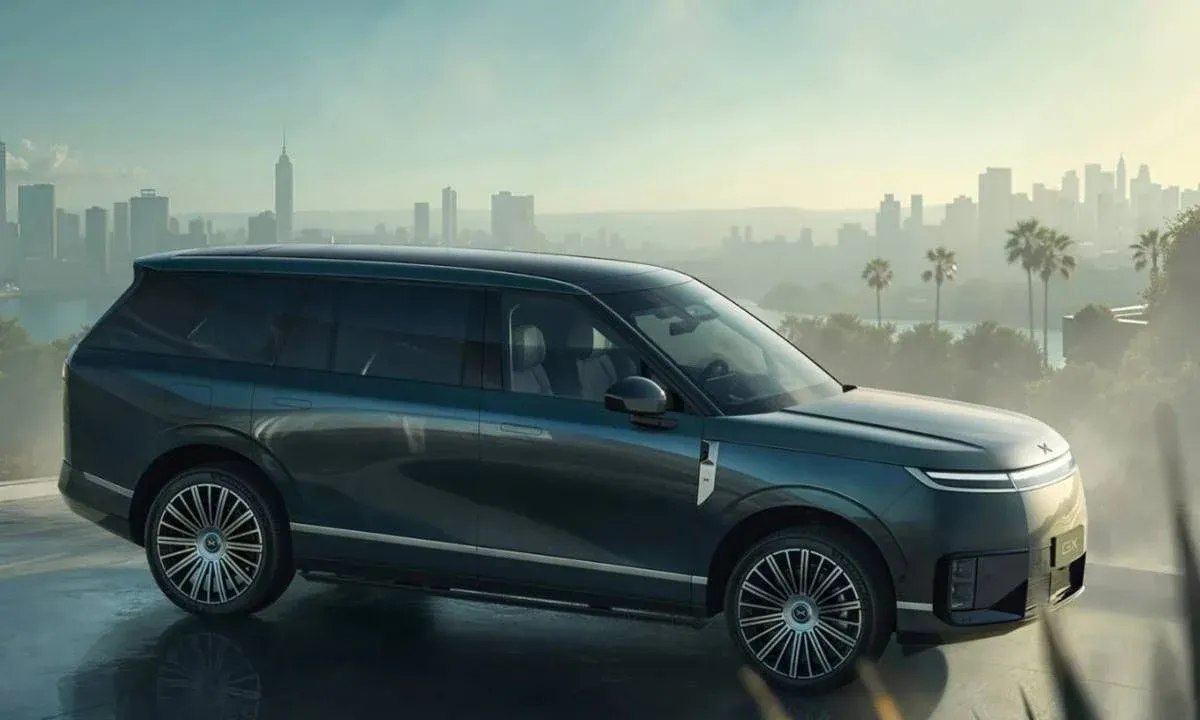
The company is also preparing for its international expansion. The new XPENG G9L, unveiled this week in China, will reach 64 markets and make its global debut on October 12 at the Paris Motor Show. The model will be available in electric versions and electric versions with range extenders, becoming the fourth XPENG model produced in Europe.
But the most interesting move may lie behind the cars we’ll see on our roads. XPENG aims to have its technology installed in vehicles from other brands, just as Volkswagen has already begun integrating solutions developed alongside the Chinese manufacturer.
The names of the new potential partners are still unknown, and no additional agreements have been confirmed. Reuters reports that XPENG might announce some of these collaborations at the Paris Auto Show on October 12, though for now they are just ongoing discussions rather than finalized contracts.
This situation paints a picture that would have been hard to imagine just a few years ago: a European automaker turning to a Chinese company to accelerate the development of technologies that will be crucial in future cars. For XPENG, this move could be even more important than selling more cars—becoming one of the technology suppliers for an industry that spent decades in China learning how to build cars and is now turning to this Asian giant to acquire technology.