
China continues to reduce tax incentives for electric vehicles
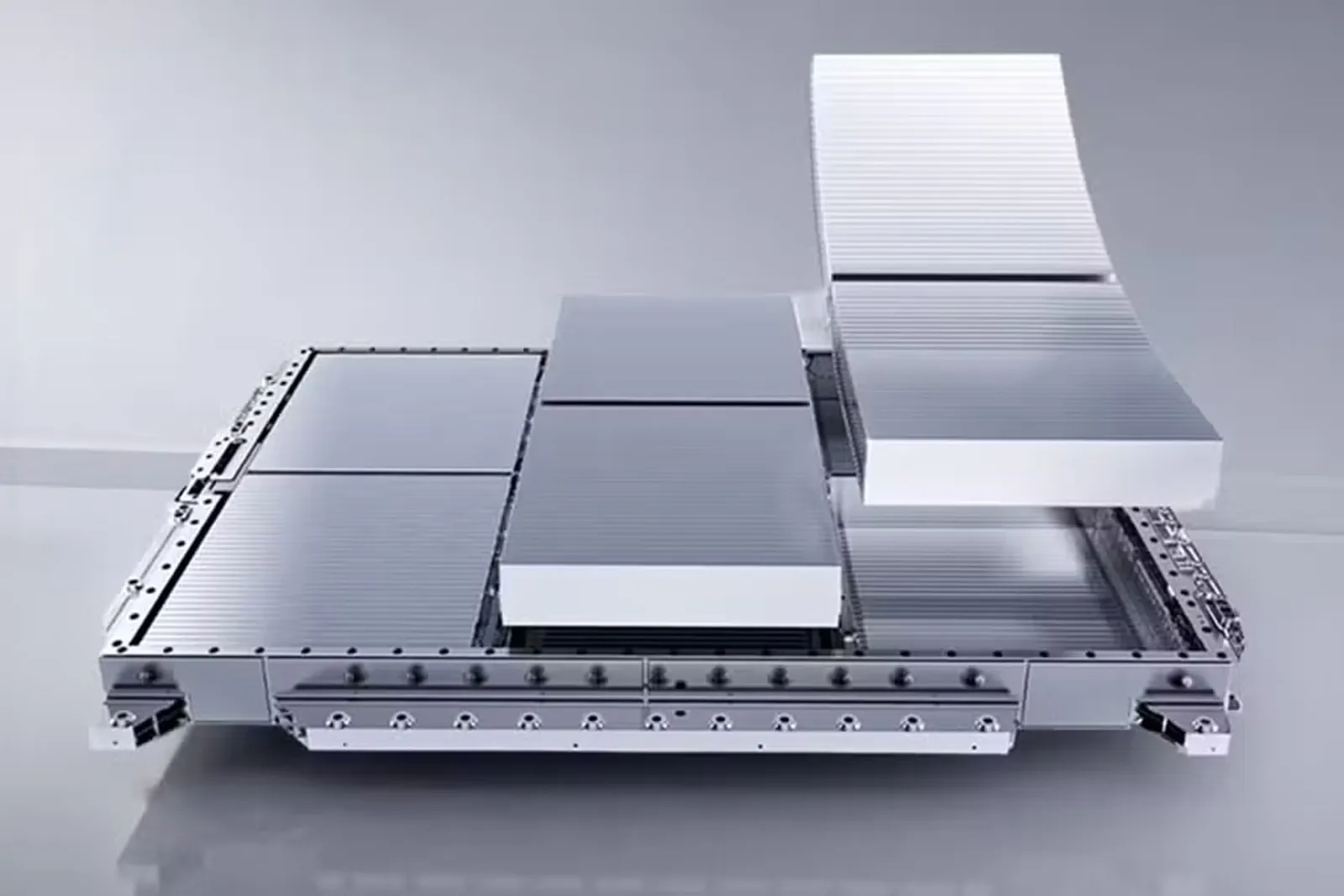
China is gradually phasing out tax incentives for electric vehicles and batteries. The previously announced consumption tax on lithium-ion batteries has been in effect since September, with further subsidies ending in 2027.
As of September 1, lithium-ion batteries are subject to a consumption tax of two percent. This rate will rise to four percent by September 2027. The change was announced in July and ends a tax exemption that had been in place since 2015.
Sodium-ion and solid-state batteries, as well as fuel cells, will remain exempt from consumption tax until the end of 2028. By doing so, China is shifting tax incentives partially away from the established lithium-ion technology toward alternative technologies.
The immediate additional costs resulting from the new battery tax are likely to remain limited for now. CarNewsChina estimates that an electric vehicle with a 60-kWh battery would incur additional battery costs of around 438 yuan, or 62 US dollars, at a tax rate of two percent. This figure rises to about 876 yuan, or 125 dollars, at a four percent tax rate. However, this calculation is based on prices for Chinese LFP battery cells and thus serves only as an illustrative example.
The battery tax is merely part of a broader reorientation of China’s subsidy policy: Since early 2026, electric vehicles and plug-in hybrids (collectively referred to as NEVs in China) have only received a 50 percent reduction in purchase tax instead of complete exemption. The effective tax rate is thus five percent, with the discount limited to 15,000 yuan per vehicle.
Starting January 1, 2027, further reductions in vehicle and vessel taxes are set to be eliminated. This applies to battery electric commercial vehicles, plug-in hybrids, range extenders, and fuel cell commercial vehicles. However, nothing is planned to change for purely electric passenger cars in terms of this tax.
China is gradually phasing out the tax incentives that have supported the development of its NEV market over the years. However, an end to government support is not in sight. The state continues to invest in charging and battery swapping infrastructure, among other things. Moreover, the remaining tax benefits generally apply to electric vehicles produced in China by foreign manufacturers as well.