
China auto market ahead of registration surge: UBS warns of underestimated momentum
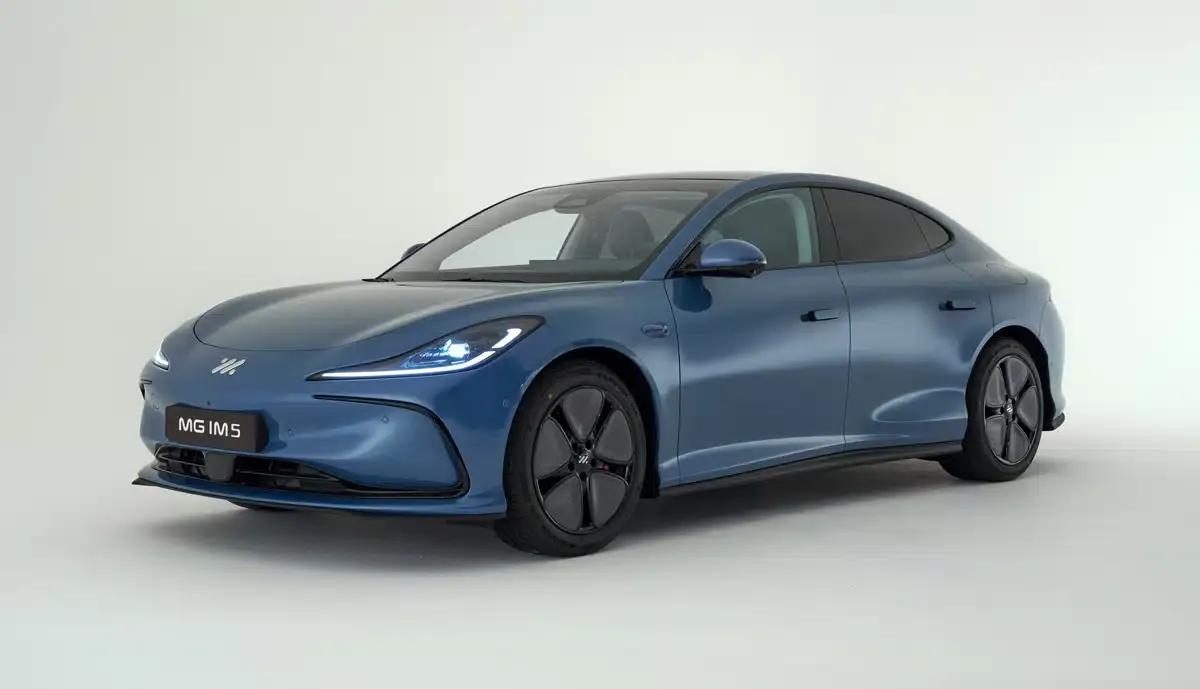
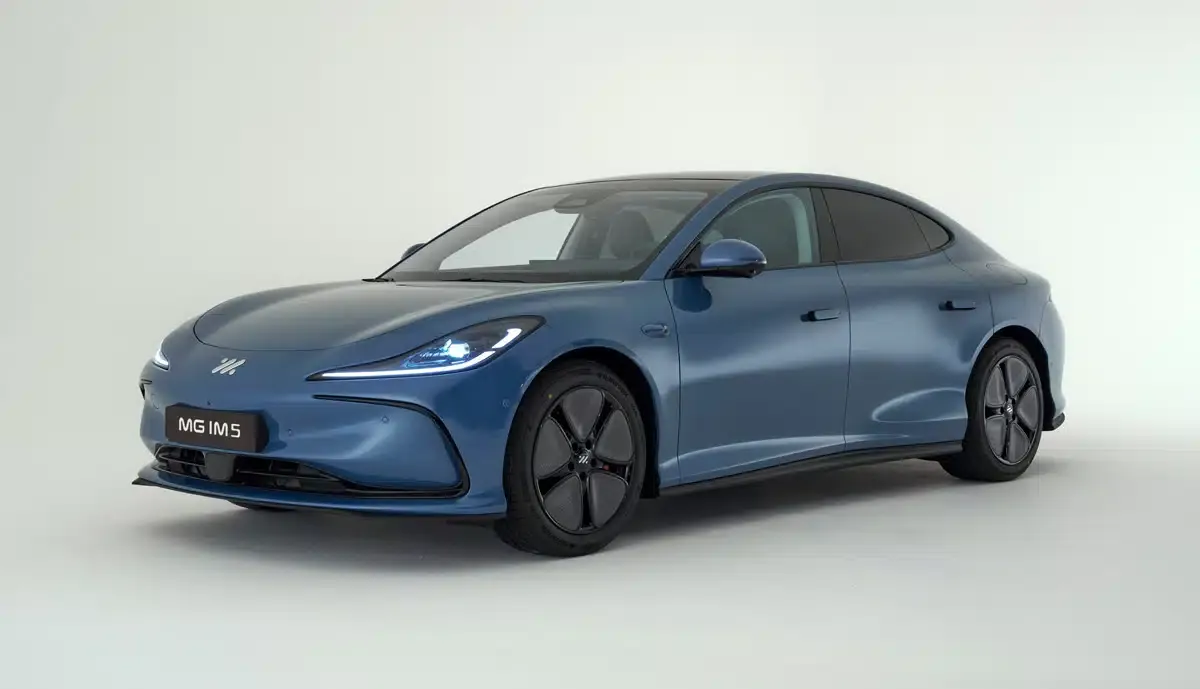
Image: MG
Chinese vehicle exports to Europe are currently nearly twice as high as the number of new registrations. According to an analysis by investment bank UBS, the actual scale of these shipments is obscured by logistics constraints.
This trend is likely to lead to an increase in registrations over the course of the year, reports Automotive News. This puts greater pressure on European policymakers to address the price gap between imported Chinese electric vehicles and models produced in Europe.
UBS estimates that the current pace would result in Chinese brands holding around 20 percent of the market annually. In contrast, their share as of August was nearly 10 percent. “We believe there is still a lack of urgency on the EU side,” UBS analyst Patrick Hummel said recently during a press conference, according to Automotive News. “The problem is more urgent than many involved in the political decision-making process realize.”
According to Hummel, a major obstacle for Chinese automakers seeking to enter Europe is securing sufficient truck capacity. Companies from the People’s Republic face difficulties transporting vehicles from European ports to dealers. The UBS analyst learned this from insiders at electric vehicle giant BYD.
According to Automotive News, analyses by market watcher Dataforce confirm this growth: In the first eight months, Chinese brands sold 913,703 vehicles in Europe. As a result, their market share rose from 5.2 percent last year to 9.9 percent, with Volvo, a brand part of the Geely group, excluded from this figure.
At the top of sales rankings is MG Motor, formerly British but now part of SAIC, with 179,909 new registrations, followed by BYD with 172,590 vehicles sold. This growth is driven primarily by battery electric vehicles and plug-in hybrids.
The EU is currently considering imposing additional tariffs on plug-in hybrids following the extra duties introduced at the end of 2024 on electric cars manufactured in China. Brussels accuses Beijing of giving its automakers an unfair competitive advantage through heavy subsidies.
Also interesting
About the author
Thomas Langenbucher is an expert in electromobility with experience in the automotive and financial industries. Since 2011, he has been covering electric cars, sustainable technologies, and mobility solutions for ecomento.de. Learn more.
Reader interactions