
China restricts its electric car brands: it aims to prevent an international price war like the one that occurred in the country.
12/09/2026 10:30
Updated to
12/09/2026 10:30
China’s rise in the automotive market and its dominance in electric vehicles have led the country to impose certain rules on the international expansion of its car manufacturers. The country has faced a price war that has plagued its domestic market for years, and the goal now is to prevent this from spreading to other nations.
Beijing’s authorities have issued new guidelines for car manufacturers and component suppliers operating abroad, with a clear request: to compete outside China in a more sustainable manner and avoid aggressive discounts, frequent price changes, or business strategies that could distort local markets.
Don’t replicate what’s happening domestically abroad
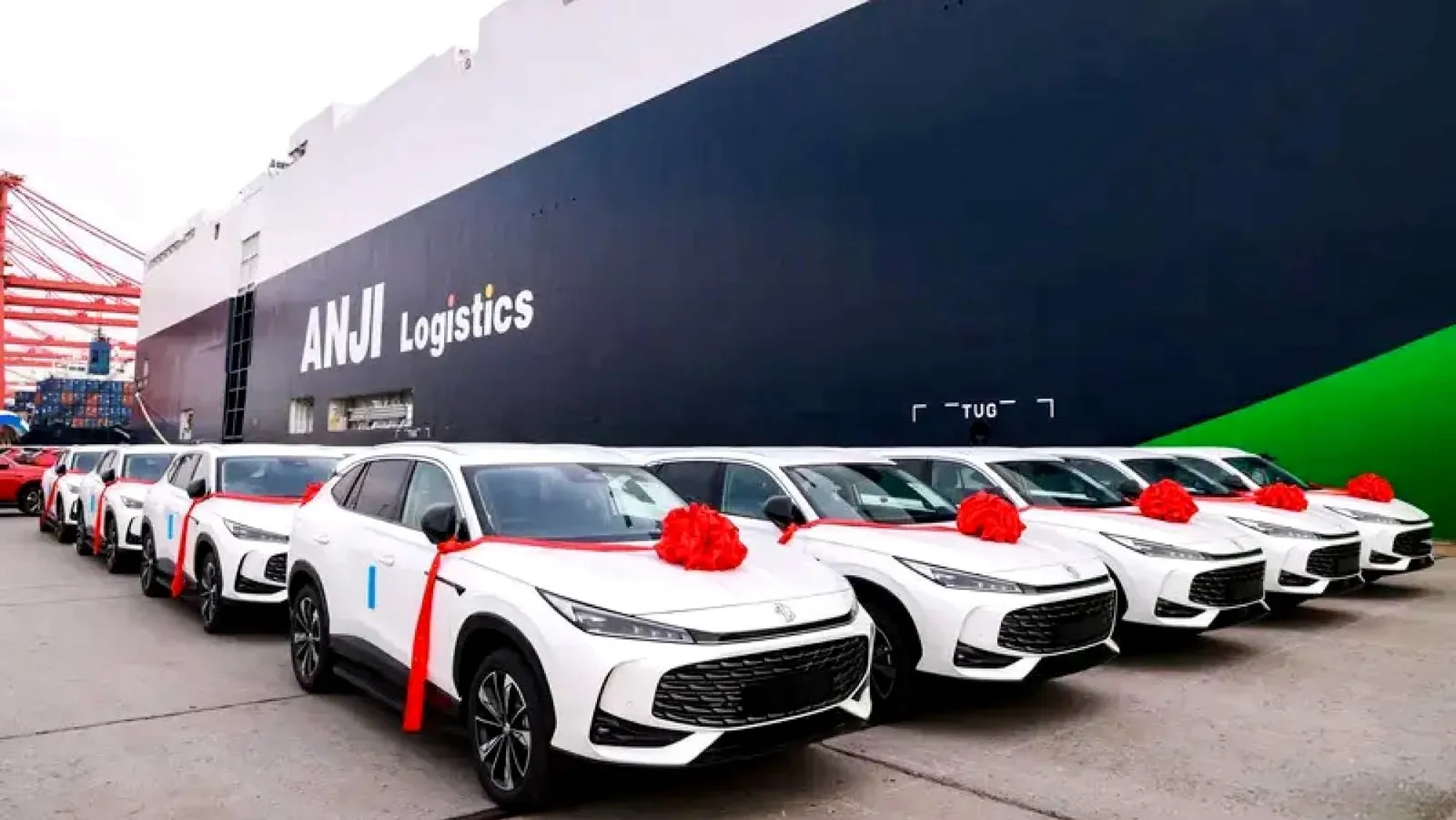
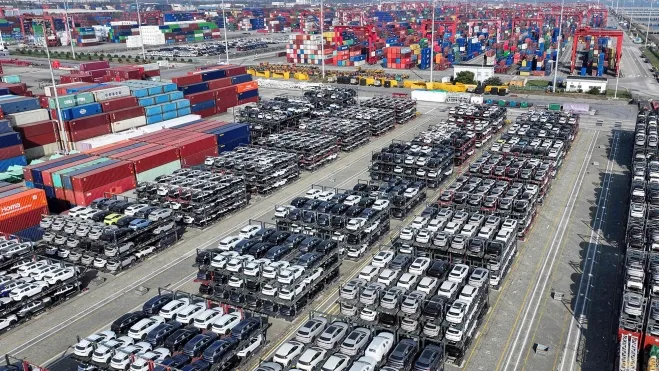
This decision comes at a particularly sensitive time for China’s automotive industry, as fierce competition in the domestic market, especially among zero-emission models, has forced brands to cut prices and find new ways to boost sales. Meanwhile, exports have become an increasingly important route to offset pressure from the domestic market.
Beijing is concerned that a strategy of selling cheaper and cheaper outside its borders could end up having the opposite effect: a protective reaction from target countries. The new rules, as reported by Nikkei Asia, require prices to be set based on the costs and supply-demand conditions of each market, and advise against using price cuts to gain competitive advantages deemed unfair. It also calls for avoiding frequent or too sudden changes that could harm consumers or damage the image of Chinese brands themselves.
In addition, the focus is not limited to price alone; authorities are also emphasizing advertising and how vehicles are introduced into foreign markets. Manufacturers must provide accurate commercial information, avoid misleading messages, and ensure that exported vehicles truly meet the needs and demands of each country. In short, the goal is to prevent international markets from becoming merely a dumping ground for models or units that have no buyers in China.
Preventing international markets from becoming chaotic
This last point is particularly relevant because the domestic market, due to excess supply and fierce competition, has become a scene of intense commercial rivalry. The reduction in incentives and weakening demand have increased pressure on manufacturers, prompting some companies to seek growth in Europe, Australia, Latin America, or Southeast Asia where they can no longer find it as easily within their own borders.
Thus, they aim to discover new customer bases abroad, with one of their main selling points often being prices that traditional Japanese, Korean, and European manufacturers cannot match. This might seem like a competitive advantage at first, but Beijing is aware that this strategy may have limited effectiveness.
The pressure on prices not only reduces manufacturers’ margins but can also harm brand perception in the long term and lead to conflicts with distributors and local competitors. Therefore, the new guidelines also call for strengthening compliance with antitrust laws, respecting labor regulations in target countries, and improving management of political, economic, and security risks.
It’s completely logical, as by now the rapid expansion of Chinese manufacturers has already triggered protective measures in various markets, including Europe, where the European Union imposed additional tariffs on electric vehicles made in China after investigating the subsidies received by those manufacturers, and the United States, where economic penalties make it virtually impossible to sell a Chinese zero-emission car there. China’s government is seeking some self-restraint so that foreign markets do not adopt even tougher positions against Chinese brands.