
Chery prepares the Omoda 2: an urban electric SUV with a range of up to 450 km
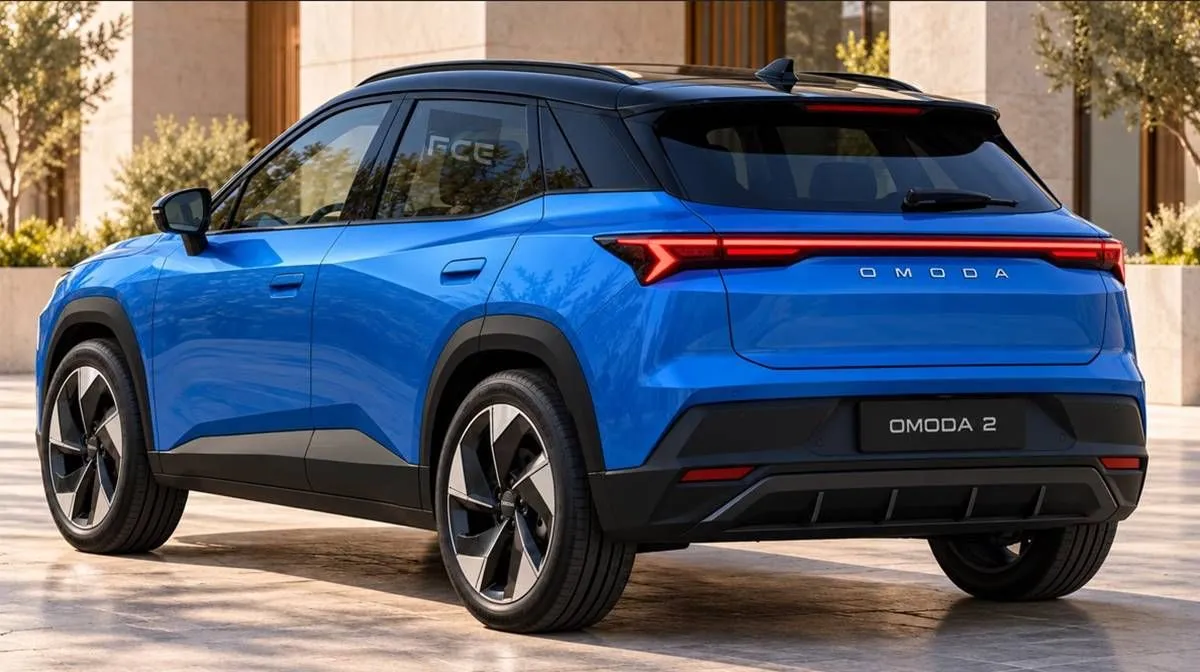
Chery Group aims to expand its presence in Europe by entering one of the most competitive segments for automakers: small and relatively affordable electric cars. The Chinese group is developing an urban SUV that seeks to balance compact dimensions with sufficient space for everyday use. The project has progressed from sketches to a full-scale model, though several key decisions remain before it reaches dealerships.
The model could fit into the lineup as the Omoda 2, although this name is not official for now. The first media outlets to see it were at Chery Auto’s International User Summit, during the unveiling of the OMODA X, under confidentiality restrictions that prevented photography. Its launch is expected by the end of 2027, with European sales likely to begin in 2028.
Early descriptions suggest a fairly minimalist design, with a European-inspired front end and a strip connecting the headlights. The lighting signature resembles that of the updated seventh-generation Volkswagen Golf, while two ridges on the hood add some character. The floating roof design, a feature seen in MINI and the Suzuki Swift, aims to give it a more casual appearance.
The prototype features 18-inch tires and includes a surface variation on the rear fins to add volume to the body. This approach avoids both overly extravagant shapes and a too-simple appearance. The rear pillar, which some who have seen it consider somewhat thick, is one of the details that could still be refined before finalizing the design.

In terms of dimensions, it measures 4.16 meters in length, 1.56 meters in height, with a wheelbase of 2.60 meters. Its design is similar to that of the first-generation Peugeot 2008, featuring a body style that avoids excessive off-road styling elements. The generous wheelbase adds an SUV touch, but the overall approach seems more focused on maximizing space and facilitating daily use.
The interior space has left a positive impression among journalists who have seen the prototype. The high ceiling makes entry easier, and the rear seats offer surprisingly ample legroom for its exterior size. The trunk capacity is stated at 360 liters, a reasonable amount for an urban vehicle that also aims to serve as a family car.
Inside, we find a central screen on an elevated console, along with a wireless charging pad for the phone. The good news is that it retains physical controls for some climate and heating functions. This is a practical choice in a category where more and more manufacturers are shifting daily operations to screen menus.
The steering wheel has a modest diameter, though not as large as those used by Peugeot, and behind it is a small digital dashboard displaying essential information. The model features a two-color finish and a fixed glass roof. The materials have made a favorable impression, but it remains to be seen which ones will make it to the final car and what elements will be part of the standard equipment.
Rear-wheel drive with two range options
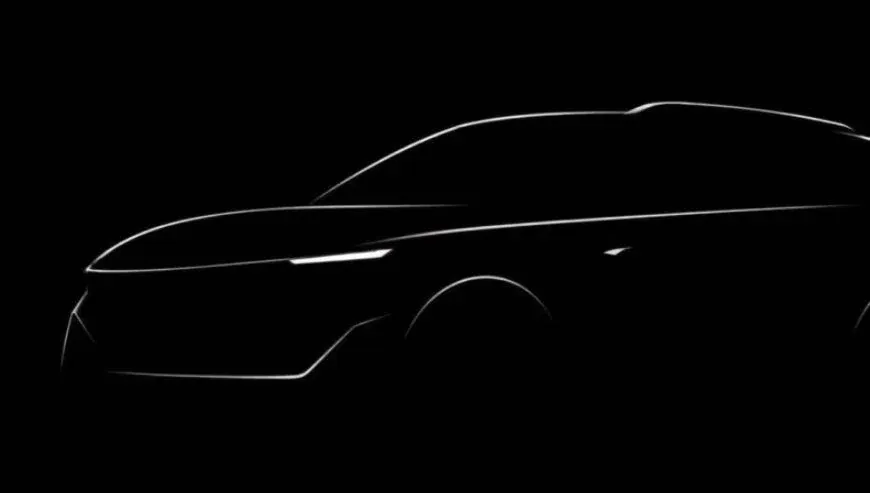
The future SUV will use the T1FT platform, developed for Chery Group’s urban models including Omoda and Jaecoo. The electric version will feature rear-wheel drive, a configuration that sets it apart from several competitors in its category. As of now, the engine power, acceleration, and top speed have not been disclosed.
LFP batteries will be available, with a 56 kWh pack in the highest-capacity version, offering an estimated 450 kilometers of certified range. An alternative option with 320 kilometers of range is also planned, though its battery capacity has not been specified. The available information does not indicate the testing cycle used to determine these figures, so they should not yet be considered confirmed WLTP ranges.
The maximum charging power and the time required to recharge are also unknown. These details will be crucial for assessing its competitiveness against rivals such as the Volkswagen ID. Cross or the Renault 4 electric. The announced range is promising for its size, but real-world performance will also depend on energy consumption and the speed at which it can be recharged.
The other major uncertainty is where it will be manufactured. Chery is considering producing it in Europe and is already in talks with manufacturers that have unused production capacity, including some with plants in France. No location has been finalized, and the choice seems to have a significant impact on the project timeline.
Manufacturing within the European Union could reduce its exposure to trade barriers on electric cars from China and facilitate access to certain incentives, provided it meets the relevant requirements. The company already has industrial operations linked to Barcelona, but that does not confirm the small SUV will be produced there. France is another possibility, not a decision yet made.
The price of the electric version has not been announced yet. We know the hybrid will cost around 20,000 euros, so it wouldn’t be unreasonable to speculate that the electric version will cost less than 25,000 euros.
This will be one of the key factors in evaluating the proposal, which, given its size and design, will have to compete in an increasingly crowded category. The interior space, physical controls, and the two range options offer an interesting foundation; what’s still unknown is how much it will cost to bring all of this home.