
Fast charging: Sorégies expands its scale with the acquisition of BP Pulse’s network
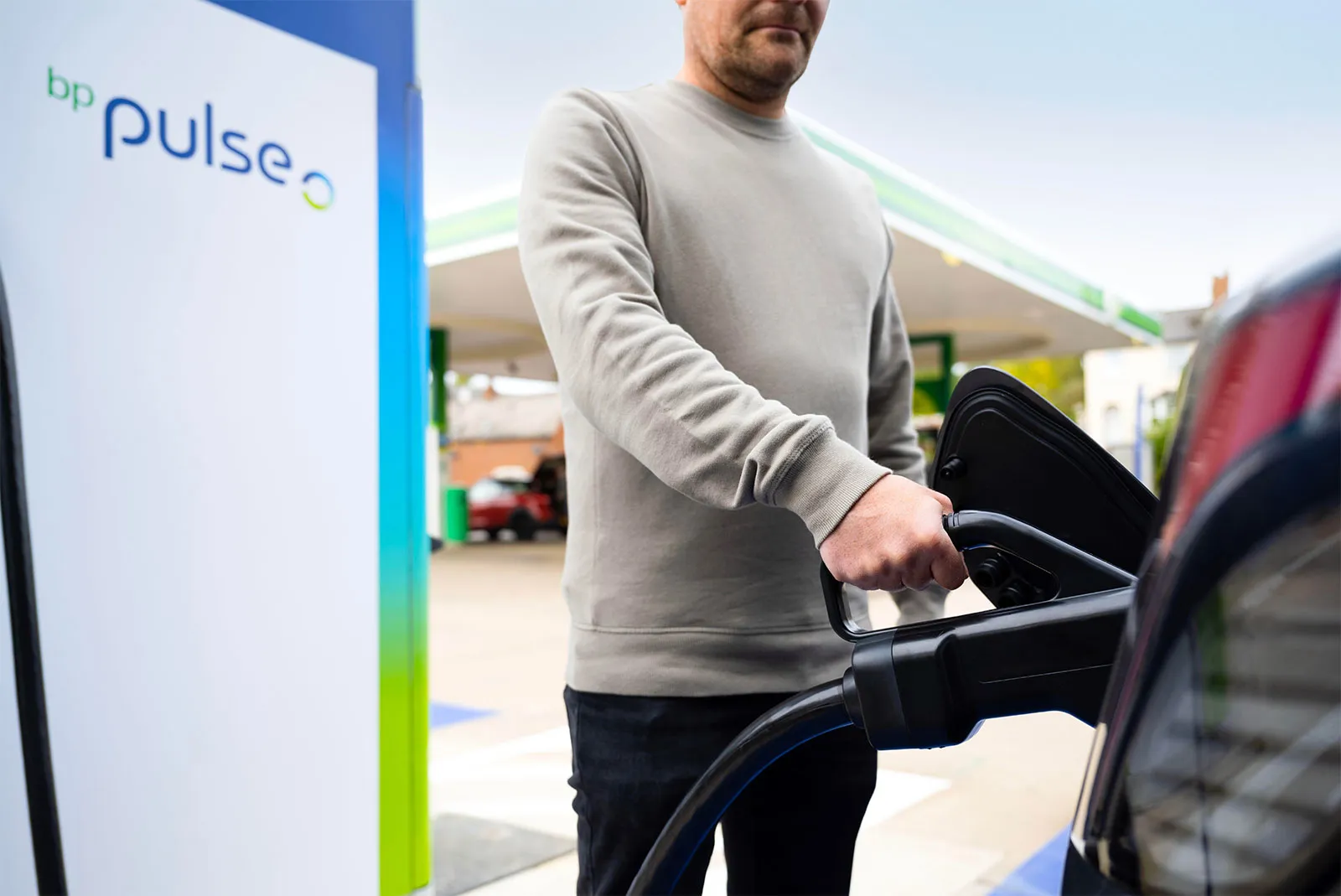
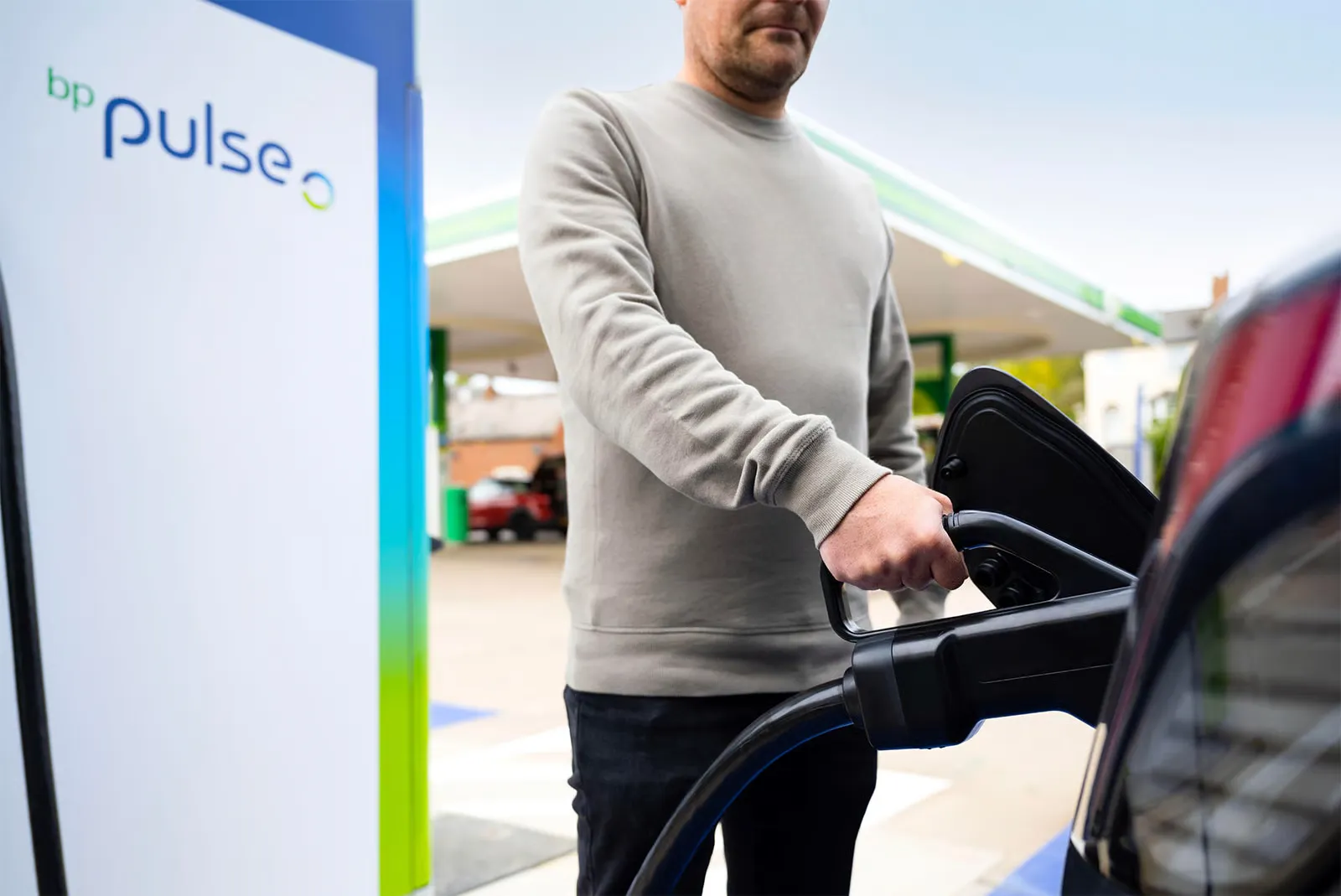
Sorégies will take over all of bp pulse’s electric charging assets in France. The acquisition includes 32 operational stations, over 600 charging points, and 14 additional sites under development. This move propels the Poitou-based company into a new dimension in the fast charging market.
Previously strong in Vienne and Indre, Sorégies is significantly expanding its operations. By acquiring bp pulse’s French network—the fourth-largest electricity provider in France—it gains a nationwide presence and is set to enter the top 10 of fast charging operators in France with more than 100 kW capacity, based on the number of operational charging points.
For Sorégies, this acquisition is part of an investment plan worth 1.5 billion euros by 2030, of which over 100 million euros are intended for electric mobility. It comes just a few months after another major acquisition: Alterna énergie’s purchase of Vattenfall’s French energy supply operations in April 2026.
Over 800 charging stations affected by the deal
The assets acquired from bp pulse include 32 sites already in operation, totaling more than 600 charging stations. In addition, there are 14 sites still under development, which are expected to add nearly 200 more charging stations.
A stock of charging stations as well as electrical substations are also included in the deal. The existing stations are primarily located along highway routes and in large shopping centers with regional reach.
The completion of the transaction is expected by the end of 2026, subject to standard prerequisites. Sorégies has already operated over 1,000 charging points in its traditional areas since 2015. Once the acquisition is finalized, the group will have more than 1,800 charging points.
Why is BP exiting the charging business in France?
The sale of the French network is not an isolated case. Since its strategic reset at the beginning of 2025, BP has embarked on a program to sell assets worth around $20 billion in order to focus on oil and gas, while promising to maintain targeted investments in the transition sector, including electric vehicle charging. In reality, these efforts have been significantly scaled back: the annual budget allocated to transition activities has dropped below $500 million, compared to the initial $5 billion planned.
BP Pulse has suffered as a result. At its peak, the subsidiary was present in twelve countries, but it now targets only four markets: the United States, the United Kingdom, Germany, and China. This shift has led to over a hundred job cuts across its global workforce of 900 people. Exit moves continue in Europe: BP Pulse and its Dutch gas stations were sold to Catom, followed by an agreement in Austria with Volenergy covering 250 stations and the country’s charging infrastructure, with completion expected by the end of 2026.
Sorégies creates a new subsidiary and takes over BP Pulse’s teams
The acquisition isn’t limited to the stations and charging points. BP Pulse’s employees specialized in the development, construction, and operation of charging infrastructure also need to join the group.
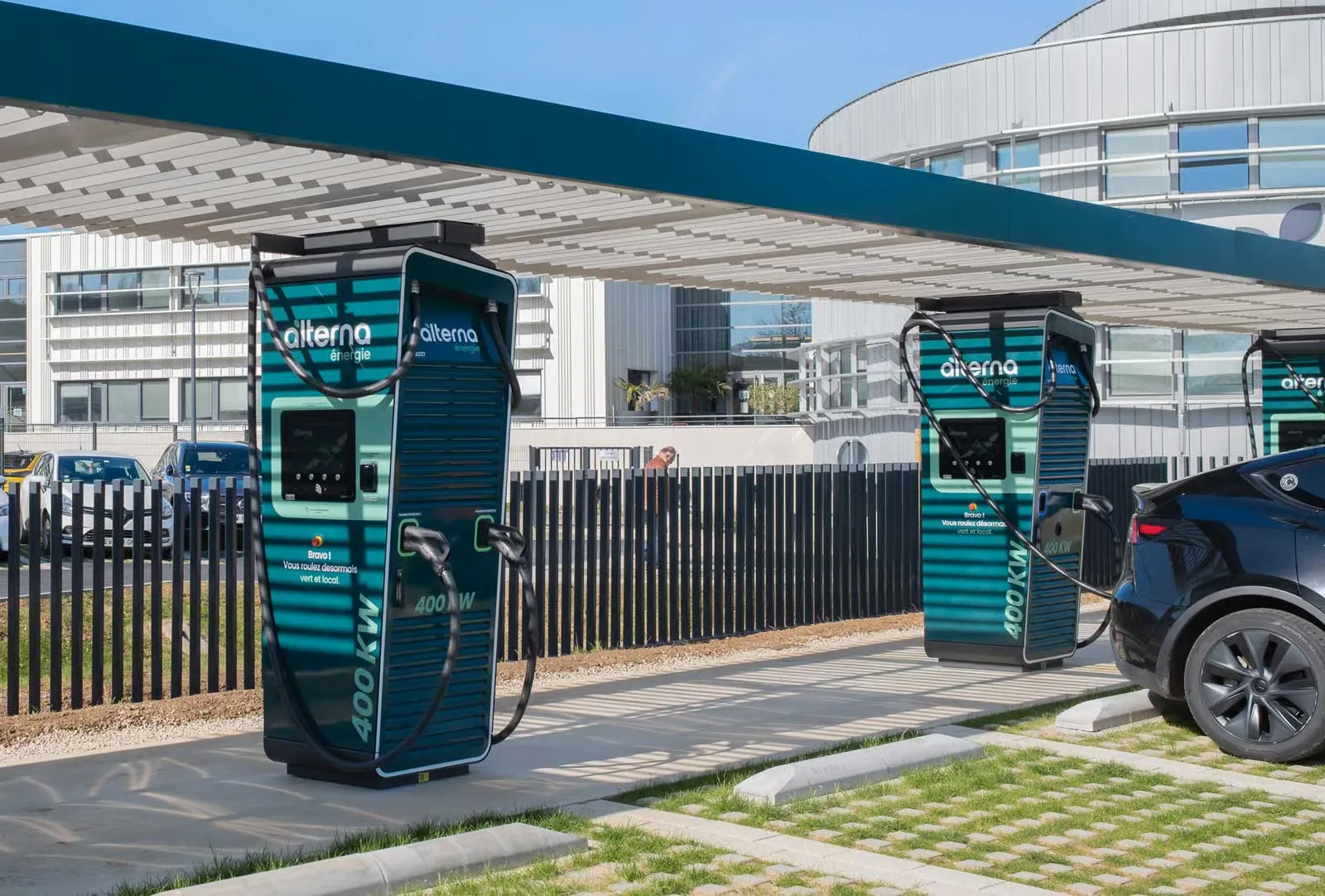
They will be integrated into a new subsidiary owned 100% by Sorégies and named Sorégies Mobilités. Its headquarters will be located in Paris. For the energy company, this transfer allows it to leverage existing expertise directly rather than having to build a new team from scratch.
The charging network will be operated under the Alterna énergie brand, Sorégies’ national subsidiary. The group aims to create synergies between electricity supply and electric vehicle charging.