
CATL and Octopus prepare to enter the home battery market, with Spain among their key target markets.
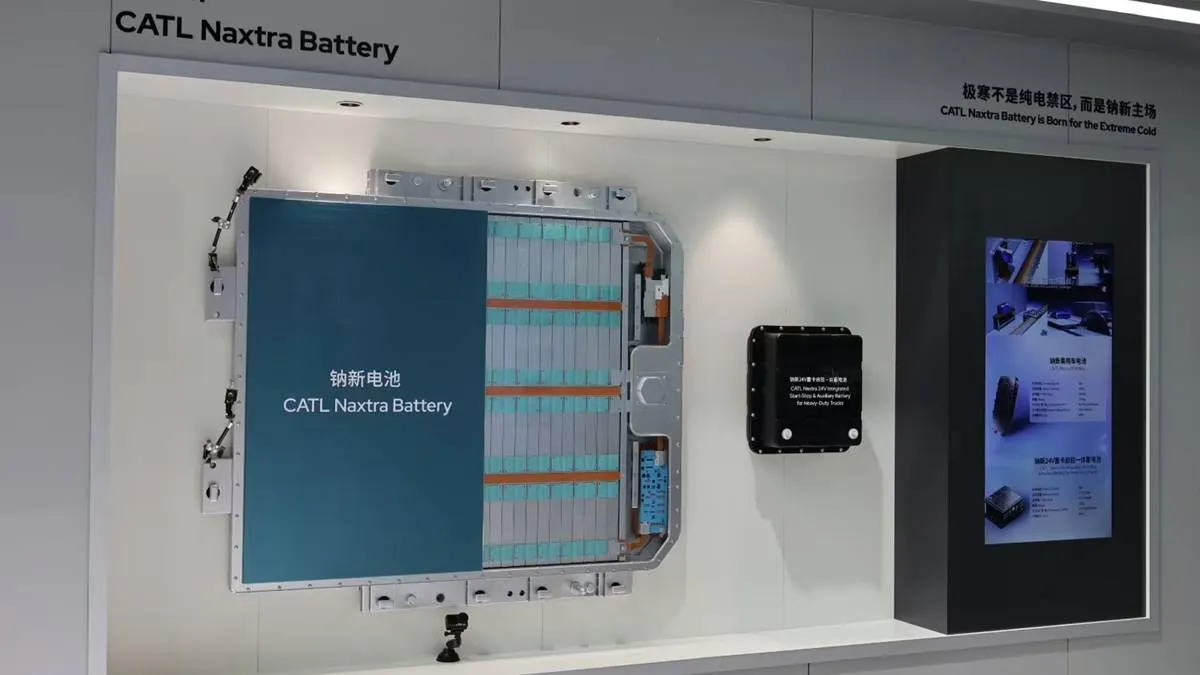
CATL has signed a memorandum of understanding with Octopus Energy and Ampace to explore battery solutions for homes in Europe. The agreement identifies Spain, France, and the United Kingdom as priority markets, with a proposal aimed at combining batteries with smart energy management.
This collaboration expands the relationship between CATL and Octopus Energy. The two companies had previously announced in June a project to introduce battery swapping for European heavy trucks. Now they want to extend their cooperation to residential homes, where energy storage can help make use of solar power and fluctuations in electricity prices throughout the day.
The task allocation has been defined. CATL will provide technological and supply chain support, while Ampace will handle the development and manufacturing of cells, battery management systems, and storage equipment. This joint venture between ATL and CATL operates in both energy storage and batteries for small vehicles and smart products.
Octopus Energy will offer its access channels to European consumers, along with algorithms for managing dynamic pricing and services for connecting to virtual power plants. The goal is to make home batteries part of a system capable of adjusting its operation to meet the needs of the household and market conditions.
A home battery connected to solar panels, electric vehicles, and the grid

The agreement involves exploring the integration of solar panels on rooftops, smart charging, and vehicle-to-grid technology, also known as V2G. This technology allows compatible electric vehicles to feed energy back into the grid rather than only drawing from it.
It also includes virtual power plants. Although the term may sound unfamiliar to consumers, the concept is simple: coordinating many batteries and other distributed resources so they can collectively meet the needs of the electrical system.
With this approach, home batteries could play a role in grid management. The companies’ stated goal is to reduce household electricity costs and improve the flexibility and responsiveness of Europe’s electrical system.
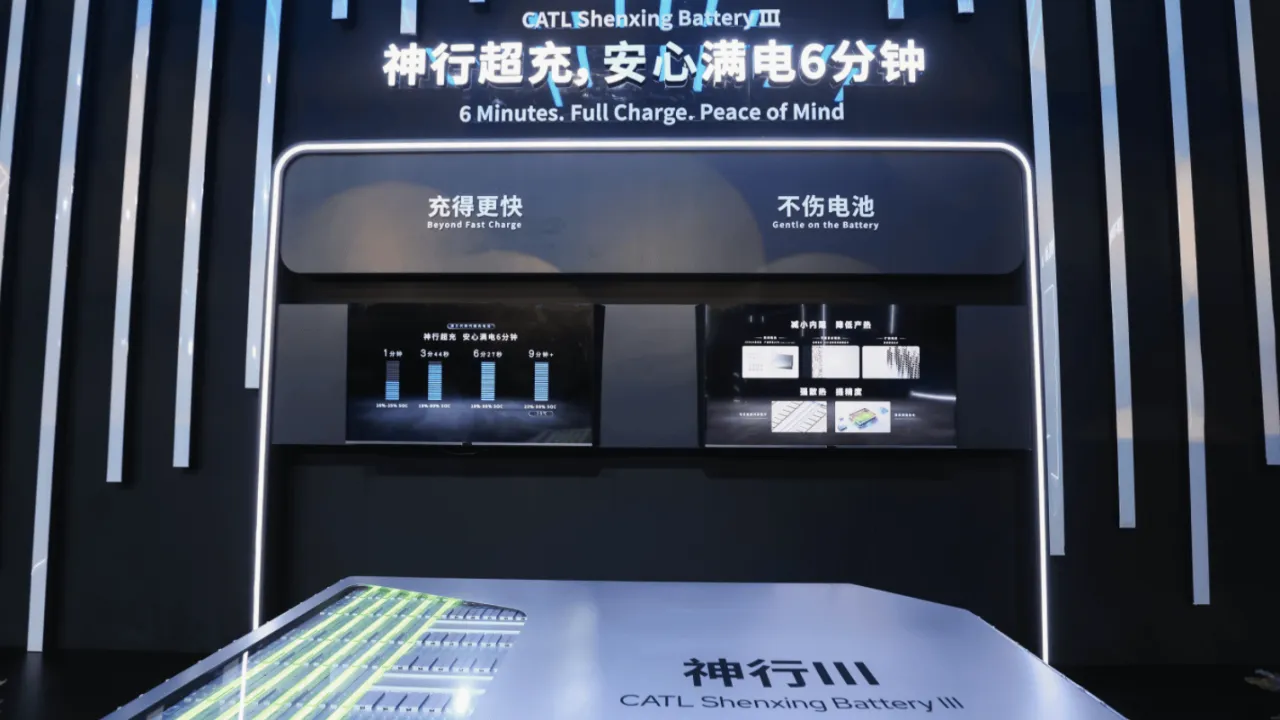
For a home with solar panels, storing excess electricity allows some of that power to be reserved for another time. If a dynamic pricing system is also implemented, management can take price fluctuations into account to decide when it’s best to charge or use the stored energy. The actual savings will depend, among other things, on the cost of the equipment, the contracted rate, and consumption habits.
CATL and Octopus Energy will also explore launching home solutions under a shared brand. For now, it is an agreement to investigate this business opportunity: the information provided does not specify capabilities, prices, or a launch date in Spain. It also does not outline the battery chemistry that would be used in these devices.
This announcement represents a new step in the European collaboration between the two companies. On June 22, they presented plans to create a 50/50 joint venture to introduce Qiji Energy’s battery swapping technology into heavy transportation.
According to that project, the first demonstration stations are expected to become operational in the UK by 2027, with priority given to major road routes and logistics ports.
For home batteries, what remains to be determined is what will make them attractive to consumers: how much they will cost to install and what savings they can offer. Spain is already among the priorities of the agreement, but a specific commercial proposal will be needed to see how far this partnership will go.
Excerpt: CATL, Octopus Energy, and Ampace are partnering to develop home battery solutions in Europe. Spain is among their priority markets, with plans to integrate solar energy, smart charging, and dynamic pricing.