
CATL begins battery production in Hungary. Debrecen is emerging as the battery capital of the Old Continent
In short:
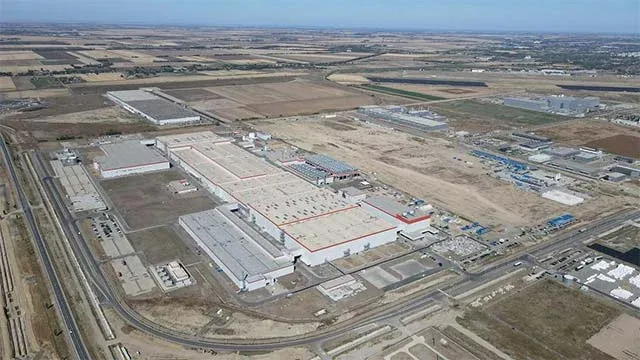
The Chinese battery giant has started trial production of cells at its new factory in Debrecen
The target production capacity for this investment in Hungary is 100 GWh per year
This is one of the key steps in CATL’s expansion into Europe—the world leader in the battery sector
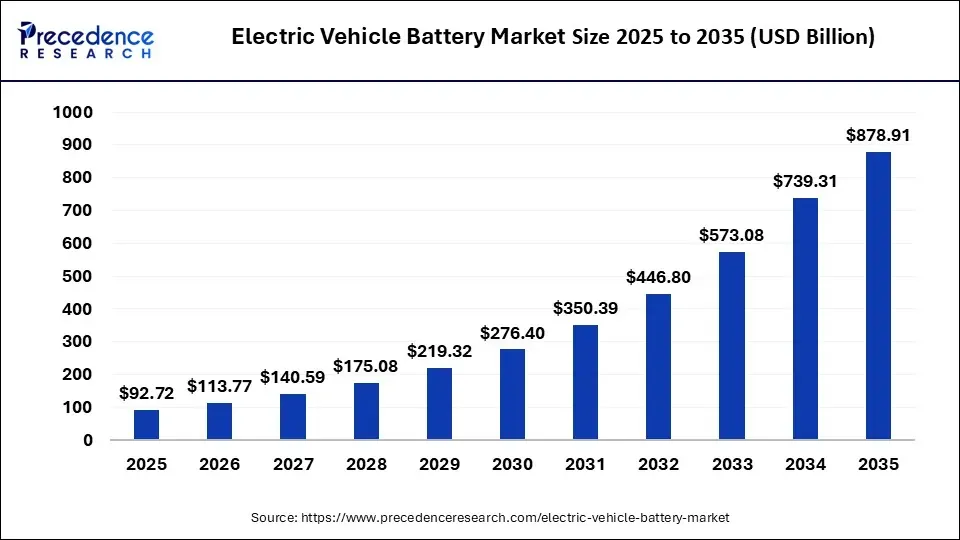
The battery market is expected to reach around $878.9 billion by 2035
CATL: Trial production has already begun
CATL officially commenced trial production of cells at its newly built factory in Debrecen, Hungary. The activation of the first two production lines marks the start of preparing the facility for mass production, which is set to begin soon, as well as the construction phase of one of the most important battery components in Europe’s electric vehicle supply chain.
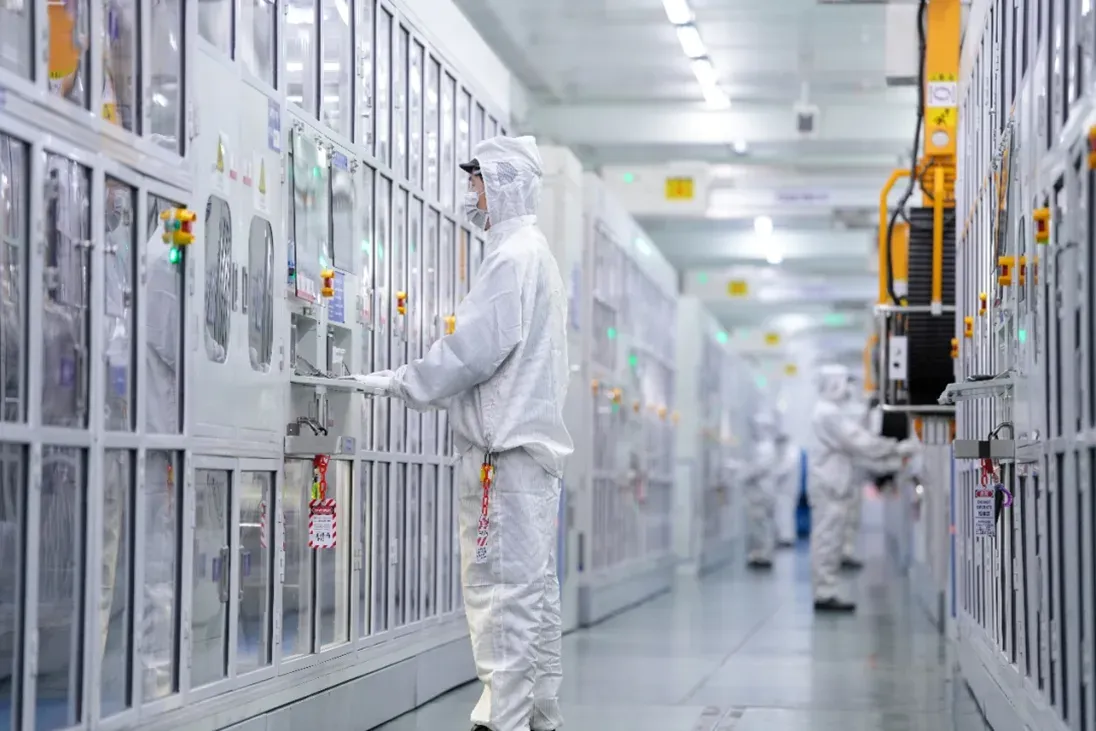
According to the Electric Cars Report, trial production began on September 22 after all formal requirements were met and necessary permits were obtained. The purpose of this phase is to configure, optimize, and verify the equipment and technological processes before starting full-scale production.
Recall that CATL announced the investment in Debrecen in August 2022 as the company’s second European factory. From the outset, the plant was intended to play a strategic role in serving European automakers who are rapidly increasing production of electric vehicles. Construction of the first facility designed for cell production began in the summer of 2023, and by spring 2026 it was equipped with modern production systems.
CATL’s location is not random
Once at full capacity, the factory is expected to produce up to 100 GWh of cells per year, making it CATL’s largest facility outside China. This capacity is sufficient to supply batteries for hundreds of thousands of electric vehicles annually, according to the manufacturer.
The location is no coincidence, as Hungary has become one of Europe’s most important centers for electric vehicle production in recent years. Companies such as BMW and Mercedes-Benz, along with other manufacturers expanding their electric vehicle offerings, operate there or have already invested there. The presence of a large battery factory in close proximity to the assembly plants reduces logistics costs, limits transportation expenses, and enhances supply chain resilience — according to China Daily.
CATL emphasizes that pilot production will be carried out under strict environmental and safety oversight. The company has pledged to regularly monitor the impact of its operations on the environment, workers’ health, and working conditions, and to report the results to relevant authorities. It also declares full openness to inspections by government agencies and regulators — as stated in the announcement.
A “fascinating battle”?
It is also important to note that the plant in Debrecen is not starting from scratch. According to CATL, battery module production has been underway there since autumn 2024. To date, the Hungarian factory has produced around 537,000 of these modules. The launch of cell production signifies that the investment has reached a much higher level of technological integration.
Interestingly, CATL’s expansion of its European production capacity is taking place at a time when there is an interesting debate surrounding the Chinese manufacturer in its domestic market. As CleanTechnica notes, Chinese media have reported claims suggesting that some automakers are trying to reduce their reliance on this giant. This phenomenon has even been dubbed “de-CATLization.”
However, media outlets affiliated with China’s Ministry of Industry and Information Technology responded to these reports. An expert cited by China Daily described the media speculation as a “media farce.” According to the article’s authors, adjusting supply chains, adding new suppliers, or developing proprietary battery technologies are “normal market behaviors” that should not be interpreted as a conflict between automakers and battery manufacturers.
In addition, the issue of quality is also appearing more frequently in Chinese discourse. As China Daily reminds us, a battery is not an ordinary, standardized component of a vehicle. It is explicitly stated that it affects “the vehicle’s safety, reliability, durability, and user experience.” Therefore, the authors warn that pressure to lower prices should not lead to compromises on quality.
The battery market is growing faster than the car market
The prospects for the entire sector remain very favorable. According to a Precedence Research analysis, the global electric vehicle battery market was worth $92.7 billion in 2025, with its value expected to rise to $113.8 billion by 2026. In the longer term, the projections are even more impressive. By 2035, the market value is projected to reach around $878.9 billion, at an average annual growth rate of 25.2%. A large share of these revenues goes to CATL.
The largest market for traction batteries remains the Asia-Pacific region, accounting for over 40 percent of global sales. Lithium-ion batteries continue to dominate the technology landscape, holding more than 65 percent of the market share. Growing sales of electric vehicles, technological advancements, declining production costs for battery cells, and increasingly stringent regulations on CO₂ emissions are all contributing to the industry’s development.
At the same time, the importance of Battery Management Systems (BMS) is rising, as they ensure the safety, performance, and longevity of batteries. According to Market Data Forecast analyses, the European BMS market will be among the fastest-growing segments in electromobility by the middle of the next decade, indicating that competition will now extend not only to battery cells themselves but also to advanced software and control electronics.
Oskar Włostowski