
CATL wants to build more battery factories in Europe because 164 GWh per year “is not enough,” but it has a problem: there is a shortage of workers.
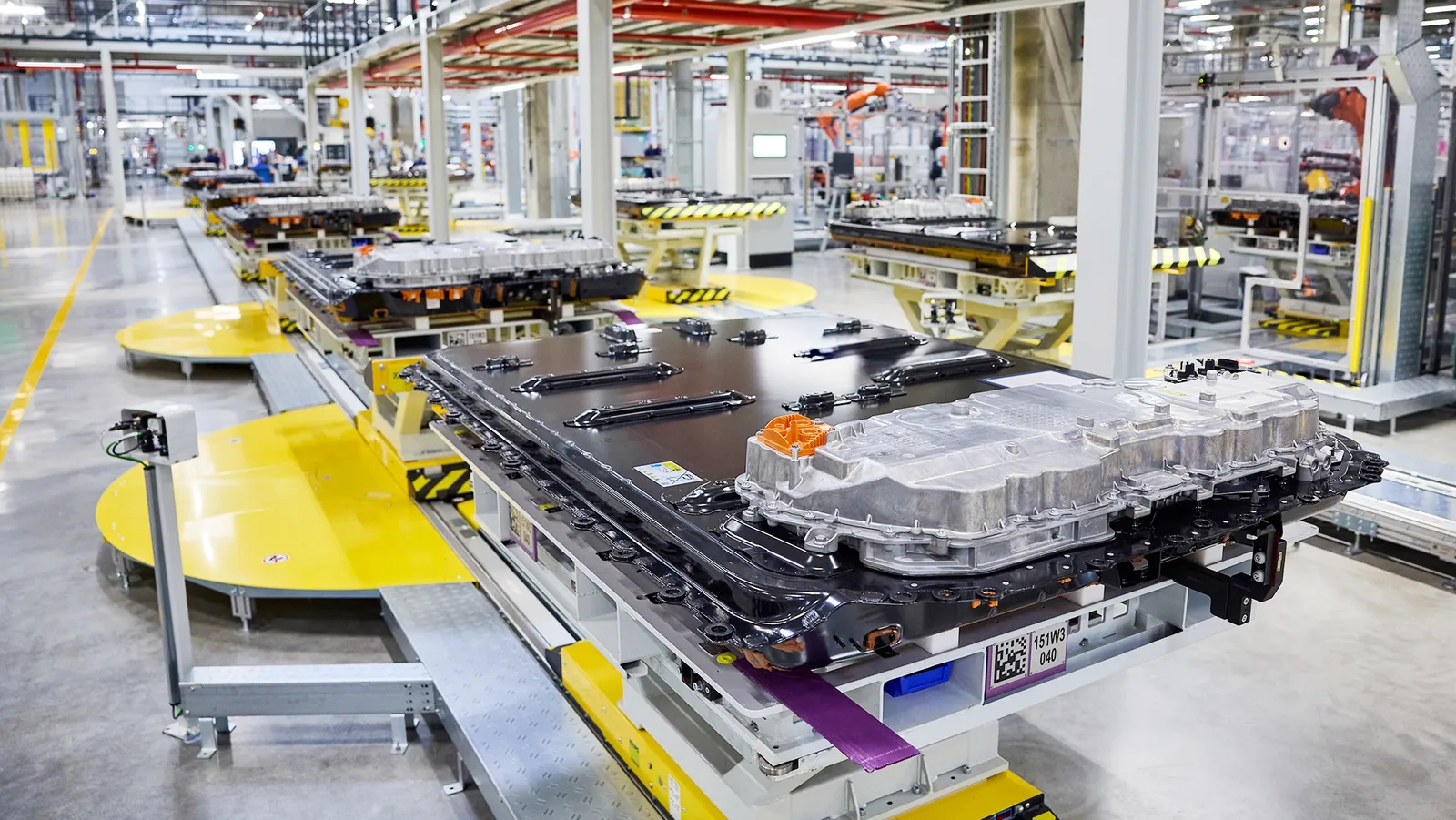
China continues to strengthen its presence in Europe’s electric vehicle industry. CATL, the world’s largest battery manufacturer, has confirmed its intention to build new gigafactories in Europe to meet rising demand. Most notably, this announcement comes as the company is still expanding its industrial capacity on the continent, with three major facilities located in Germany, Hungary, and Spain.
This is what Matt Shen, CATL’s head of Europe, explained in an interview with fDi Intelligence. He believes the investments announced so far will be insufficient to meet the market’s future needs. “It’s not enough,” he said regarding the planned production capacity. His remarks come at a time of strong growth in electric vehicle sales, but they also highlight a challenge that extends beyond cars, such as the electrification of commercial transportation and energy storage.
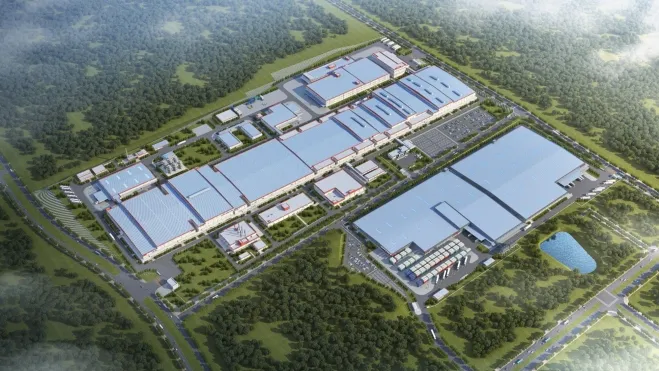
CATL is already preparing new factories despite having 164 GWh planned for Europe
Currently, CATL has a factory in Germany with an annual capacity of 14 GWh. This is supplemented by its industrial complex in Hungary, designed to reach 100 GWh, with production gradually increasing. The third major investment is in Spain, where it is developing a new battery gigafactory with Stellantis in Figueruelas, Zaragoza, which is expected to have a maximum annual capacity of 50 GWh.
The Spanish project involves an investment of up to 4.1 billion euros and will specialize in lithium-iron-phosphate (LFP) chemistry batteries, a technology particularly useful for producing more affordable electric vehicles. Operations are scheduled to begin gradually, so the full capacity will not be available from the start.
In total, the three facilities represent an estimated annual industrial capacity of 164 GWh, although not all are currently in operation. Despite this, Shen believes it is necessary to continue expanding the production network. CATL has not yet identified the countries that could host its next factories, nor has it disclosed specific investments or timelines. According to the executive, proximity to automobile manufacturers and access to energy and logistics infrastructure will be key factors in selecting locations.
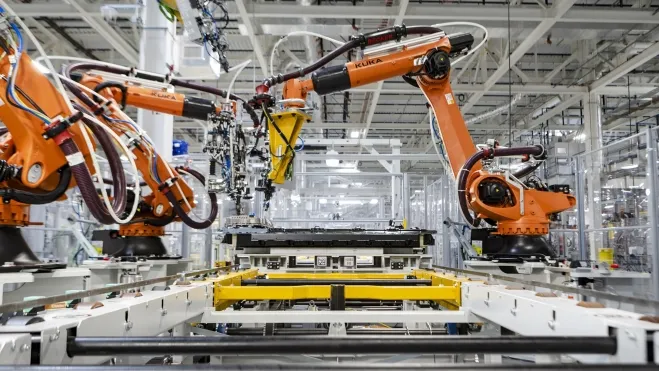
Electric cars will be just the first of 3 major waves
CATL’s confidence in the European market stems from growth prospects that extend beyond the automotive sector. Shen identifies three major waves of electrification that will drive battery demand in the coming years. The first relates to electric passenger vehicles, a market that is already experiencing significant expansion.
In fact, according to data from Benchmark Mineral Intelligence, 3.9 million electric vehicles were sold in Europe between January and September 2026, representing a 30% increase compared to the same period the previous year. For CATL, this growth justifies continuing to expand its production capacity and locating factories closer to its key customers.
The second wave will be driven by stationary energy storage systems, which are used to store electricity and facilitate its integration into grids. The third wave will involve commercial vehicles, including trucks and other industrial models, whose electrification will require high-capacity batteries. These new applications could significantly increase European demand in the coming years.
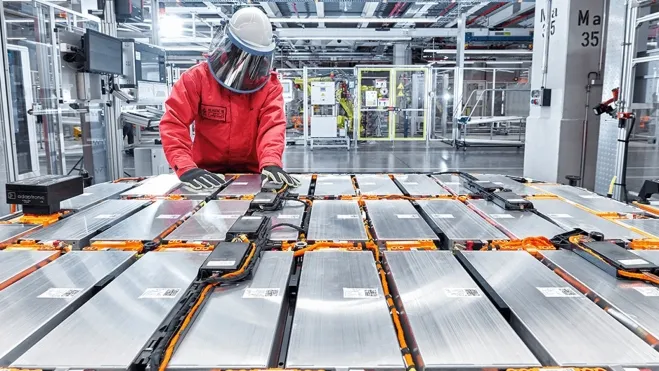
Europe’s biggest problem isn’t building factories, but finding workers
However, CATL’s European executive identifies a particularly significant obstacle to implementing these plans: the shortage of skilled personnel. “The biggest challenge are the people,” admitted Shen, who believes Europe still needs to build a sufficient pool of professionals specialized in battery manufacturing.
The executive explained that Europe’s industry is developing much of this capacity from scratch, and there is a lack of both experienced workers and specialized engineers. Training them will take time, which could affect the speed at which new facilities can expand.
The statements reflect a particular situation, as while Europe tries to develop its own battery industry to reduce its reliance on foreign sources, China’s largest battery manufacturer believes the market still offers opportunities to build more factories. Spain is already part of this strategy thanks to the Zaragoza project, although CATL has not confirmed whether it plans new investments in our country.