
CATL is preparing solid-state batteries for 2027: aiming for 500 Wh/kg and 1,500 km of range
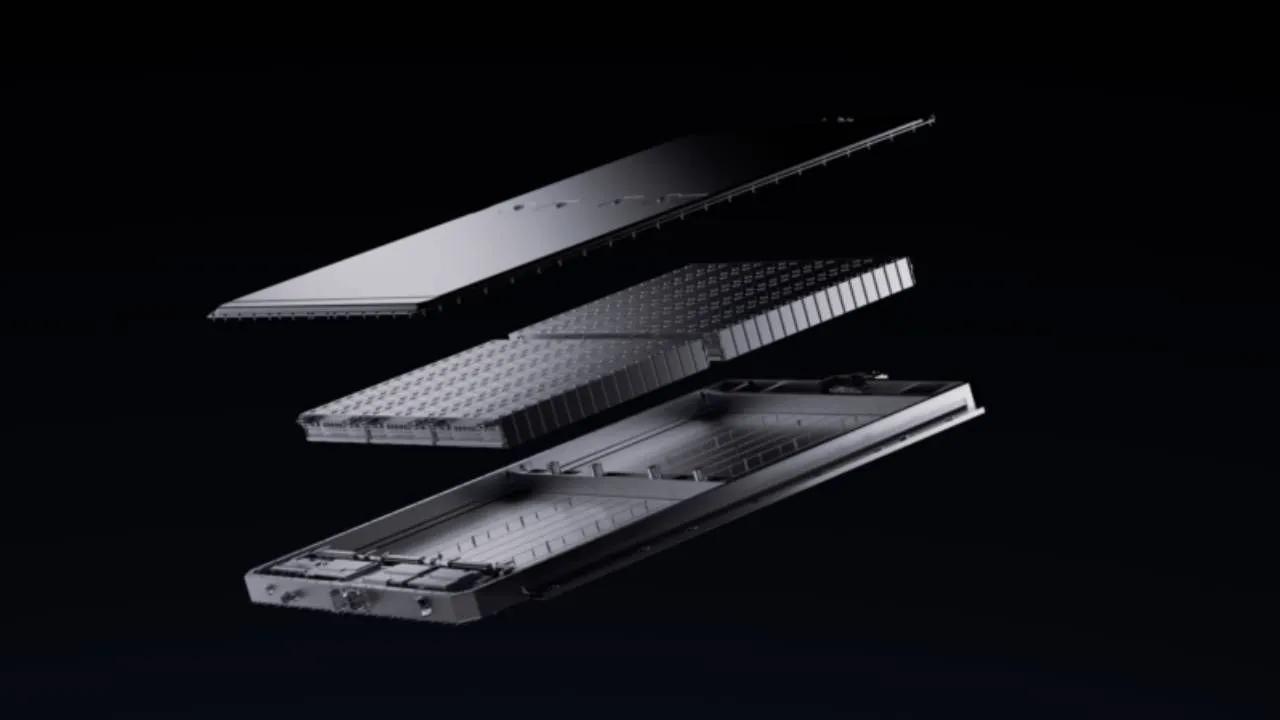
Solid-state electrolyte batteries are gradually reaching their prime time, carrying great promises with them. The ability to store more energy without increasing weight is highly attractive, but translating that promise from the laboratory to production has proven far more complicated. However, China seems to be cracking this puzzle, with companies like the giant CATL already in the final stages of development.
The Chinese manufacturer has moved from a validation platform using cells with around 10 Ah capacity to testing samples with 20 Ah capacity, according to information released about its development program. This represents a step forward in increasing cell capacity, though it still doesn’t mean they have batteries ready for installation in production vehicles.
CATL reintroduced small-scale production in 2027, as stated in a response to investors published on October 27 on the Shenzhen Stock Exchange’s Hudongyi platform. Large-scale production is expected around 2030. Between these two milestones lies a significant industrial challenge: creating functional samples is one thing; ensuring they can be produced consistently, reliably, and cost-effectively on an assembly line is another.
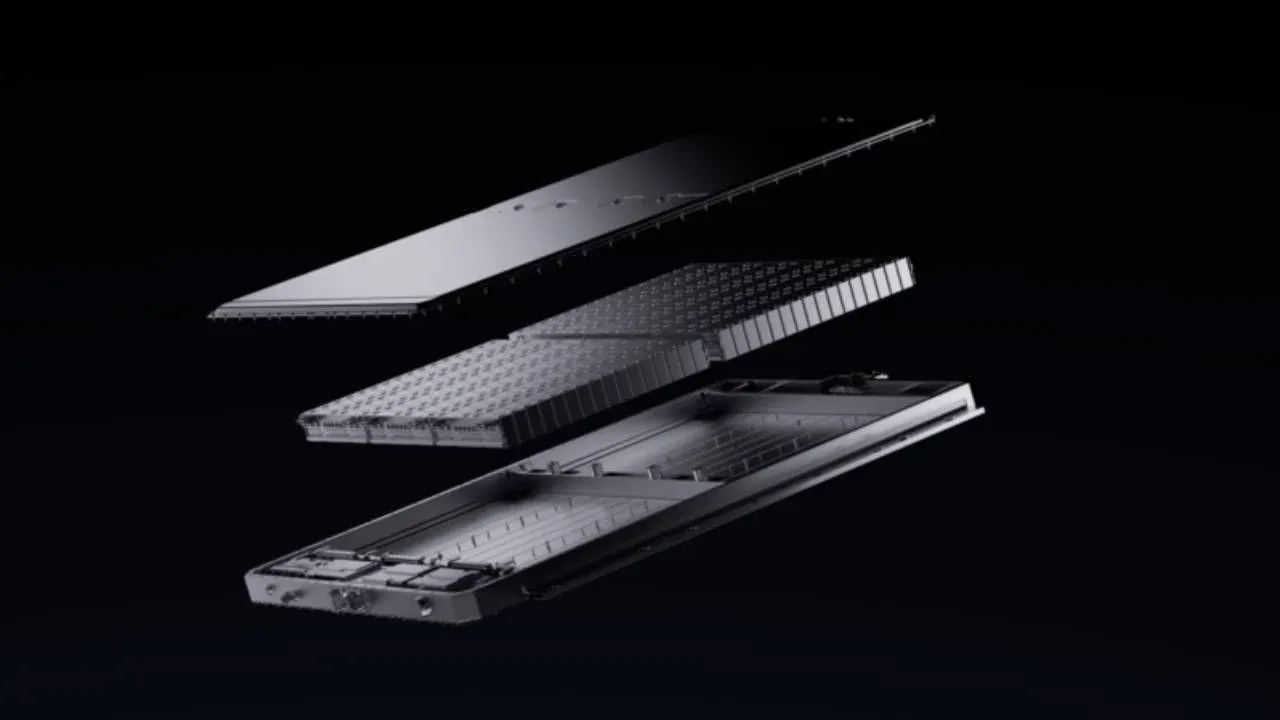
The program employs a team of over 1,000 people and aims for an energy density of approximately 500 Wh/kg. This figure is a development target, not a confirmed specification for the cells that will be produced in series. Nor have details been released regarding the volume of the first batches, the car manufacturers that will receive them, or a commercial launch date for these samples.
In addition, the energy density of a single cell should not be confused with that of the entire battery pack. When integrating cells, structural components, connections, cooling systems, and other elements must be added, all of which contribute to weight. Therefore, this target alone cannot determine the range of a future electric vehicle or the weight of its battery.
The challenge lies in ensuring durability and producing at an affordable cost.
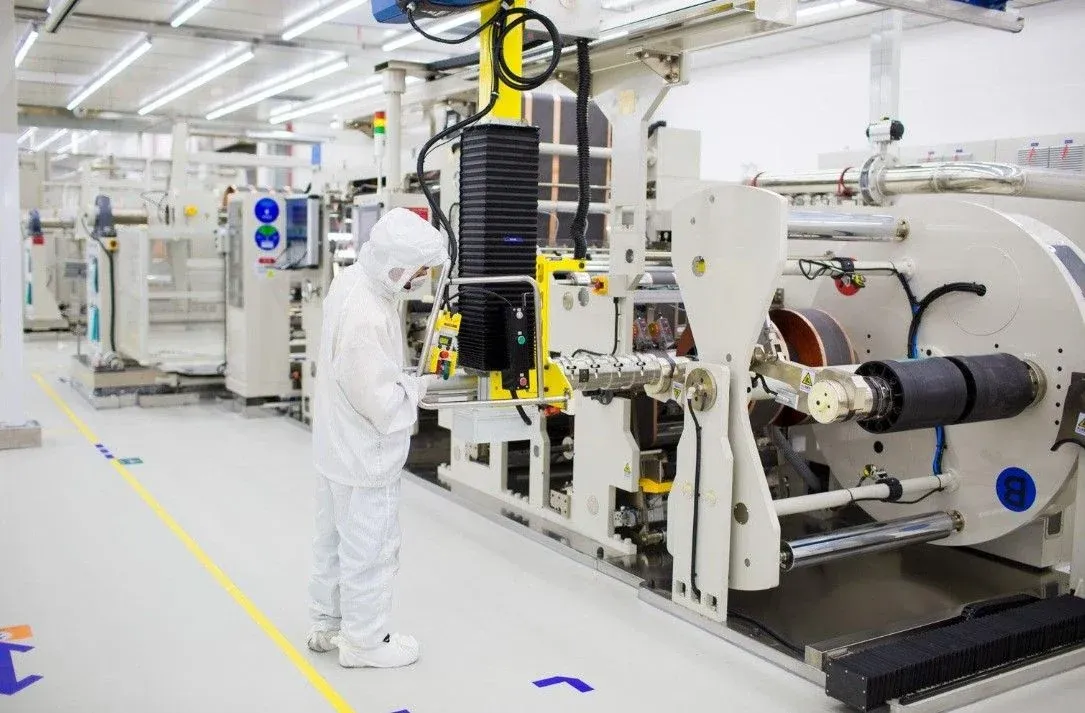
Energy density is one of the metrics that generates the most headlines, but it isn’t enough to determine whether a battery is ready for market release. Lifespan, safety, performance at different temperatures, and the percentage of cells that meet specifications upon leaving the factory are also important factors. If too many units are rejected, the cost can render even a promising technology unviable.
CATL’s president, Robin Zeng, had previously rated the maturity of solid-state batteries at level 4 out of a scale of 9. This assessment helps illustrate the gap that still exists between development progress and widespread industrial adoption. The next challenge is to demonstrate that performance remains consistent as cell size and production volume increase.
The solid sulfide electrolyte approach offers good conductivity for lithium ions, but it presents difficulties in material contact. During charging and discharging, the electrodes expand and contract. These movements can degrade the junction areas and hinder ion flow, affecting cell performance and lifespan.
Therefore, the design must manage factors such as contact pressure and resistance between components. It’s not just about finding materials that work well individually, but also ensuring they continue to function together after many cycles. This is one of the reasons why increasing a battery’s capacity does not automatically solve durability issues.
Sulfides also require careful control of humidity. Certain reactions can release hydrogen sulfide, a toxic gas, which necessitates attention to material handling and manufacturing conditions. Therefore, the use of a solid electrolyte does not eliminate all safety requirements in industrial processes.
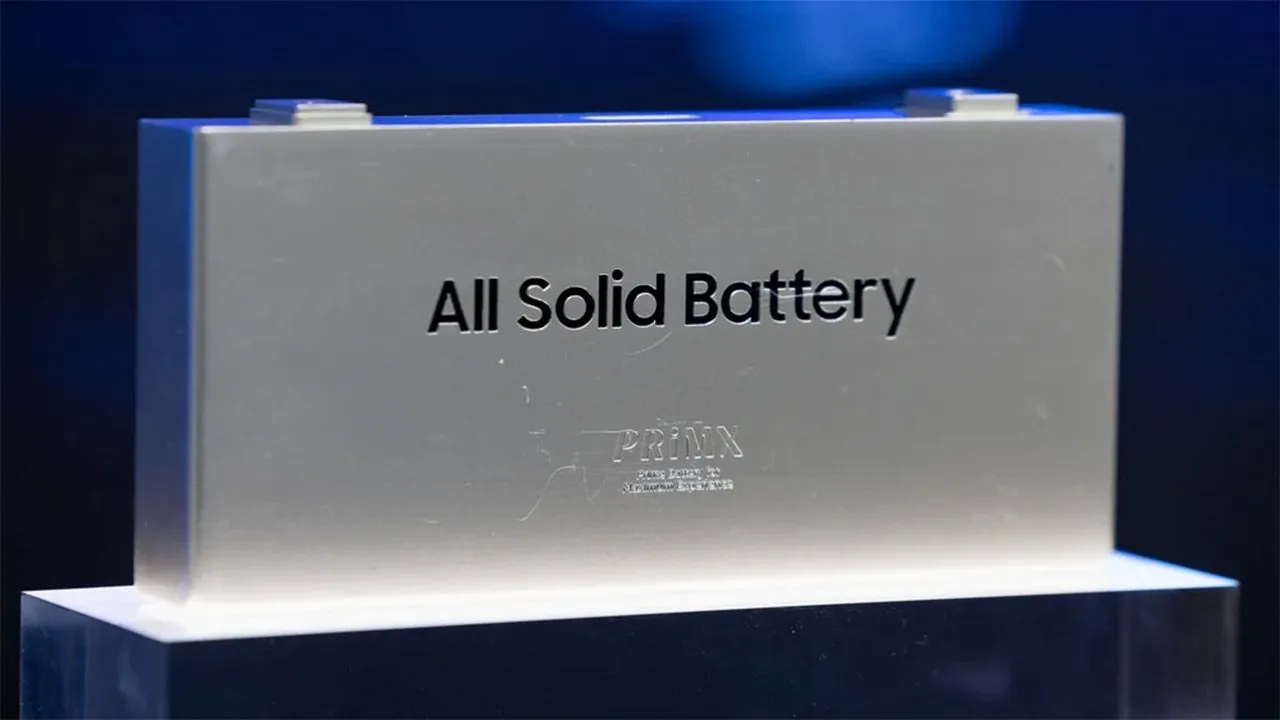
Achieving such high energy densities also depends on electrode design. Solutions being explored in the industry include metal lithium anodes and configurations without an initial anode. For example, Samsung SDI has described its work with this latter technology. CATL has not detailed the configuration it uses in its latest samples, so no specific solution can be attributed to them.
The timeline places CATL alongside other major manufacturers, though their goals are not equivalent. Toyota and Idemitsu intend to market electric cars with solid electrolyte batteries between 2027 and 2028, while Samsung SDI aims to begin mass production in the second half of 2027. The overlap in dates does not mean they will all deliver comparable products or in the same quantities.