
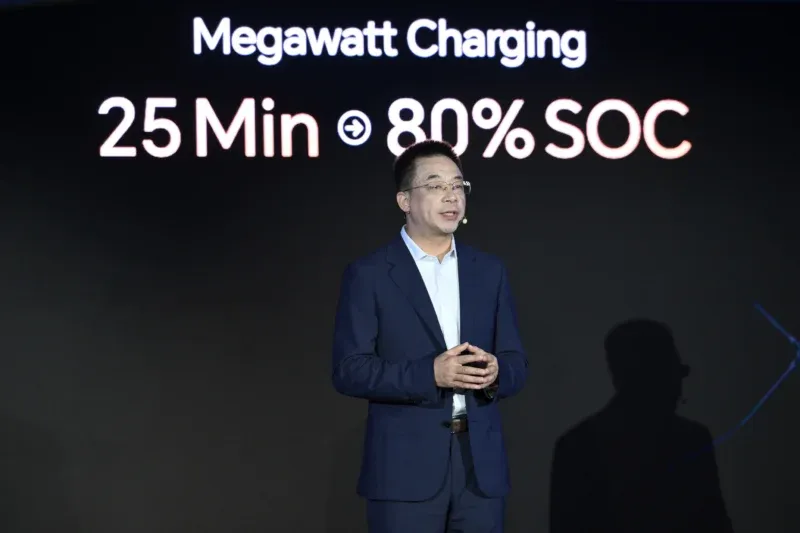
CATL unveils a battery set to transform the commercial vehicle sector. Range of up to 1000 km and 25 minutes to charge to 80 percent.
In short:
CATL has unveiled the Tectrans II platform, designed to address the key challenges in developing electric trucks
Depending on the number of battery packs used, the vehicle’s maximum range can reach up to 1000 km – claims the battery giant
The battery can be charged from 0 to 80 percent in 25 minutes – emphasizes CATL
The Chinese debut in Hanover aligns with the global trend of rapid growth in electric commercial vehicle sales
According to the International Energy Agency, global growth in this segment of vehicles is driven primarily by the economic conditions in China
CATL: Tectrans II aims to accelerate the electrification of heavy transportation
At the IAA Transportation 2026 exhibition in Hanover, CATL unveiled Tectrans II, the next generation of batteries designed for commercial vehicles. The manufacturer describes it as a modular platform that can be used in both heavy and medium-duty trucks as well as buses.
The new design was created to enable vehicle manufacturers to build various configurations using standardized battery modules. Depending on the number of packs used, the vehicle’s maximum range can reach up to 1000 km. According to CATL, this architecture can reduce the development time for new models by 50 percent and cut R&D costs by 60-70 percent!
High performance and the third wave
The new platform offers an energy density of 170 Wh/kg, which is about 13 percent above the market average. This allows the vehicle to carry an additional approximately 600 kg of cargo. CATL also claims a charge and discharge cycle efficiency of 96 percent, as well as a lifespan of 12 years or 1.5 million kilometers while maintaining 70 percent of the battery’s original capacity.
Akin Li, CATL’s president in charge of international operations, said, “The electrification of commercial vehicles is becoming the third wave of global energy transformation. In terms of products, energy, services, and the entire ecosystem, CATL is ready to collaborate with partners around the world to jointly harness the potential of this third wave,” according to Automotive World.
Equal emphasis was placed on safety aspects. The design uses a hot-pressed steel cover that, according to the manufacturer, can withstand 180-kilogram loads repeated 10,000 times. Protection from below is provided by a shock-resistant plate capable of withstanding 1,000 J of energy, while the aluminum casing with additional reinforcements offers resistance to lateral compression up to 250 kN. The manufacturer also claims corrosion resistance for 15 years of use.
The system is also equipped with a multi-channel battery management system (BMS), which allows damaged sections to be disconnected while maintaining the vehicle’s operation. CATL further highlights the use of multi-layered cybersecurity protections in line with international information security standards.
DHL and CATL aim to create “green transportation corridors”
The launch of Tectrans II was not the only significant event at the trade show. CATL also signed a cooperation memorandum with DHL Group. Both companies announced plans to develop networks of so-called Green Freight Corridors, which are green transportation corridors for electric road transport in Europe.
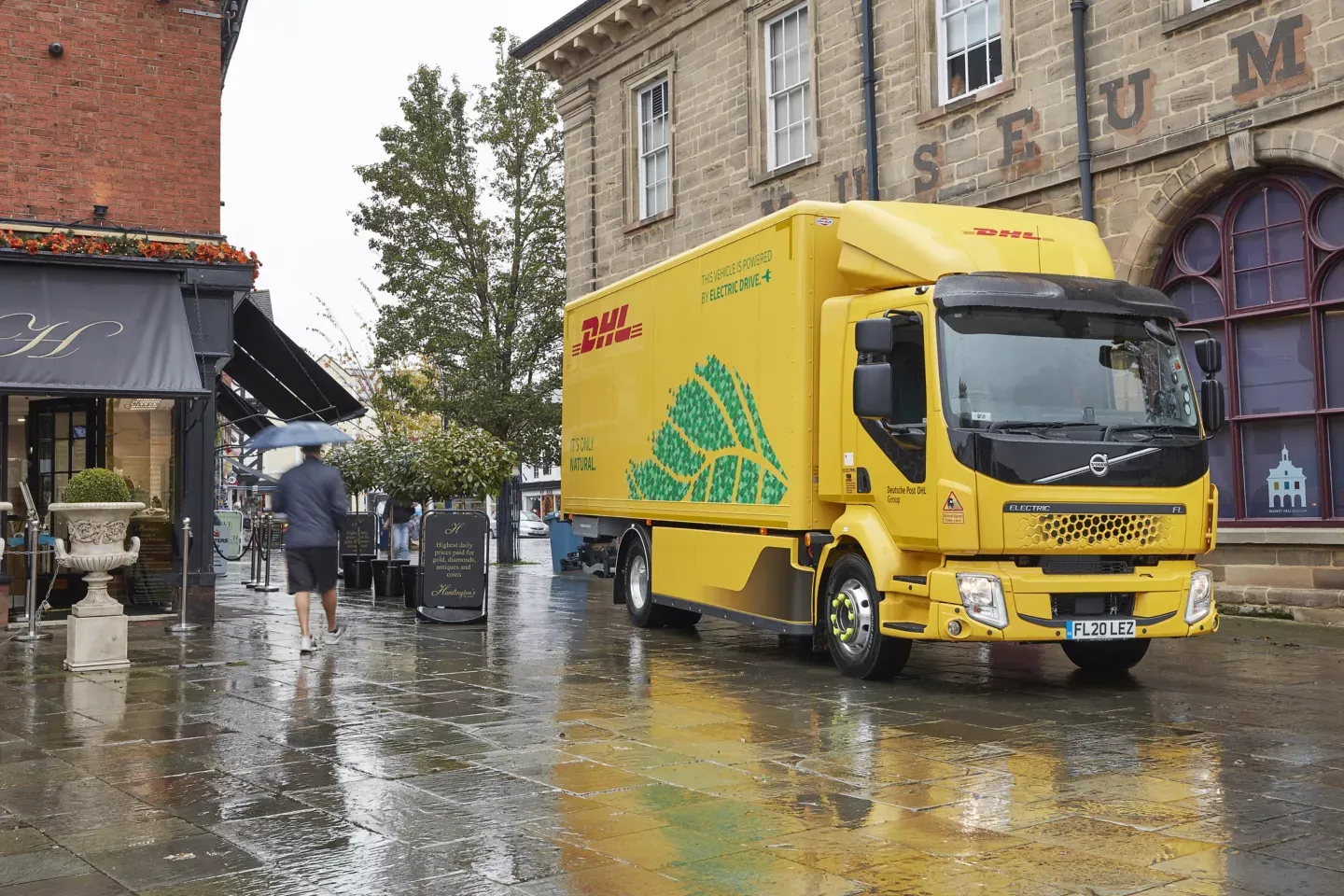
The project aims to leverage DHL’s expertise in logistics and transportation operations, as well as CATL’s capabilities in batteries and electrification. Together with vehicle manufacturers, the partners plan to develop specialized electric trucks and launch pilot projects on European freight routes, according to PR Newswire.
The battery market grows alongside electrification
The launch of the new platform coincides with exceptionally rapid development in the global electrification market, which directly drives demand for traction batteries. According to a report by the International Energy Agency (IEA), the global fleet of electric vehicles is set to increase by more than six times from its current level by 2035, reaching as many as 510 million vehicles. Electric cars could account for around 50 percent of global new car sales by the middle of the next decade.
China remains the strongest driver of growth. The IEA indicates that by 2025, about 70 percent of electric cars sold there will be cheaper than average gasoline vehicles. As a result, by 2035, the share of electric cars in new car sales in China could exceed 90 percent.
The Southeast Asian markets are also gaining importance. In Thailand, the prices of electric cars have remained at a level comparable to those of gasoline models for two years, while in Indonesia the price premium for electric cars has significantly declined. According to IEA projections, Vietnam could become the leader in the region, with the share of electric vehicles in new car sales potentially exceeding 80 percent by 2035.
Electric trucks are driving a new battery market segment
From the perspective of battery manufacturers, the commercial vehicle segment is particularly interesting. The IEA states that global sales of electric trucks more than doubled in 2025, accounting for 9 percent of all new truck registrations worldwide. China was responsible for the vast majority of this growth, where one in four trucks sold were battery-powered.

According to the agency, electric trucks are still two to three times more expensive than their diesel counterparts, but the total cost of ownership is becoming increasingly competitive due to falling battery prices. In Europe, parity in cost with internal combustion vehicles is expected around 2030.
It is no coincidence that CATL is strengthening its position precisely in this segment. The IEA indicates that the Chinese manufacturer supplies about 80 percent of the batteries used in electric trucks sold in China. This shows how closely the development of the global battery market is linked today to the expansion of China’s electric mobility sector.
Oskar Włostowski