
CATL unveiled Tectrans II for trucks. 1000 km on paper, 25 minutes to 80% charge
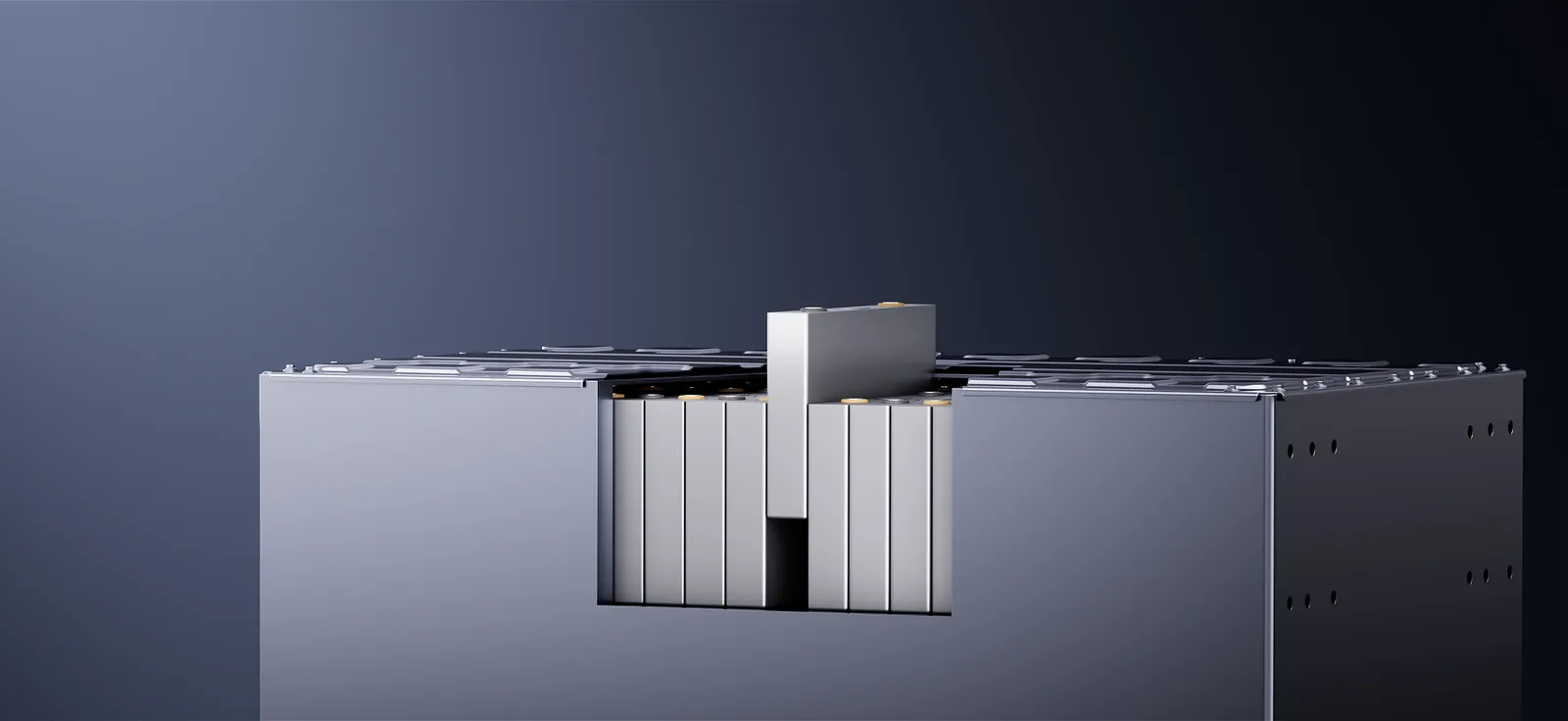
CATL unveiled the new Tectrans II traction battery for commercial vehicles at IAA Transportation 2026 in Hanover. In its top configuration for heavy trucks, the company claims a range of up to 1000 km and a 10-80% charge time in 25 minutes using megawatt-level charging power.
Table of Contents
Show
Hide
For the market, this is no longer just another battery launch. CATL also signed an agreement with DHL regarding green logistics corridors in Europe, aiming to sell not just the battery but the entire implementation framework.
Tectrans II is designed to be a multi-purpose battery
Tectrans is CATL’s brand for commercial vehicles. The new Tectrans II is intended for heavy, medium trucks, and buses, covering a wide range of applications such as long-distance transportation, ports, mines, urban distribution, and passenger transport.
The core of this platform is simple. CATL focuses on a modular architecture using standardized battery packs. The manufacturer claims that by adjusting the number of packs, it’s possible to tailor capacity and charging speed to specific applications, and the platform is compatible with both e-axle drives and central drive systems.
This makes sense because the commercial vehicle sector prefers simplicity. The fewer unique batteries per model, the easier it is to achieve scale, provide maintenance, and make upgrades over time.
CATL adds another important detail. Tectrans II is designed to support both conventional charging and battery swapping. This doesn’t mean battery swapping will suddenly become standard in Europe, but for fleets and closed routes, such an option remains useful.
1000 km range and 25 minutes to 80% charge. There’s a number, and there’s a star rating.
The most striking claim is its impressive range: up to 1000 km for a heavy truck. But as usual with such claims, the details matter most. The full vehicle configuration, total weight of the setup, route profile, or average energy consumption aren’t specified here. On paper, it looks very good, but in actual highway transportation, the results will depend on the load, weather, terrain, and speed.
The second figure is more practical. CATL promises 80% charging in 25 minutes using megawatt-level charging. This is already a level that makes sense for long-distance logistics, provided the vehicle actually accesses MCS infrastructure rather than a charger too weak to utilize the battery’s full potential.
In Europe, this is the biggest advantage today. Batteries may be capable of much, but without a denser network of megawatt-level charging stations, that advantage remains partially unrealized. The freight sector itself needs not only power but also appropriate parking spaces, access to charging equipment, and sensible scheduling for drivers.
Energy density, capacity, and durability. Here CATL targets TCO costs.
CATL states that the Tectrans II achieves 170 Wh/kg of energy density on a gravimetric basis, which is about 13% above the market average. In practice, this translates to approximately 0.6 tons more payload at the same battery capacity. For freight operators, this is a more important factor than marketing slogans about the future of transportation.
The claimed charge-discharge cycle efficiency is also 96%. Lower energy losses mean lower operating costs, especially with long driving distances and frequent rapid charging.
The durability figures are even more interesting. The version for heavy trucks is designed to last 12 years and 1.5 million kilometers while maintaining 70% of its capacity. If these figures hold up under regular use, it represents a specification tailored for fleet owners rather than just individual users.
CATL also claims that standardizing package dimensions, electrical interfaces, and communication protocols will simplify future upgrades. New and existing models would be able to adopt newer batteries with minimal changes to the platform. The manufacturer provides ambitious figures: a 50% shorter vehicle development cycle and 60-70% lower R&D costs. These are numbers that require caution, as they sound like promises to OEMs rather than solid market results.
CATL Also Addressed Safety
In commercial vehicles, capacity alone is not enough. Resistance to impacts, corrosion, and failures in individual components is crucial. CATL outlines several specific solutions for this issue.
The upper cover made of hot-rolled steel is designed to withstand a pressure of 180 kg repeated 10,000 times, while the lower protective plate is intended to provide an impact resistance of 1000 J. The housing made of extruded aluminum with reinforcing ribs is meant to offer lateral resistance of up to 250 kN, and the company also claims a 15-year corrosion resistance.
In addition, there is a multi-branched, independent BMS system. According to CATL, a damaged branch can be isolated, allowing the vehicle to continue operating. This makes sense from a fleet perspective, as not only is maintenance costly, but downtime is equally expensive.
DHL and green corridors in Europe. This might be more important than the battery itself.
Parallel to the launch, CATL signed a memorandum with DHL Group. The goal is to develop Green Freight Corridors in Europe, which are routes for electrified freight transportation.
To build on the cooperation that began in September 2024 with an agreement for battery supply. Now the scope is set to be broader. DHL brings its logistics network and practical operational requirements, while CATL contributes its battery capabilities and relationships with manufacturers. Both parties aim to jointly develop electric vehicles designed for specific applications and launch pilot projects.
And this is where things get interesting. European heavy transport doesn’t need another fancy prototype. It needs routes, schedules, operators, maintenance services, and a viable business model. If CATL and DHL truly integrate the battery, vehicle, and infrastructure into a single process, it will be more valuable than even the most impressive specifications.
CATL is growing in practical applications but also has a global scale
The launch of Tectrans II in Germany did not come out of nowhere. CATL introduced the Tectrans brand in July 2024, initially for logistics and delivery applications, before expanding it to buses and heavier commercial vehicles.
In January 2026, the company showcased the Tectrans II series for light commercial vehicles in China, including a low-temperature version equipped with a sodium-ion battery. In July, it added an ultra-fast charging variant with a claimed peak rate of 8C. However, this light vehicle segment is a different story from the heavy-duty launch in Hanover.
CATL’s scale remains difficult to ignore. According to SNE Research, as of the first seven months of 2026, the company had 289.6 GWh of global traction battery installations and a 39.9% market share. In the Chinese electric commercial vehicle sector, it held a 44% share in the first half of 2026, and it has maintained its leadership position in the heavy truck segment for five years with a share exceeding 60%.
CATL also states that there are already over 2 million commercial vehicles equipped with its batteries in use worldwide. While this does not guarantee success in the European long-haul market, it gives the company something that many competitors lack: industrial-scale experience.
For now, Tectrans II seems like a sensible solution to the real needs of fleets, but only time will tell whether 1000 km and 25 minutes will turn out to be figures good mainly for show. What do you think — will MCS infrastructure or truck manufacturers with ready-made platforms catch up faster in this area?