
CATL: Solid-state batteries are years away from commercialization. The issue is degradation and… a solid electrolyte
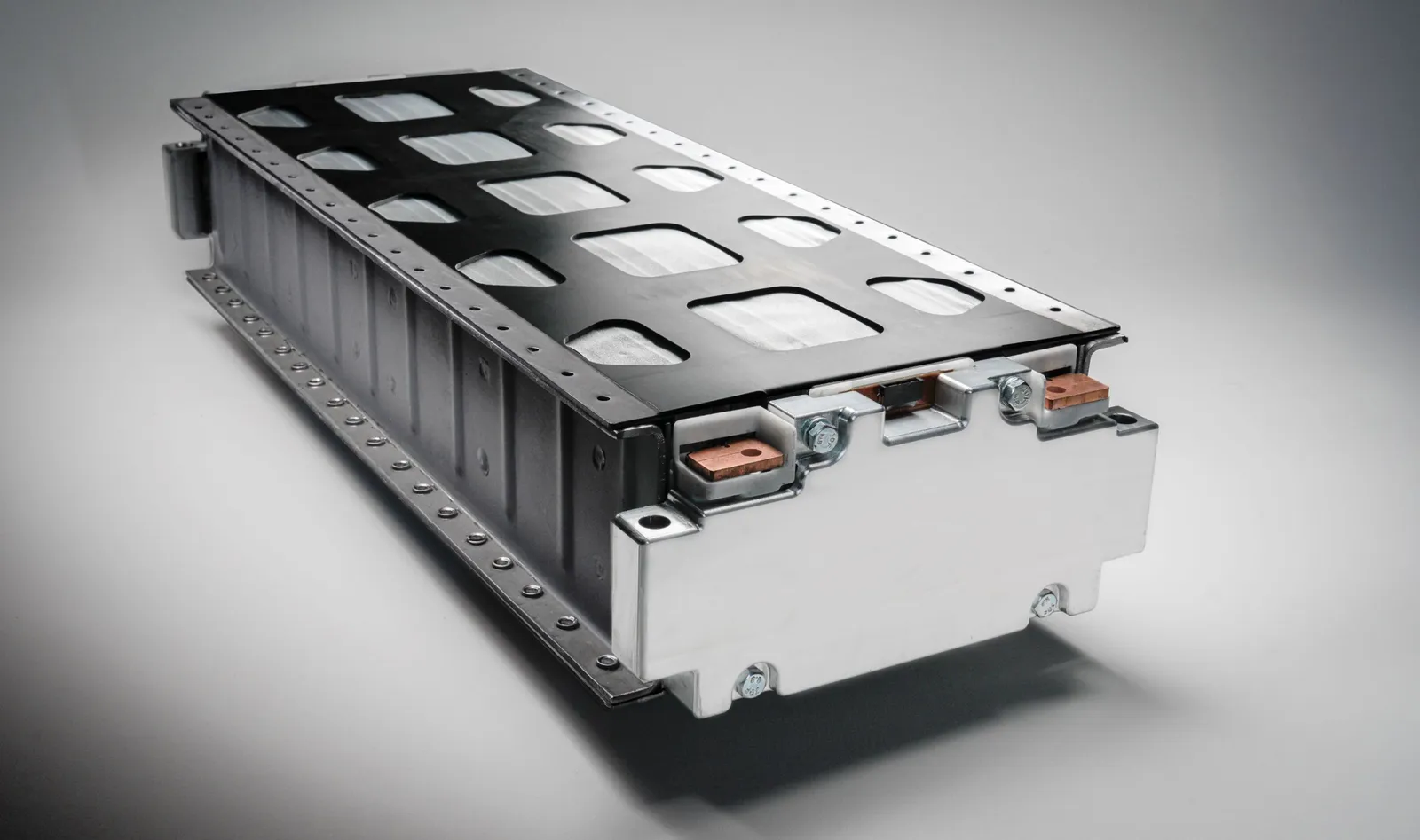
Robin Zeng, CEO and founder of CATL, gave an interview to China’s Caijing Magazine. Contrary to claims by some manufacturers that they are already testing solid electrolyte batteries, Zeng insists that these are still in the laboratory prototype stage, with a long way to go before commercialization. Their main problem is what should be their advantage: the solid electrolyte. It is not easy to force ions to move through solids, and it is the ions that are fundamental to the operation of lithium-ion cells.
Solid Electrolyte and a Clever Idea for Solid-Fluid Batteries
In recent days, Stellantis announced that it has begun testing prototype Factorial cells in an experimental vehicle, stating that these cells have an energy density of 0.375 kWh/kg. Chinese manufacturer Dongfeng reported very similar figures (0.35 kWh/kg) and also plans to start installing solid-state battery packs (all-SSB, ASSB) in the second half of this year. In both cases, the energy densities are impressive, but the manufacturers either do not disclose other data such as degradation rates or charging times, or they provide values that fall short compared to the best LFP cells.
The Factorial solid-state cell module used in Stellantis vehicles. Note the welding of the structure as well as the clamps and screws that likely compress the cells, i.e., keep them under high pressure (c) Stellantis
CATL’s president states almost directly that the use of solid electrolytes, the most important advantage of solid-state cells, is also the biggest technical challenge (source). Lithium ions move freely in the electrolyte but cannot jump. Therefore, the electrodes (naturally: solid) and the electrolyte (innovation: solid) must be heated and compressed using a pressure of 6,000 atmospheres, over 600 MPa (megapascals) during production. This allows the ions to move through the structure first in the electrodes, then in the electrolyte, before finally settling in the target electrode.
For comparison: hydrogen used to fuel fuel cell vehicles is stored at a pressure of 88 MPa. In FCEV vehicles, the nominal pressure is 70 MPa. Reaching such pressures required advancements in material technologies, with carbon fibers and composites being used to manufacture gas tanks.

The experimental vehicle for testing solid-state fuel cells, Factorial (image above) (c) Stellantis
Let’s return to solid-state batteries. The CATL president emphasizes that using high pressures to bond electrodes with the electrolyte causes materials with different compressive strengths to deform in distinct ways. This can result in a non-uniform structure and uneven distribution of components, leading to anomalies that increase internal resistance and accelerate cell degradation, thereby hindering commercialization. The conclusions seem both obvious and surprising: while solid electrolytes may indeed slow down degradation during operation caused by ultra-fast charging, they create problems at an earlier stage: production.
In this context, solid-liquid electrolyte cells seem to be an almost ideal solution, with the liquid phase accounting for up to 5 percent. They do not require very high pressures because there is a liquid between the electrodes and the solid electrolyte that allows ions to move. Downsides? Such cells still contain a liquid electrolyte inside, which is a flammable substance.
Article Rating
Reader Ratings
[Total: 2 votes Average: 5]
Don’t miss new content—CLICK and FOLLOW Elektrowoz.pl on Google News. You might also be interested in the following ads: