
CATL: Breathable cells/Li-air are the main focus of future research. Several times higher energy densities
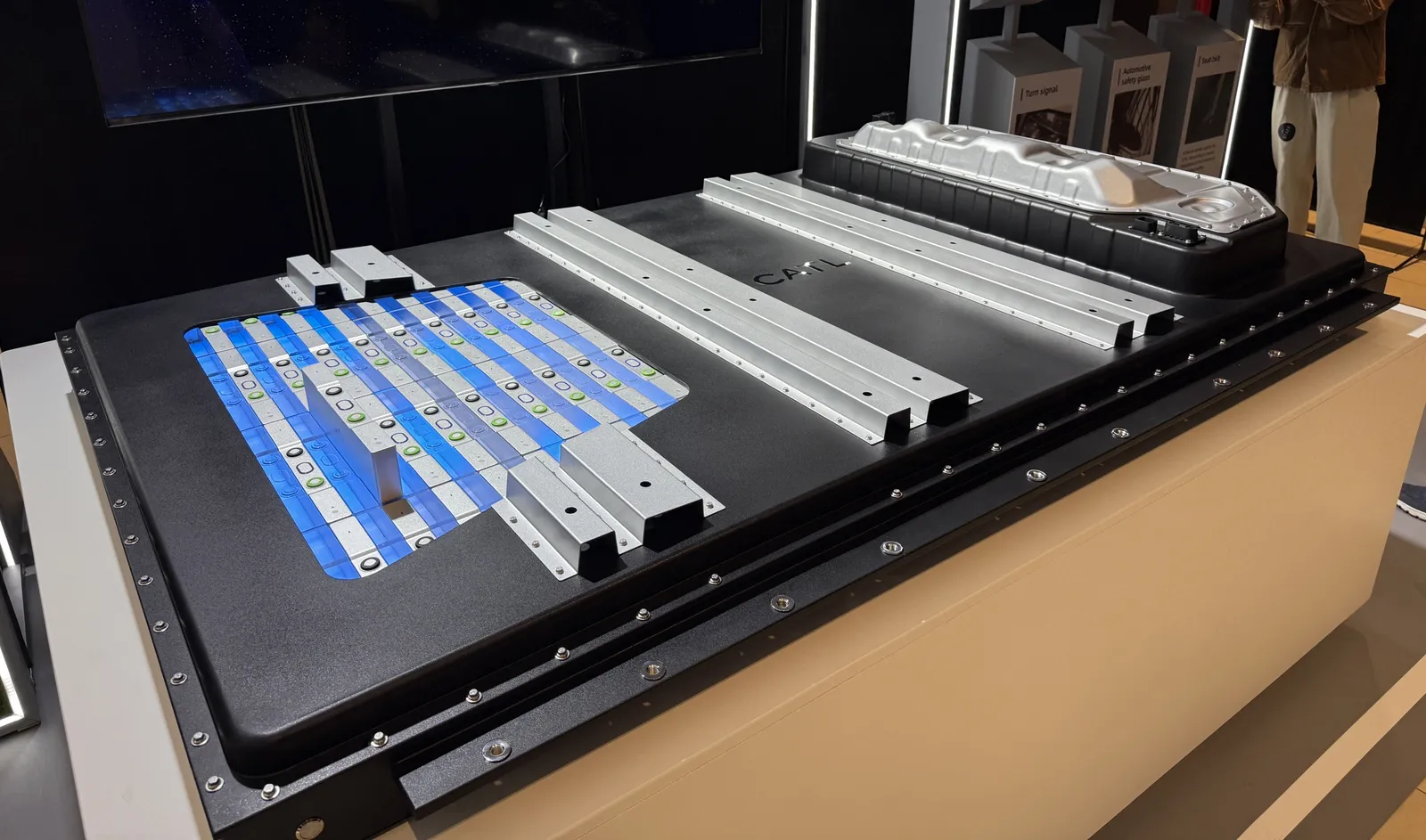
Wu Kai, lead scientist at CATL, the world’s largest lithium-ion battery manufacturer, described lithium-air batteries that literally draw oxygen from the atmosphere as “the company’s key area for future research,” according to Interested Engineering. These are not traditional batteries with solid electrolytes, whose energy density is 1.5 to 2 times higher than that of modern batteries; rather, they are products that can store even four times more energy in the same mass.
Li-air. CATL’s solid-state version: a dream
Table of contents
Li-air. CATL’s solid-state version: a dream
Li-air. An old technology with many unresolved problems
The fourfold higher energy density (1.2 kWh/kg) is not an arbitrary figure but the result of calculations by scientists at America’s Argonne National Lab, who have been testing Li-air cell prototypes for several years. Today’s electric car battery, with a capacity of around 80 kWh and weighing half a ton, could weigh about 150 kilograms using Li-air cells while maintaining the same capacity. It might even reach 250 kilograms, allowing an electric vehicle to achieve a range comparable to that of a competing gasoline model at exactly the same total weight with a better weight distribution (lower to the ground).
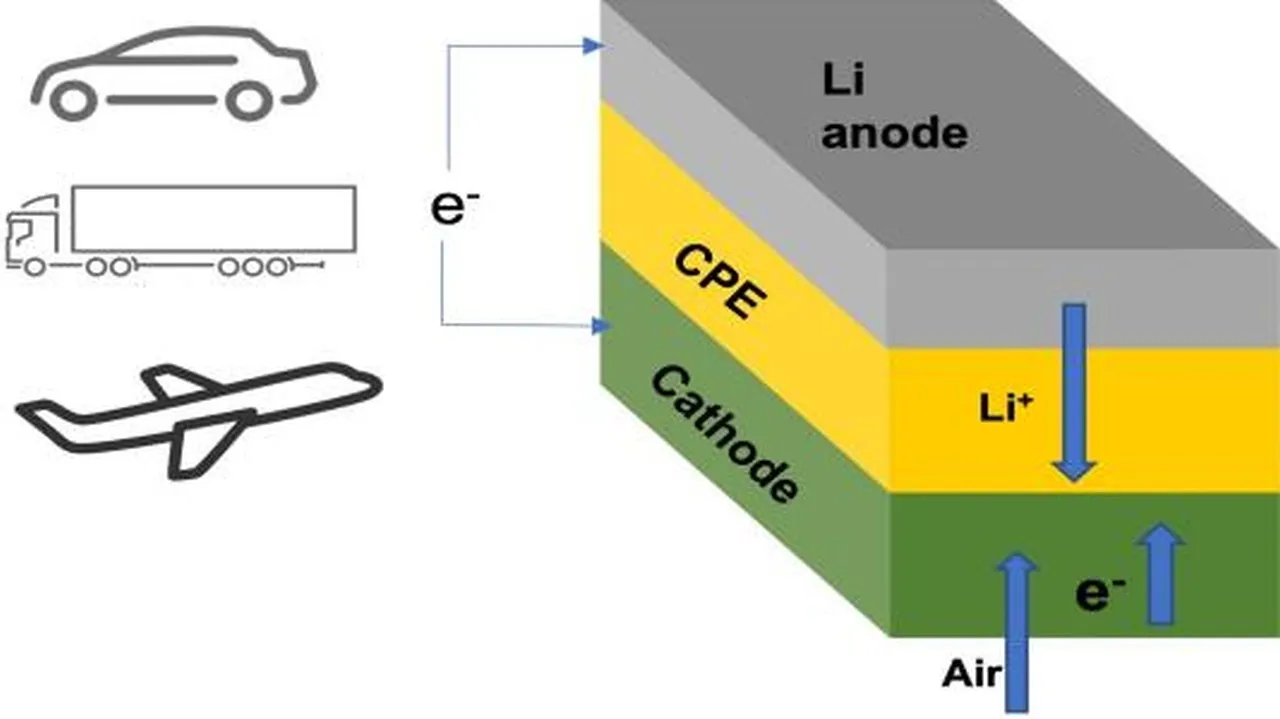
Schematic of the Li-air cell structure (c) ANL
The energy density of gasoline is 12.9 kWh/kg. The theoretical maximum energy density of Li-air batteries is nearly that of pure lithium, at around 11.1 kWh/kg, but in practice it has not been possible to achieve more than about 1/7 of this value (~1.7 kWh/kg; source). The limitation here is lithium itself, which overgrows the battery along the ion pathways (dendrites), causing a short circuit when there is too much of it. This looks poor compared to gasoline, but it should be remembered that in electric vehicles about 80-90 percent of the stored energy reaches the wheels, whereas in internal combustion engines the efficiency is around 25-30 percent (3.2-3.9 kWh/kg).
Li-air. An old technology with many unresolved problems
The biggest problem with Li-air cells is their poor durability. Pure lithium, which forms the anode, reacts with the electrolyte, resulting in the formation of layers of lithium oxide, hydroxide, and carbonate. These initially protect the electrode from further corrosion but eventually block ion flow. Easy access to air—hence the name; oxidation is a requirement for electron flow—means similar compounds can form anywhere in the cell where lithium is present. Using hard coatings to cover the anode is being considered, as this would allow ion flow while preventing reaction with atmospheric elements and simultaneously blocking dendrite growth (compare: solid electrolytes).
CATL Shenxing Pro battery. When using Li-air cells, it will require additional wires to supply air, and if fast charging is needed, a compressor as well.
In the cathode, only a small amount of water is needed for lithium oxide to transform into lithium hydroxide, which corrodes its structure. Therefore, even after decades of research on breathing batteries, we still don’t know whether electrolytes based on water (with an isolated anode), where lithium oxides and hydroxides mix freely, are a better option, or protonic electrolytes, which do not dissolve oxides (and thus do not form hydroxides) but cause clogging in the cathode.
Article Rating
Reader Ratings
[Total: 3 votes Average: 4]
Don’t miss new content—CLICK and FOLLOW Elektrowoz.pl on Google News. You might also be interested in the following ads: